Russia-Ukraine war: How to spot fake news about di conflict in Ukraine

Wia dis foto come from, Getty Images
As di conflict for Ukraine dey progress, fake or misleading videos and fotos of Russian invasion don continue to go viral.
Fighting dey take place across most of di kontri as Russian force try take control of major Ukrainian cities. Di speed wey events take happun lead to sharing of large number of "fake news".
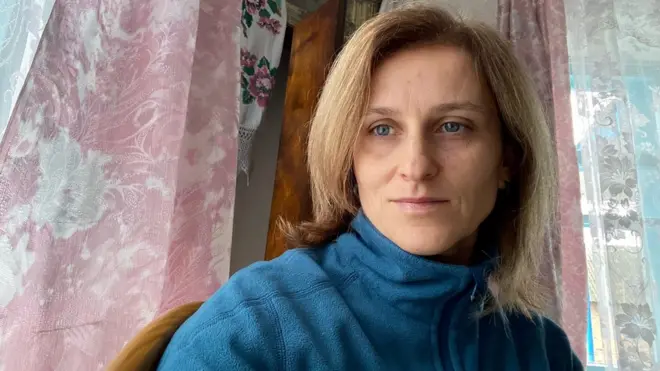
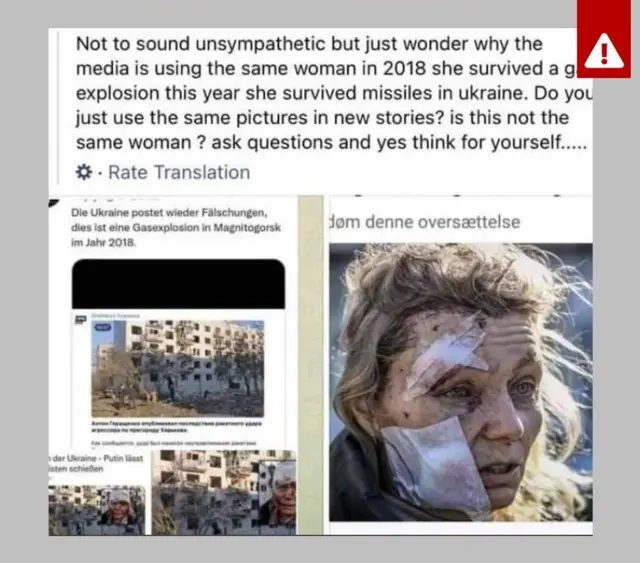
For example, pipo dey present old videos or photos as current ones. Anoda one be say pipo dey claim say di foto wey dey di beginning of dis tori na old one and dem also tok say di woman na actress (but no be so).
Although dem fit look similar but fotos of one gas explosion for Magnitogorsk for 2018 no be di same wit fotos of di destruction of one residential building for Kharkiv last Thursday.
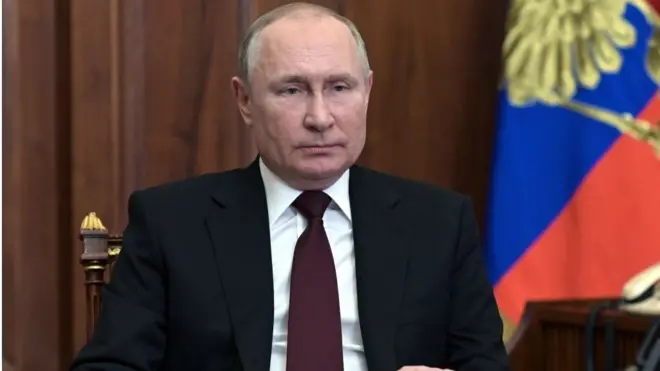
Na accounts wey dey support Russia dey make many of dis false claims.
Two photographer take fotos of di woman and some of di fotos appear for website and front pages of newspapers around di world for weekend.
Di two photographers confirm say dem take di fotos on February 24, 2022. BBC fact-checking team, Reality Check confirm say image metadata show di same date of creation.
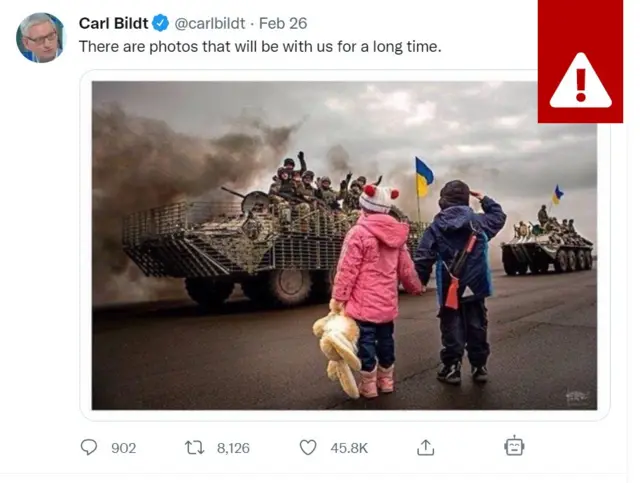
Many oda examples also dey. Anoda significant foto na di one wey show two children as dem dey salute one convoy of Ukrainian forces. E spark millions of reactions as pipo share am widely ontop social media.
US Congressman Adam Adam Kinzinger and former Swedish Prime Minister Carl Bildt dey among pipo wey tweet am.
But di foto don old. Dem first post am for 2016. Na volunteer photographer for di Ukrainian Ministry of Defence take di foto. Dem later fire di photographer onto allegation say e make montages wit some of im war photographs.
Wia dis foto come from, Twitter
But how you go take know if di video or fotos you receive on Facebook, Instagram or WhatsApp about Ukraine dey real or not?
"Dey very careful wit wetin pipo wey you know and family members dey post on di interne, sake of say e fit dey incorrect and misleading, and e dey even happun to pipo wey won try to help," Ms Spring tok. .
How you won take differentiate di true from di false?
Dis na some recommendations:
1. Look di quality of di fotos
Di fotos dey unclear so or blurry so, di video get low quality, and e be like wetin dem take for 2022?
"In dis case, dem fit take di shot few years ago," Spring tok. "A lot of fotos of oda conflicts dey wey dem dey share on di internet as if na now dem take dem."
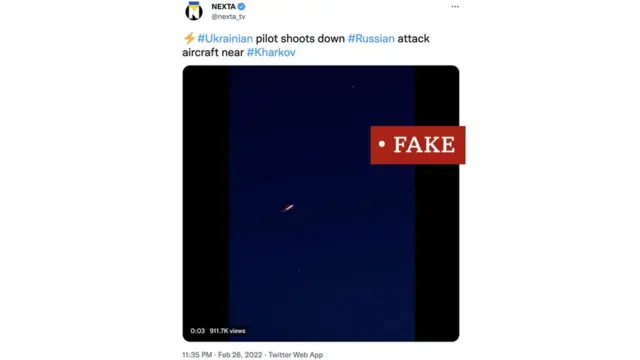
Wia dis foto come from, Twitter
2. You gass pay attention to details
"You gass look for clues inside di video wey go tell you di weather and place where dem take di foto or video; e look like Ukraine? E fit be February (winter for Ukraine) dem take dem?" Spring tok.
"If you think say di time or di place no be di same, chances dey say di foto or video no dey authentic. E no dey useful to share am."
3. You gass take a break
"A lot of videos wey dem dey share dey very traumatic. Some dey real, but no be di case be dat. Di content wey dey generate di most emotions and wey dey make us react na di one wey we dey likely to share," di journalist tok.
Spring also advise say make we pause if we watch content wey no make us feel alight, to make shure say e dey 100% real before we share am.
BBC World don already address di issue of "fake news". Dis na some tips wey you fit apply:
Five tips…
You gass take a minute and tink. No dey believe di news or share di text immediately.
- Di ting cause you a big emotional reaction? Beware. Story wey no dey real dey created to cause great surprise or rejectin.
- Di ting confirm wetin you don already believe? Dis one sef na common technique for making news. Always try to dey suspicious and investigate.
- Di news dey "ask" you to believe am or e dey "show" you why you gass beware? Wen a story dey true, e go mention sources, include links, and mention official documents (i.e. dey transparent).
- To produce report immediately event happun dey take time and e require professionals wey dey trained. You gass beware of news wey just explode as debate dey go on.
In addition, e dey advisable to take interest for media organisation wey dey report di information and di political or economic interest dem fit get.