Sabi pipo no agree say dire wolf don come back from extinction
- Author, Victoria Gill
- Role, Science correspondent, BBC News
- Published
- Read am in 4 mins
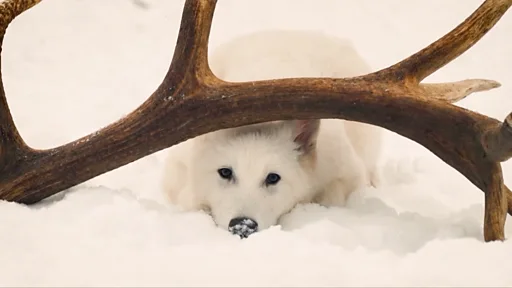
One ogbonge snow white wolf bin dey on top di cover of Time Magazine today togeda wit headline wey announce say di dire wolf don come back.
Di dire wolf wey now dey extinct get serious popularity afta e show for di Game of Thrones. But na real animal wey bin exist ova 10,000 years ago and dey waka across di Americas.
One company wey dem dey call Colossal Bioscience na dem cause di headlines as dem say dem use "deft genetic engineering and olden days DNS" take breed three dire wolves to take "de-extinct" di species.
But even though di young wolves wey dem name Romulus, Remus and Khaleesi na proof of ogbonge technological breakthrough, independent sabi pipo tok say no be dire wolves dem be.
Zoologist Philip Seddon from di University of Otago for New Zealand explain say di animals na "genetically modified grey wolves".
Colossal Bioscience publicise dia efforts to use similar cutting edge genetic techniques to bring back extinct animals wey include di woolly mammoth and di Tasmanian tiger.
But sabi pipo don torchlight important biological differences between di wolf for di cover of di Time and di dire wolf wey bin roam and hunt during di last ice age.

Wia dis foto come from, Colossal Biosciences
Paleogeneticist Dr Nic Rawlence, wey also be from Otago University, explain how di ancient dire wolf DNA wey dem comot from fossil remains bin dey too degraded and damaged to biologically copy or clone.



End of Di one wey oda users dey read well well
Dr Rawlence tell BBC News say, "Ancient DNA be like if you put fresh DNA for inside 500 degree oven overnight. E go comot fragmented like shards and dust. You fit reconstruct am but e no go dey good enough to do any oda tin wit."
E add say instead di de-extinction team use new synthetic biology technology wey snip pieces of DNA and insert dem to genetic code of living animal wey still get dia full biological blueprint in tact, in dis case dem use grey wolf.
Dr Rawlence say, "so wetin Colossal don produce na grey wolf, but e get some dire wolf-like characteristics like bigger skull and white fur. Na hybrid."
Dr Beth Shapiro, wey be biologist from Colossal Biosciences say dis work represent de-extinction wey she tok say recreate animals wit di same characteristics.
"Grey wolf na di closest living relative of dire wolf, genetically dem dey veri similar, so we target DNA sequences wey lead to dire wolf traits and den edit grey wolf cells... den we clone dose cells and create our dire wolves."
According to Dr Rawlence, dire wolves comot from grey wolves anywia between 2.5 to six million years ago.
E tok say, "Na completely different genus to grey wolves. Colossal compare di genomes of di dire wolf and di grey wolf and from about 19,000 genes, dem determine say di 20 changes for 14 genes give dem dire wolf."
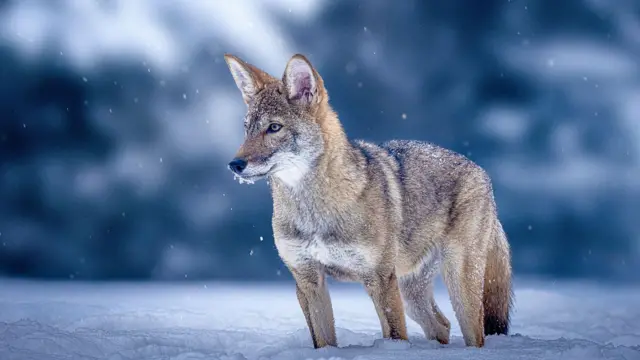
Wia dis foto come from, Colossal Biosciences
Di edited embryos bin dey implanted inside surrogate domestic dog mamas.
According to di article for di Time, dem born all three wolves wit planned C-section to fit minimise risk of complication.
Colossal Biosciences wey bin dey valued at $10bn for January dey keep di wolves for private 2,000-acre facility for one undisclosed location for northern US.
Di pups look like many pipo vision of a dire wolf and di story don gada global attention. So why dis scientific distinction dey important?
Dr Rawlence tell BBC News say "na bicos extinction still be forever. If we no get extinction how we go take learn from our mistakes?
"Shey di message be say we fit destroy di environment and say animals fit go extinct, but we fit bring dem back?"