'Why I ask my husband for open marriage afta ten years'
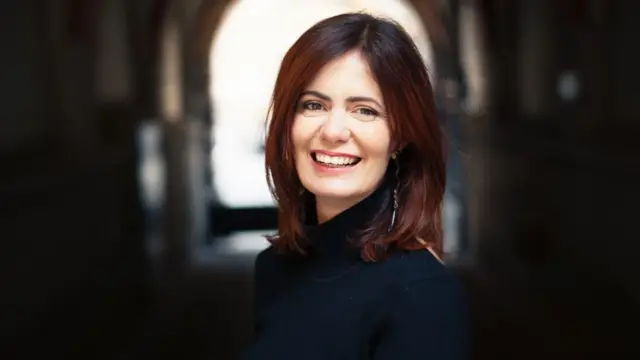
Wia dis foto come from, Ilana Eleá - Personal Archive
- Author, Marina Rossi
- Role, BBC News Brasil
- Reporting from, São Paulo
- Read am in 5 mins
On dia tenth wedding anniversary, Dr Ilana Eleá wey be writer, educator and sexologist, raise one proposal wit her husband wey go change dia marriage fundamentally: to leave monogamy behind and open up di relationship.
Eleá wey be Brazilian graduate in sex therapy from di Contemporary Institute of Clinical Sexology, don live for Sweden since 2011.
She bin don dey study open relationships for some time wen she dey write Emma e o Sexo (Emma and Sex), di first book in a series of erotic fiction. Through di title character Emma, Eleá bin explore di ideas wey she bin don dey research.
Her husband bin accept di proposal and dem celebrate am by toasting wit champagne. Five years on, di couple now describe dia relationship as "mixed" and dia new arrangement as largely successful.
But Eleá no dey romanticise am.
"A third of relationships wey open up later end," she tok. "But dat na also di average for monogamous relationships. In oda words, e no really mata. So di best tin na to choose di format wey you identify wit most."
Consensual non-monogamy
Wia dis foto come from, Erdark via Getty Images
Eleá subscribe to di concept of consensual non-monogamy - wey be umbrella term wey refer to pipo wey get a range of relational or sexual partners. E dey different wit im "explicit openness" for evri one wey dey involved.
For dis reason, experts dey sometimes refer to am as "ethical or responsible non-monogamy" wey different from infidelity.
Eleá say dis concept na any type of relationship wey be say pipo wey dey involved agree and wia di relationship no dey exclusive.
However, she differentiate open relationship from polyamory.
"Open relationship dey usually allow sexual freedom witout romance - casual encounters, no be to fall in love. Polyamory dey embrace love and passion, including wetin dem dey call new relationship energy: di excitement of falling in love again."
Eleá hersef dey practice wetin she call "mixed, sensual, loving, empathetic agreement".
"I get one leg inside polyamory," she tok. "Not fully, but wit di idea say e dey possible to love and get romantic relationships wit more dan one pesin. My husband prefer casual encounters. We dey tok about am."
Tink about your relationship
Wia dis foto come from, Getty Images
For Eleá experience, di most common starting point for couples wey open up dia relationship na di so-called "no-ask-no tell" approach.
"Somtin like, 'I tink exclusivity fit no dey possible or desirable between us. But I no wan know. No tell me, and I no go ask," Eleá explain.
She warn say dis dey always fails becos e lack honesty and communication. "Wetin suppose bring pipo closer dey end up creating distance," she warn.
Bifor you tok to partner about di possibility of opening up a relationship, Eleá recommend "emotional inventory".
"Tink about your relationship. Wetin dey miss? Wetin be your desires and limits? Write down your fantasies honestly. No one fit see am yet - na just you," she tok.
To open a relationship also require dialogue and empathy.
"Na difficult moment . . . especially for dose wey grow up socialised wit di idea say monogamy na di noblest way to love and say e symbolise respect and loyalty between pipo wey love each oda," Eleá tok.
"To make agreements na through conversation: How far you go go? Wit who? And e dey important not to ridicule limits, but to understand dem," she tok.
She say support network also dey important. "Go read about di topic, listen to podcasts. Look for groups based on your interests," Dr Eleá note.
"Stigma dey real. Seek guidance from professionals wey understand say dis na valid ways to experience love," she advise.
Eleá add say to open a relationship to fix wetin dey broken no dey too work.
"Forget am," she tok. "No be therapy or last resort. Openness dey usually happun consciously and organically wen di relationship good, and both wan improve am togeda."
Hate and hope
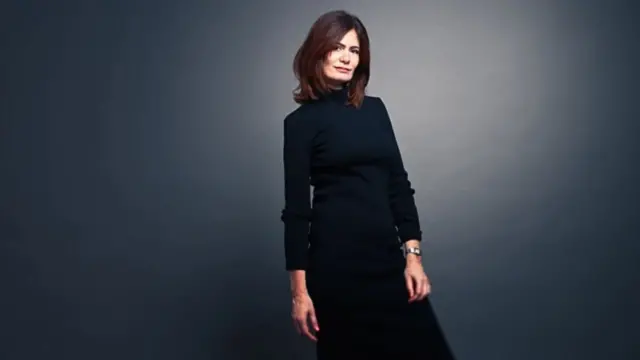
Wia dis foto come from, Erik Thor/Personal archive
Wen Eleá first speak publicly about di change for her marriage, she bin receive thousands of hateful comments.
"Some bin dey absurd: 'You dey do am becos you no wan lose your man," she remember one of di comments.
But she also receive support, including letters from couples wey bin feel empowered to explore dis conversations.
"Dem no born anybody monogamous," Eleá tok. "No one ask if na wetin you wan be. Laws, beliefs, fairy tales, family expectations - evritin dey point to love being exclusive between two pipo. Historically, men bin get freedom while women bin dey punished," she explain.
She say dis system dey tied to inheritance, religion and lineage.
"Compulsory monogamy assume say monogamy dey good, clean, virtuous and e dey stigmatise anyone wey deviate."
Wia dis foto come from, Getty Images
So shey Eleá dey happier now? "Witout a doubt," she tok.
"But e also dey about who I be today. Fifteen years ago, afta trauma and betrayal, I for neva dey ready. Exclusivity once make me feel secure. Ova time, desire bin fade. E dey common, 40% of long-term relationships become sexless marriages."
For her, opening up na about honesty and freedom.
"Why love suppose end just becos pipo tink na only one way dey to love?" she ask.