Ramadan: Wetin dey happun to your body wen you fast?
Wia dis foto come from, Getty Images
Each year millions of Muslims dey fast from sunrise to sunset for 30 days as part of Ramadan.
For recent years, Ramadan don come during di summer months for di northern hemisphere.
Dis year e dey come for springtime, wit di new moon on 11 or 12 March.
Dis mean say for some kontris, di days dey shorter and di dawn-to-dusk fast dey last anywhia from 12 to 17 hours, depending on wia in di world you dey.
Dis fit dey good for your health? Hia na wetin dey happun to your bodi wen you fast for 30 days.

Wia dis foto come from, Getty Images
Di hardest part - di first couple of days
Technically your bodi no dey enter into one "fasting state" until eight hours or so afta your last food.
Dis na around di time your gut dey finish to soak di nutrients from food.
Soon afta dis time, our body go turn to di stored glucose wey dey di liver and muscles to provide energy.
Later in di fast, once di stores of glucose run out, fat become di next source of energy for di bodi.

Wia dis foto come from, Getty Images
Wen di bodi begin burn fat, dis dey help weight loss, reduce cholesterol levels and lower di risk of diabetes.
However, di drop for blood sugar level go cause weakness and dullness.
You fit experience headaches, dizziness, nausea and bad breath.
Dis na wen your hunger levels dey for dia most great.
Careful wit dehydration - Days 3-7
As your bodi don begin to dey used to di fast, fats dey break down and convert to blood sugar.
Your intake of fluid wey don reduce during fasting fit dey replenished between fasts, otherwise sweat fit lead to dehydration.

Wia dis foto come from, Getty Images
Your food dem suppose contain right level of 'energy food', like carbohydrates and some fat.
E dey important to get balanced diet of nutrients, including some protein, salts and water.
You don dey get used to am now - Days 8-15
By di third stage, you suppose see improvements in mood as your bodi don fully adjusts to fasting.
Dr Razeen Mahroof, Consultant for Anaesthesia and Intensive Care Medicine for Addenbrooke Hospital for Cambridge, say oda advantages dey too.

Wia dis foto come from, Getty Images
"For normal daily life we sometimes dey eat too many calories, and dis fit no allow di bodi perform oda tasks, like repair imself."
"Dis dey corrected during tdi fast, allow di bod to divert attention to oda functions.
So, fasting fit benefit di body as e go help heal and also prevent and fight infections."
Detoxing - Days 16 to 30
During di last half of Ramadan, your body go don completely dey used to di fasting process.
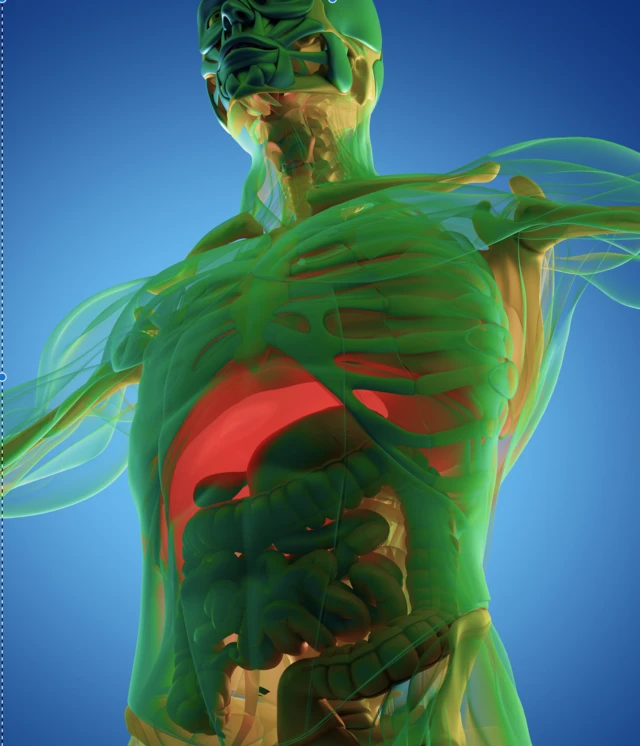
Your colon, liver, kidney and skin go dey go through period of detoxification by now.

Wia dis foto come from, Dr Razeen Mahroof
"In health, for dis stage, di organ function suppose don dey return to maximum capacity. Your memory and concentration fit improve and you fit get more energy," Dr Mahroof tok.
"Your bodi no suppose turn to protein for energy. Dis na wen e go into 'starvation' mode and use muscle for energy. Dis dey occur wit one prolonged continuous fast of many days to weeks."
"As di Ramadan fast only dey take place from dawn to dusk, enough opportunity dey to refill ourselves wit energy-provide foods and fluids. Dis dey preserve di muscles but also help wit weight loss."
So, fasting good for our health?
Dr Mahroof say yes, but wit one condition.
"Fasting dey good for our health sake of say e dey help us to focus on wetin and wen we eat. However, one period of fasting for one month fit dey fine, e no dey advisable to fast continuously."

Wia dis foto come from, Getty Images
"Continuous fasting no be good means for long-term weight loss sake of say eventually your bodi go stop to convert fat to energy, and instead turn to muscle.
Dis no dey healthy and e mean say your bodi dey go into 'starvation mode'."
E suggest say for (outside of Ramadan) episodic fasting - or di 5:2 diet (fasting for some days in one week in between days wey you eat healthy), go be healthier alternative dan to kontinu to fast for many months one time.
"Ramadan fasting, wey dem perform correctly, suppose allow you replenish your energy supplies each day, wey fit mean say you lose weight without say your bodi burn valuable muscle tissue."