How jihadists use fuel blockade bring Mali to standstill
Wia dis foto come from, AFP/Getty
- Author, Chris Ewokor
- Role, BBC Africa's West Africa correspondent
- Published
- Read am in 6 mins
For Bamako, Mali capital city, di normal sound of car engine and horn don turn to sound of pipo wey dey waka for road.
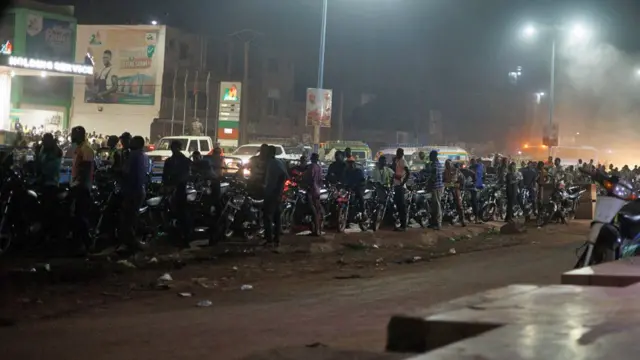
Residents dey push dia motorbike wey fuel don finish for inside through di dusty road, dem dey vex becos di fuel blockade don paralyze Mali for more dan two months.
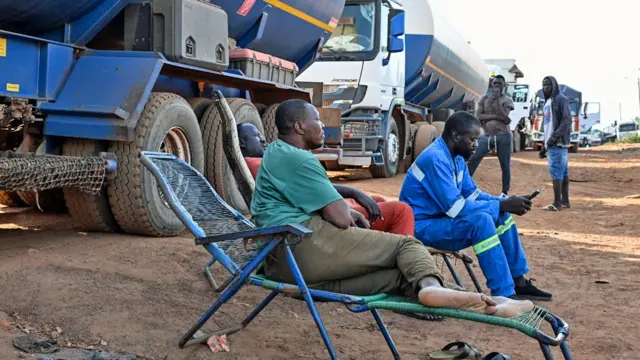
Di jihadist group Jama'at Nusrat al-Islam wal-Muslimin (JNIM), wey dey linked wit al-Qaeda, dey attack fuel tankers wey dey bring petrol enter Mali. Dem don kidnap drivers and burn more dan 100 trucks wey dey come Bamako.
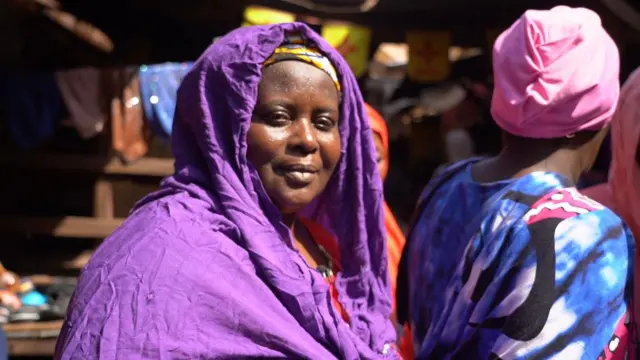
Life don hard for plenty Mali pipo, school and university don close, food price don rise, and hospital dey struggle wit light wahala.
Di fuel shortage don even make foreign kontris worry. US don tell Americans make dem no travel go Mali, and France don advise im citizens make dem comot from di kontri quick.
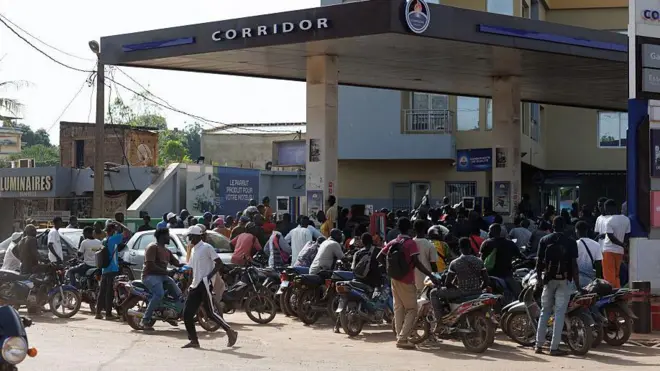
One picture wey show how serious di mata be na di long fuel queue wey dey outside almost every petrol station.
"We dey here dey wait for fuel, and we don dey here for more dan four days now," na wetin Sidi Djiré, one taxi driver wey dey wait for petrol station for Bamako, tell BBC.
Mr Djiré tok say e dey hope say Mali military govment go solve di wahala quick, bicos "whether you be trader or teacher, everybody work don suffer."
For some petrol station inside Bamako, motorists dey meet one small paper wey get just three frustrating words "no fuel today."
Plenty delivery and bus drivers don begin sleep for filling station, just to be among di first pipo to buy fuel wen e finally land.
As transport fare don triple for some part of Bamako, some passengers don abandon bus completely, dem dey trek long distance go work.
For Baco Djicoroni market, one customer, Assitan Diarra, tok say food price don triple.
"Life hard well well now. But wetin we fit do? We dey war. We dey pray make God bring peace and relief for our kontri," Ms Diarra tok.
Traders tell BBC say price don rise bicos transport cost don increase and imported goods don reduce.
"Di goods wey we dey get before easily no dey easy again bicos transport no dey for pipo wey dey sell food, fuel shortage don make am hard to get supply" na wetin Amadou Traoré tok.
Wetin dey hapun for Mali fuel wahala no be ordinary, e look like well-planned move.
Wen di military junta take power five years ago, plenty pipo support dem bicos dem promise to solve di security crisis wey start from northern rebellion before Islamist militants like JNIM take over.
But instead of peace, di Islamist wahala don worse, especially for di north and east, wey don turn areas wey govment no fit control again.
Over di past year, JNIM don increase attacks, and di fuel blockade now show say dem don change strategy from small ambush to economic warfare.
Mali no get sea na landlocked kontri, so dem dey depend on fuel wey dey come from Senegal and Ivory Coast. Now wey jihadists don block di roads, transport, light, and logistics don nearly stop.
Hospitals dey suffer sake of diesel no dey to power generator, and e don begin affect emergency services.
For Kalaban Coro Health Centre, Dr Issa Guido tell BBC say, "our workers suppose report to duty early, but now, e hard for dem to even get fuel to come work."
Teachers and students too no fit travel, and dat one make schools and universities close for two weeks. Even wen dem reopen, some rural teachers still no fit show up.
Di kasala don affect millions of pipo for Mali, and pipo don start to dey ask questions.
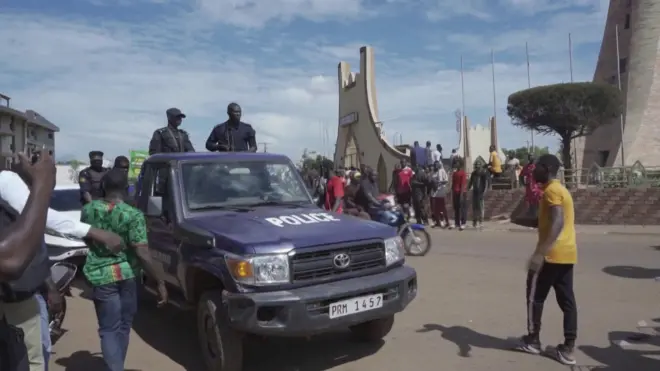
To reduce di tension, govment don send army trucks to escort fuel tankers from border to Bamako, but some convoys still come under attack.
Reports say Mali govment don also sign emergency fuel deal wit Russia, to import refined fuel and get technical help to protect transport routes.
Even though officials dey talk say evritin dey under control, critics still accuse di junta say dem no dey plan ahead, dem just dey react to every new crisis.
Wia dis foto come from, AFP/Getty Images
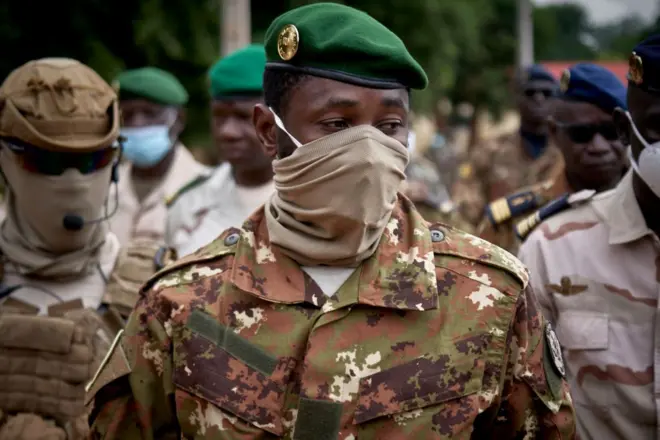
Di fuel shortage don turn double wahala for Mali govment wey Colonel Assimi Goïta dey lead.
One side of di mata be say di regime fit use am show say dem be victim of jihadism, to gada national support and justify tighter security control.
But di oda side be say, di fuel blockade don expose how weak di govment don become outside Bamako, and e don make pipo begin lose confidence for di same junta wey promise to end jihadist wahala.
Di fuel shortage don also make Mali depend more on Russia.
Since French and UN soldiers comot, Russian mercenary groups don dey support Col Goïta govment, and now, di situation fit push Mali deeper inside Moscow influence, wey fit make Western kontris withdraw aid and investment.
Relations wit di US and European Union no dey strong, while France relationship don nearly cut finish.
But for ordinary Mali pipo, all dis geopolitics no mean anytin wen food don cost and pipo no fit even go work.
Amidou Diallo, one welder wey dey waka up and down to find fuel for im generator, tell BBC say di situation fit lead to more crime and bad security.
"We dey face crisis," e tok. "If e continue like dis, oda problems fit rise and dat one fit give pipo dangerous ideas."