'We tink say na ball' - di bombs wey kill and damage innocent children
Wia dis foto come from, Ronny Sen for the BBC
- Author, Soutik Biswas, Nupur Sonar & Tanushree Pandey
- Role, BBC World Service
- Reporting from, West Bengal
- Published
- Read am in 10 mins
BBC World Service don find say for di last thirty years, at least 565 pikin for West Bengal state for India don suffer injury, lose leg or hand, blind, or even die sake of home-made bomb.
But wetin be dis deadly bomb and how e take relate to political violence for West Bengal? And why plenty Bengali pikin dey suffer for di matter?
For one bright summer morning for May 1996, six boys from one slum for Kolkata, di capital of West Bengal state, waka comot go play cricket for one small field.
Di shanty-town wey dey inside Jodhpur Park – one middle-class neighbourhood – dey full of life dat day. Na public holiday – election voting day.
Nine-year-old Puchu Sardar, one of di boys, carry cricket bat waka pass im papa wey dey sleep. Bifor long, di sound of bat and ball don dey echo for di alley.
As one ball fly commot for di boundary of dia makeshift pitch, di boys go search for am inside one small garden nearby. Na dia dem see one black nylon bag wey get six round objects inside.
Di tin look like cricket ball wey person forget, so dem carry am go back to play dia game.
One of di "ball" for di bag na im dem use bowl give Puchu. As Puchu strike am wit im bat, one heavy explosion scatter di whole place – na bomb e be.



End of Di one wey oda users dey read well well
As di smoke clear and neighbours rush come outside, dem see Puchu and im five friends dey ground, dia body don black, clothes don burn, and body don scatter.
Scream dey everywia.
Seven-year-old Raju Das, wey no get mama and papa but him aunty dey raise am, and seven-year-old Gopal Biswas, die sake of di wound. Four oda boys bin wound.
Puchu nearly die, but e survive wit heavy burn and shrapnel wound for im chest, face and belle.
E spend more dan one month for hospital. But wen e come back house, im family no get money pay for hospital again. So Puchu use kitchen tong dey comot di shrapnel wey still dey im body.
Puchu and hin friends dey part of one long, sad list of pikin dem wey wicked bomb don kill or wunjure.
Dem dey use dis kain bomb for West Bengal for many years as dem dey fight for power inside di state violent politics.
No public record dey to show how many pikin crude bomb don wound or kill for West Bengal.
So BBC check all di edition of two popular state newspapers – Anandabazar Patrika and Bartaman Patrika – from 1996 reach 2024, dey look for reports of pikin wey crude bomb don injure or kill.
We find say at least 565 pikin don suffer – 94 die and 471 wound – as of 10 November. Dis one mean say, on average, crude bomb dey wound or kill one pikin every 18 days.
But BBC still find some cases wia pikin wound sake of crude bomb but di newspapers no report am. So di real number fit dey higher.
More dan 60% of di incidents happun wia pikin dey play for outside – gardens, streets, farms, even near schools – places wia dem dey hide bomb, especially during election time, to scare dia opponents.
Most of di victims wey BBC tok to come from poor families – di pikin of house-help, pipo wey dey do small-small work, or farm workers.
Di revolutionary history of bombs for west Bengal
West Bengal, di fourth-largest state for India wey get population wey pass 100 million, don dey struggle wit political violence for long.
Since India get independence for 1947, different rulers don dey control di state – Congress party rule for 20 years, di Communist-led Left Front take over for 30 years, and di current Trinamool Congress don dey in charge since 2011.
For di late 1960s, armed fight burst between Maoist rebels – dem wey dem dey call Naxalites – and goment forces.
One common tin wey dey connect all di goments and rebel wahala since dat time na di use of bomb as tool to intimidate political opponents, especially during election period.
"Bombs don dey [used to settle scores]. Dis kain tin don dey happun for Bengal for long, more dan 100 years," na wetin Pankaj Dutta, former Inspector General of West Bengal police, tell us.
Wia dis foto come from, Ronny Sen for the BBC
Di history of bomb-making for Bengal get root for di rebellion against British rule for early 1900s. Di first efforts no too strong and accidents dey happun well-well: one rebel lose im hand, anoda one even die while e dey test bomb.
Later, one rebel come back from France wit better bomb-making skills.
Im own bomb – a book bomb, wey dem load wit explosives hide inside Cadbury cocoa tin – to kill im target, one British magistrate, if di man bin open am.
Di first explosion happun for Midnapore district for 1907, wen revolutionaries plant bomb for train track wey carry one senior British official, and di train derail.
Some months later, one attempt to kill magistrate for Muzaffarpur wey fail – dem throw bomb inside one horse-drawn carriage – kill two English women.
One newspaper describe di event as "one big explosion wey shock di whole town." Dat act turn one teenage rebel, Khudiram Bose, into martyr and di first "freedom fighter" for di group of Indian revolutionaries.
Bal Gangadhar Tilak, one nationalist leader, write for 1908 say bombs no just be weapons but na "magical belief," one kain "witchcraft" wey dey spread from Bengal to oda parts of India.
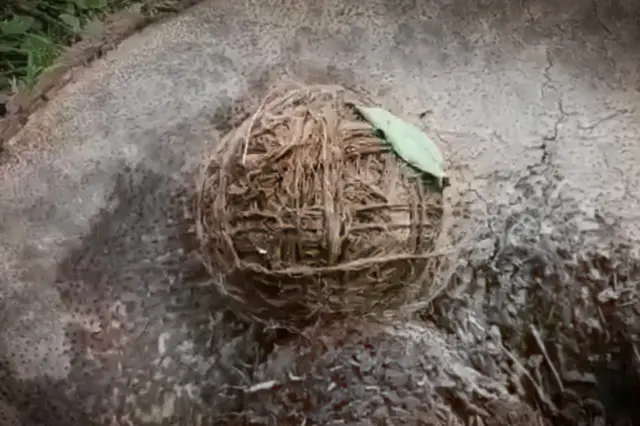
Today, di crude bombs for Bengal na wetin dem dey call peto. Dem dey tie di bomb wit jute strings, stuff am wit shrapnel-like nails, nuts, and glass.
Some versions dey wey dem dey pack explosives inside steel containers or glass bottles.
Dem dey mainly use am for violent clash between rival political parties. Political activists, especially for rural areas, dey use dis bombs to intimidate opponents, scatter voting stations, or take revenge on pipo wey dem feel offend dem.
E dey common during elections to spoil polling booths or show control over certain areas.
Wia dis foto come from, Ronny Sen for the BBC
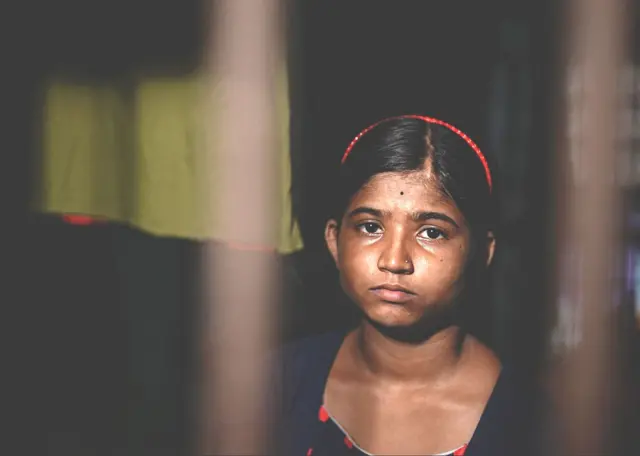
Pikin like Poulami Halder dey suffer di most from dis kind violence.
For one April morning for 2018, Poulami, wey be seven years old dat time, dey pick flowers for morning prayers for Gopalpur – one village for North 24 Parganas district wey get plenty ponds, paddy fields, and coconut trees. Village council elections dey come for about one month time.
Poulami see one ball wey dey near her neighbour water pump.
"I pick am and carry go house," she tok.
As she waka enter house, her grandpa wey dey sip tea freeze wen e see wetin dey her hand.
"E tok say, 'No be ball o – na bomb! Troway am!' Bifor I fit do anytin, di bomb explode for my hand."
Di blast scatter di quiet wey dey di village. Poulami chop di blast for her eyes, face, and hands, bifor she faint as evriwia burst into confusion.
"I remember say pipo dey run come meet me, but I no dey see well. Dem hit me evriwia," she tok.
Villagers rush carry her go hospital.
Her injury bad well-well – dem cut her left hand, and she spend almost one month for hospital.
Wetin suppose be ordinary morning work turn into nightmare, change Poulami life forever for just one terrible moment.
Wia dis foto come from, Ronny Sen for the BBC
Poulami no dey alone.
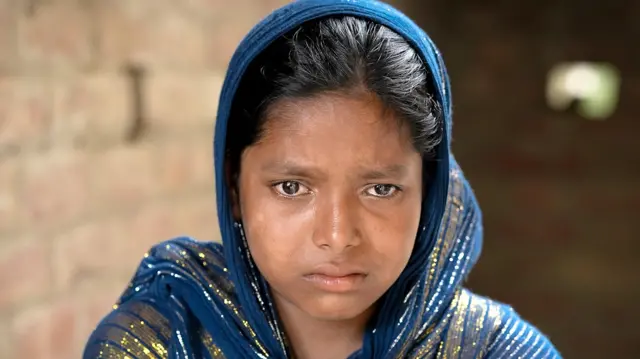
Sabina Khatun na just 10 years old wen crude bomb explode for her hand for April 2020 for Jitpur, one village wey rice and jute fields dey surround for Murshidabad district.
She bin dey go feed her goat wen she see di bomb wey dey lie for grass. Out of curiosity, she pick am up and begin play wit am.
Small time, di bomb explode for her hand.
"As I hear di explosion, na only one tin I think – who dem go disable dis time? Sabina don lose her hand?," her mama, Ameena Bibi, tok wit voice full of pain.
"Wen I come outside, I see pipo dey carry Sabina for dia hand. Her flesh dey show from her hand."
Doctors no get choice, dem cut Sabina hand.
Since she return house, she dey struggle to build her life again, while her papa and mama dey full of worry becos dem no know wetin her future go be like.
And di fear no be small: for India, women wey get disability dey face social stigma wey dey make marriage and job matter harder for dem.
"My pikin dey cry dey tok say she no go ever get her hand back," Ameena talk.
"I just dey console am dey tell am, 'your hand go grow back, your fingers go grow back.'"
Now, Sabina dey fight di loss of her hand and di wahala of daily life.
"I dey struggle to drink water, eat, baff, wear cloth, and even go toilet," she tok.
Injured by bombs but lucky to survive, di lives of dis children don change forever.
Poulami, wey be 13 years now, get artificial hand but she no fit use am – e too heavy, and she quickly outgrow am. Sabina, wey don reach 14, dey struggle wit her eyesight wey dey fail.
Her family tok say she need anoda operation to comot bomb debris from her eyes, but dem no get di money.
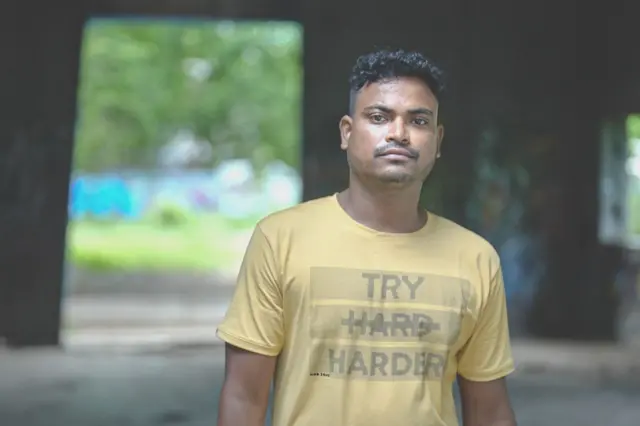
Puchu, wey be 37 years now, bin drop out of school becos im parents dey fear. For years, e no gree comot go anywia, and anytime e hear small noise, e go run hide under bed.
E no ever touch cricket bat again. Im childhood wey bomb steal from am, don leave am to dey struggle wit small construction jobs, and di scars of di past still dey hin body.
But hope still dey.
Poulami and Sabina don learn how to ride bicycle wit one hand, and dem still dey go school. Both of dem dey dream to become teachers.
Puchu dey hope say better future go dey for im five-year-old son, Rudra – a future wey Rudra go wear uniform as policeman.
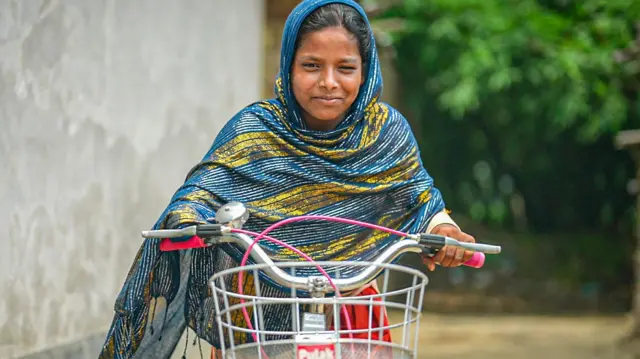
Wia dis foto come from, Ronny Sen for the BBC
Even wit di terrible damage wey raw bomb dey cause, e no show say di violence for West Bengal go end anytime soon.
None of di political parties gree admit say dem dey use bombs for political gain.
Wen BBC ask di four main political parties for West Bengal whether dem dey involved – directly or indirectly – for making or using crude bombs, di ruling Trinamool Congress (TMC) and di opposition Bharatiya Janata Party (BJP) no respond.
Di Communist Party of India (Marxist) (CPI-M) deny di claim strong, say dem dey "committed to upholding di rule of law... and wen e reach to protect rights and lives, children matter pass anytin."
Di Indian National Congress (INC) too deny say dem dey use bombs for election gain, tok say dem "neva involve in violence for political or personal gain."
But even though no party wan accept responsibility, di experts wey tok to BBC no get doubt say di root of dis violence dey inside Bengal political culture.
"Anytime wey big election dey come for hia, you go see how pipo dey use bombs anyhow," Pankaj Dutta tell us.
"Di extreme abuse of childhood dey happun. Na di society no dey care for children well." Oga Dutta die for November.
Poulami add her voice: "Di pipo wey put di bombs still dey waka free. Nobodi suppose leave bomb dey lie around. No pikin suppose suffer dis kind tin again."
'See wetin dem do to my pikin'
But the wahala no end.
For May dis year, for Hooghly district, three pikin dem dey play near one pond wen dem mistakenly find bomb dem wey dey hidden.
Di bomb blast kill Raj Biswas, wey just be nine years old, and im friend no get one hand again. Di other pikin self break him leg.
"See wetin dem do my pikin," Raj papa begin dey cry as e touch im pikin forehead.
As dem lower Raj body inside grave, political slogans begin shout from one election rally wey dey near: "Hail Bengal!" Di crowd shout, "Hail Bengal!"
Na election time be di day. And once again, na pikin dem go pay di price.