Wetin science tok about di impact of to be only child

Wia dis foto come from, Getty Images
Selfish, boss, socially awkward, in fact na spoilt children dem dey call dem.
But plenti studies show say no be only child alone get dis bad behaviour and in fact e dey di bodi of pikin wey get broda and sister dem.
Alice Goisis wey be associate professor of demography for di Centre for Longitudinal Studies, University College London tell BBC Mundo say no evidence dey wey support di notion say only child dey get social deficit wen you compare dem to pikin wey get siblings.
Study wey Goisis follow her colleagues do show say oda major factors dey affect di development of pikin like di socioeconomic situation of di family and di kain emotional resources wey di family get.
While sone research fit show difference, Goisis say di reason for di difference fit be becos of context and no be becos di pikin na single child like dat.
"For instance, we find out say for di United Kingdom, wia to be only child mean say your family hold at least well enough, dis pikin dey get equal or beta health later in life wen you compare dem to pikin wey get sibling."
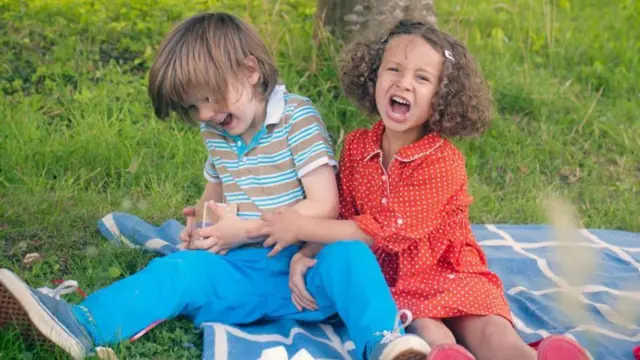
Wia dis foto come from, Getty Images
"But for Sweden, wia e dey normal to born two pikin, and wia to born one pikin mean say di family no get money like dat, di only child get worse health later in life", na wetin Goisis tok.
Dat one mean say only child no fit be di only category wey make sense to consider on top development of pikin.


End of Di one wey oda users dey read well well
Advantages
Even though di impact in terms of mental and social behaviour fit no serious like dat and na mainly becos of wia di pikin grow up, e no mean say you no fit calculate di difference.
Linda Blair wey be Uk based clinical psychologist tell BBC Mundo say, everi position for family weda eldest, middle or youngest, get advantages and disadvantages.
And di same dey go for only pikin, even though "dis na di family group wey don change pass in di last 40 or 50 years" (and na im don common pass as mata of choice).
One of di advantages wey Blair don see wit ova 40 years experience na di beta way wey di only pikin dey take tok.
"Dis na sake of di linguistic input from parents wey oda pikin no dey interrupt and wey no dey also come from dia agemates, and wey dey necessary for brain development for di first two to three years of life.;"
E tok say, "Dis dey give pikin beta academic advantage."

Wia dis foto come from, Getty Images
Anoda tin be say dem fit organize and spend dia free time wella. Since dem no get brodas and sisters dem, e mean say dem go need plan and decide wetin dem wan carry dia free time do.
Last of all, Blair show say, "dem dey quick gel wit older pipo, becos na dem dey follow connect all di time."
Disadvantages
On di oda hand to no get broda and sister, fit put pikin for more disadvantage.
American psychologist, Adriean Mancillas explain give BBC Mundo say, "research show say siblings fit get protective effect wen parental relationship for house get k-leg".
Di author of "Challenging the Stereotypes About Only Children: A Review of the Literature and Implications for Practice," add say, "for dat kain situation, siblings fit reduce di negative impact wey dis stressors get".
Dis na why Mancillas want make for dis situatuation only child fit find support outside dia parents, weda na close friends or extended families.
Wia dis foto come from, Getty Images
One negative wey Blair note be di lack of street smart for only pikin. Blair call am practical intelligence "wey go allow you shaparly grab wetin pesin wan do and wey go no go fit learn if you no dey live wit your agemates".
Anoda tin e add be say becos dem dey spend most of dia time alone or wit adults, dem no dey comfortable inside kasala.
Blair sha clear say na general characteristics and say, like we don tok for di beginning set of rules no dey to describe only child.
But if science say no be true say only pikin dem dey spoilt and all, why e dey hard to no tink am like dat, and how dat rumour take start sef?
'Disease for imsef'
Negative stereotypes around only pikin dey come from di late 18th century. Dat na wen child pyschology still dey stamp im foundation as field of academic study.
America psychologist, G. Stanley Hall na baba for dia area of study, write penti texts wia im describe only child and na dat way dem dey call only child today for popular culture.
Hall do sotay e call only child say na "disease to imself".
Later anoda American psychologist Eugene Bohannon add mouth say exclusive parental attention to just one pikin dey make dem "highly sensitive", "less risk-taking", and "inconsiderate".
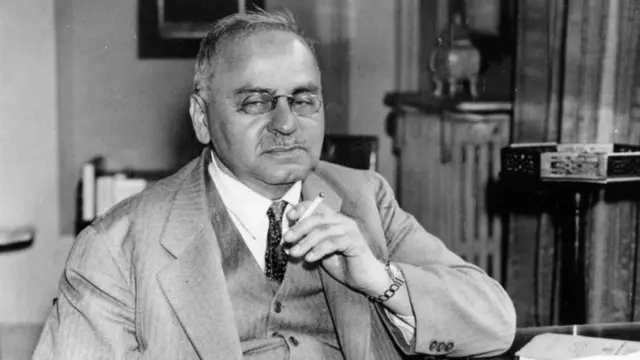
But Mancillas argue say one Austrian psychologist Alfred Adler bin get mouth pass Hall sef and increase di volume n di negative stereotype on only pikin dem.
Wia dis foto come from, Getty Images
E tell BBC Mundo say, "Adler na di first psychologist wey go examine and write wella about mata of birth order and how family structure dey affect pikin development."
E add say, "for wetin Adler write about im case studies, e describe di only pikin wey in dey treat clinically say dem be spoilt pikin and di parent wey no gree born more pikin dey give psychological harm to dia only pikin".
Although these theories bin dey later proven false, na lie wey don dey hard to comot.
Goisis believe say na becos two pikin family still be di normal tin, so only child dey seen as different and questionable.
Blair argue say attitude to only child don dey change well-well sake of changes for di current family model.
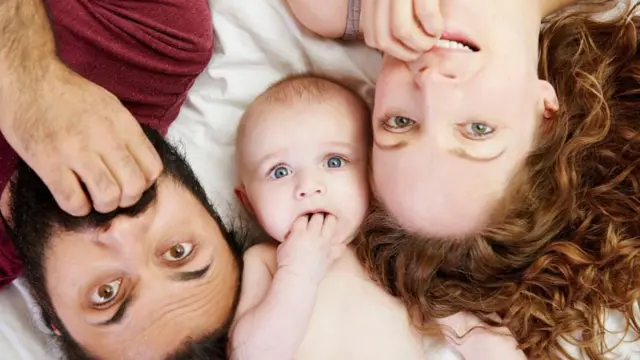
Wia before to be only pikin bin dey weird, Blair say "today di situation dey very different. For example for UK, 40% of families get only one pikin and e dey estimated say by 2030, e go be half of all families."
Wia dis foto come from, Getty Images
For Mancillas, di way to change pipo mind na to discuss di mata and bring di research and correct information to follow am.
E say, "dis na di truth for any prejudice or stereotype".
E add say, "wen internal feelings come out, na dat time we go fit change dem to di correct tin, as dat kain thinking fit harm anoda pesin or group."
Mancillas conclude say, "Wen we apply am to only pikin and parents dem, e mean to make sure say dat information dey widely available so parents go fit feel confident for dia decidion to born one pikin."