Di Malawi Whatsapp group wey save women wey dem traffic go Oman
BBC Africa Eye investigate how one WhatsApp group help save more dan 50 Malawian women wey dem traffic go Oman to work as slave.
Warning: Some pipo fit find say details for dis tori go turn dia belle.
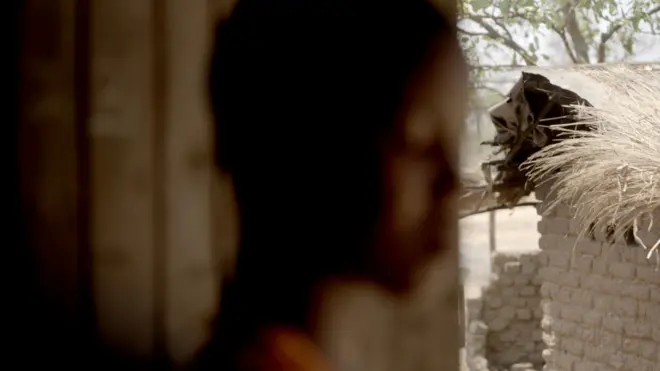
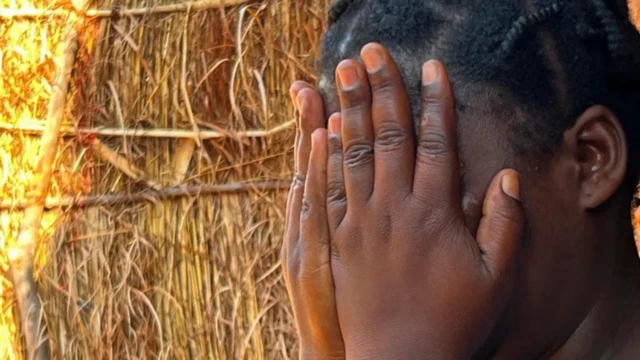
One 32-year-old woman break down in tears as she narrate di abuse she bin experience wen she dey hope for a better life, she find herself working as a maid for Oman.
Georgina wey choose to only use her first name like oda women wey BBC bin interview, bin believe say she dey recruited to work as a driver for Dubai.
She bin get one small business for Lilongwe, Malawi capital, and she dey manage wen one agent approach her say she fit earn more money for di Middle East.
Na until her plane bin land for Muscat, di capital of Oman, she realise say dem don deceive her and later she dey trapped by a family wey make her dey work wit hard labour for difficult hours, seven days a week.
"I reach a point wia I no fit take am," she tok as she narrate how she no dey get reach two hours to sleep.
She neva stay long for dia wen her boss begin dey force her to have sex wit him, and dey threaten to shoot her if she say anything.

End of Di one wey oda users dey read well well
"No be only him," she say. "Im go bring friends and dem go pay am afta."
She bin struggle to speak as she remember how dem force her into anal sex, "I injure badly and I become very worried and angry".
E dey estimated say e get around two million female domestic workers for di Gulf Arab states. For one survey of 400 women for Oman by migrant charity Do Bold, published by di 2023 US State Department Trafficking in Persons Report, almost all of dem na victims of human trafficking.
Nearly a third of di figure say dem dey sexually abused, while half report say dem dey physically abuse.
After several weeks, Georgina dey desperate and for one post on Facebook she beg make someone come help her.
Thousands of miles away from di US state of New Hampshire, 38-year-old Malawian social media activist Pililani Mombe Nyoni bin see her message and begin to dey investigate.
She reach out to her and comot di Facebook post for Georgina safety. She also pass her own WhatsApp number, wey begin dey circulate for Oman. She come realise say na wider problem.
"Georgina na di first victim. Den one girl, two girls, three girls," she tell BBC.
"Na dat time I come say: 'I go form [WhatsApp] group becos say dis be like human trafficking.'"
More dan 50 Malawian women working as domestic workers for Oman bin join di group.
Soon di WhatsApp group don full of voice notes and videos, some dey too tormenting to watch, showing di horrific conditions di women dey endure. Dem collect di passports comot from dia hand as soon as dem arrive wey go prevent dem from leaving.
Some of di women tell of how dem need to lock demsef inside toilets to secretly send dia messages.
"I feel like I dey prison… we no fit eva escape," one tok. "My life really dey for danger," anoda tok..
Ms Nyoni begin to dey speak to human trafficking charities for Malawi and she bin dey introduced to Ekaterina Porras Sivolobova, founder of Do Bold, wey dey based in Greece.
Do Bold dey work wit a community of migrant workers for di Gulf kontris, identifying victims of trafficking or forced labour and come dey negotiate wit dia employer make dem release dem.
"Di employers dey pay an agent for providing a domestic worker. One of di most common challenges wey we dey face na say until di employer or agent say: 'I want my money back, den she go fit go home'," Ms Sivolobova tell di BBC.
"Di laws wey dey in place [for Oman] no dey allow make domestic worker leave dia employer. She no fit change jobs and she no fit comot di kontri - no matter how dem treat you."
Dis na wetin dem know for di Middle East as di "kafala" labour system, wey dey tie workers to dia employers for di duration of dia contract.
Oman National Committee to Combat Human Trafficking tell BBC say di kain relationship wey dey between di employer and di domestic worker na contractual - and dem fit carry unsettled disputes go court within a week.
E add say employer no dey allowed "to impose any form of forced labour ontop di worker" and dem no dey allowed to keep "passport and private documents without written consent".
Afta three months for Muscat, and wit di help of Ms Nyoni and someone for Oman, Georgina return to Malawi for June 2021.
"After I help Georgina, I feel so mad, I feel so angry," Ms Nyoni say.
Georgina case bin allow her to raise di alarm within Malawi - and pressure begin mount ontop goment to intervene.
Malawian charity Centre for Democracy and Economic Development Initiatives (CDEDI) bin launch rescue campaign for Oman, as dem call on di authorities to bring di women home.
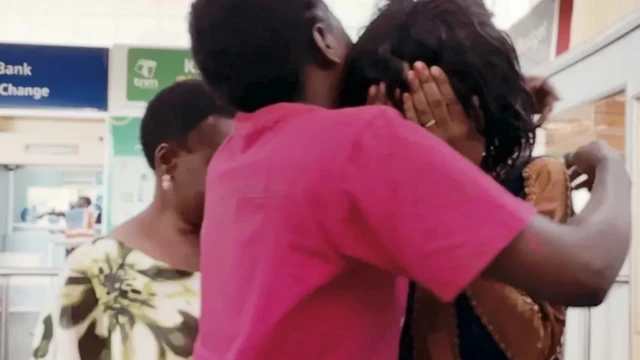
Blessings na anoda part of di women for Ms Nyoni WhatsApp group. Di 39-year-old woman bin travel to Muscat for December 2022, leaving her four children wit her sister, Stevelia, for Lilongwe.
She bin burn seriously for di kitchen of di home wey she dey work in, but her employer no go let her return to Malawi.
"Di degree of di burns, trust me, I see say my sister dey lose her own life," Stevelia tell di BBC.
"I rememba my sister say: "Sister, I come here becos I bin need a better life, but if I die, please take care of my kids." Dat one hurt me, she tok.
Stevelia begin to dey lobby for her sister to return home. At first di agent angrily tell di family say Blessings don die, but e no dey true and she finally return last October, wit di help of di Malawian goment.
"I neva tink say a time go come wey I go see my family again, my children," Blessings tell di BBC shortly afterwards.
"I no get any idea say e get pipo for dis earth wey dey treat odas like slaves."
Di Malawian goment, wey dey also work wit Do Bold, say e don spend more dan $160,000 (£125,000) to bring 54 women back from Oman.
But 23-year-old Aida Chiwalo return home inside coffin. Dem no do any autopsy or investigation for Oman afta her death.
Oman authorities say di labour ministry neva receive any complaints from domestic workers of Malawian nationality for 2022 and only one complaint for 2023 don dey settled.
"Di majority of dis women don dey released becos dem don pay money to di employer, from $1,000 to $2,000," Ms Sivolobova tok.
"So basically, dem need to buy dia freedom. And na wetin boda me. How you go buy pesin else freedom?"
One spokesperson from Malawi goment tell BBC say e dey develop rules "to ensure safe, orderly and regular migration wey go benefit migrants, dia families and kontri at large".
But Ms Nyoni, wey her WhatsApp group don dey more of a support forum for di returnees, say di issue of trafficked domestic workers to Oman na bigger problem for Malawi - dat of poverty and unemployment.
"If young girls get opportunity to get jobs for Malawi, dem no go dey trapped. We need to fix di nation so dat dis young pipo no go eva dey trapped like dis."
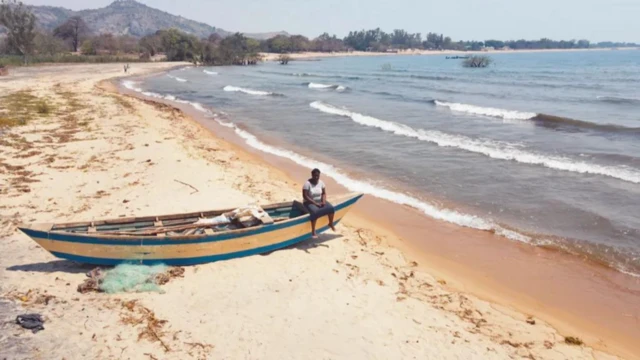
For Georgina, di trauma don dey hard to put behind her. She find am more calm to go down and look out ova Lake Malawi, one of di biggest for Africa.
"Wen I watch di waves, e dey remind me say notin for dis life last forever. One day all of dis go be history," she tok.
"I find peace and encourage myself say I go return to how I bin dey - di old Georgina, wey dey independent."