Anxiety: Wetin e be and how we fit fight am?

Wia dis foto come from, Getty Images
- Author, Bui Thu
- Role, BBC World Service
- Published
- Read am in 8 mins
Anxiety na one of di most common experience wey human beings dey get. Na natural response to situations wey pipo see as threatening or challenging.
E normal to get anxiety once in awhile as e dey prepare us to face potential threats wey be part of life, but e fit cause problems wen e too much, dey continous, hard to control, or too much pass di actual situation.
Understanding different ways wey anxiety dey take appear dey important for pipo wey dey experience am, prove support networks, and also for di society if we wan promote wellbeing.
Wetin be anxiety?
From psychological standpoint, anxiety na feeling of fear and restlessness.
We fit also define am as apprehension, tension, or uneasiness wey come from expecting danger and e fit originate from our own mind or tins wey dey occur around us.
Phuong Le, Ed.D, SEP, wey dey work for di fields of psychology and education for Vietnam and US, tell BBC say:
"Anxiety fit dey so strong sotey pipo wey dey experience am say e dey similar to physical pain, wey show say e get significant impact on mental wellbeing and di strong desire to find relief."
For im milder forms, im explain, anxiety fit dey beneficial, acting as alert system wey dey make pesin dey aware of potential dangers, sharp and help am prepare and pay attention.
However, wen fear of wetin fit happun for future become too much or no dey real, dey make us no fit function normally, e fit be sign of psychological disorder.

Wia dis foto come from, Getty Images
Wetin be difference between stress and anxiety?
Stress dey come from current challenges wey pesin dey face, like work deadlines or family issues, and dem dey usually disappear once e solve am.
Anxiety, however, dey mostly occur witout any clear cause, na wetin pesin dey tink inisde na im dey cause am, and dis dey make am last longer dan stress.
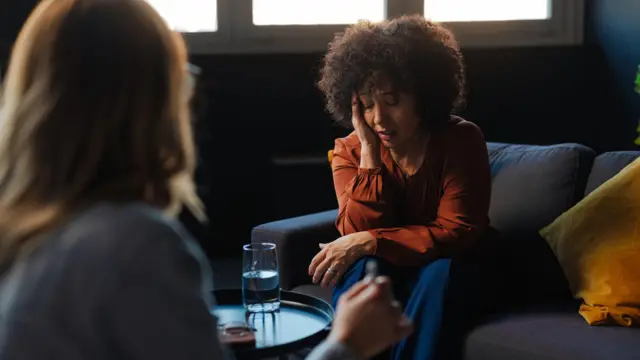
Anxiety involve feelings of dread, unease, apprehension, excessive worry, or fear.
Wia dis foto come from, Getty Images
How anxiety dey affect our wellbeing?
Anxiety fit affect our overall quality of life and wellbeing becos e dey last for long periods.
Phuong Le say chronic stress fit be significant trigger of anxiety disorders.
"Experiencing high levels of stress over long period fit scata di delicate balance of neurotransmitters for di brain wey dey responsible for regulating mood. Dis sustained pressure fit eventually lead to long term health problems, including both mood and anxiety disorders."
Im say daily life dey trigger anxiety.
"Research also show say stressful life events dey linked over long period of time to increase in anxiety sensitivity, suggesting say prolonged stress fit make pesin more vulnerable to experiencing anxiety symptoms.
"Diafore, e dey crucial to manage stress effectively to stop potential for developing anxiety disorders and oda serious mental health outcomes."

Wia dis foto come from, Getty Images
Wetin anxiety dey do to our body?
Continuous anxiety fit affect di rest of your health.
Phuong Le say chronic anxiety get link wit higher risk of cardiovascular problems, including heart disease, heart attacks, high blood pressure, and strokes.
Anxiety fit also lead to digestive problems, like make you dey purge or irritable bowel syndrome (IBS), ulcers, feel like vomit, diarrhoea and constipation.
Wia dis foto come from, Getty Images
Chronic anxiety fit make di immune system weak, make you more open to infections and you go dey sick sick.
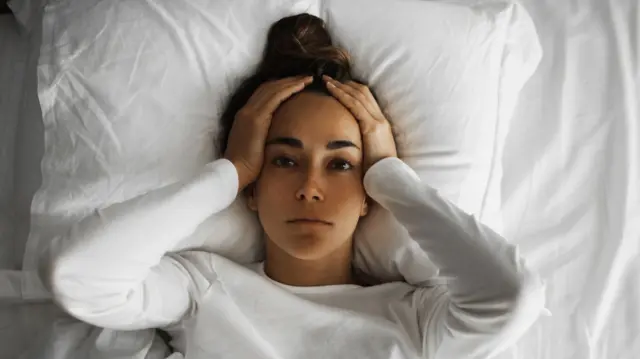
E fit cause sleep problems, wey go come create even more anxiety.
Headaches and chronic pain dey often occur wen we dey anxious, and connection fit dey between chronic anxiety and autoimmune conditions developing - reducing our ability to fight infections.
Anxiety dey increase di risk of developing oda mental health disorders, like depression and drug use disorders.
Ultimately, anxiety fit significantly reduce quality of life and increase difficulties in daily functioning, work and personal relationships.
In severe cases, fit increase the risk of pipo killing demsef.
Wia dis foto come from, Getty Images
Wetin be di most effective ways to manage anxiety for daily life?
1. General Management Techniques
We fit use different kain techniques for daily life to recognise and manage symptoms.
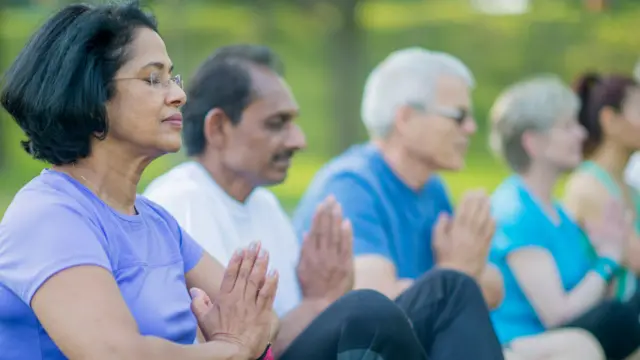
- Mindfulness
Mindfulness practices, focusing on di present moment witout judgment, dey highly effective in reducing worry and bringing us back to here and now.
Relaxation techniques, such as slow deep breathing, progressive muscle relaxation, and imagining scenes and images fit help calm di body stress response and reduce tension.
- Breathing
Practicing correct breathing techniques, using di body diaphragm, fit help prevent hyperventilation - wey be common physical symptom of anxiety.
Gradually facing fears through small, achievable steps, wey dem sabi as exposure, fit help pesin test dia anxieties and build confidence.
- 'Worry time'
Some pipo sef dey find am helpful to plan specific tim for dem to worry during di day, wey dem call "worry time", to prevent anxieties from taking overfor oda times.
Keeping diary to track wen anxiety occur plus identify di kain tins wey fit cause am, fit provide valuable insights.
- 'Make we tok about am'
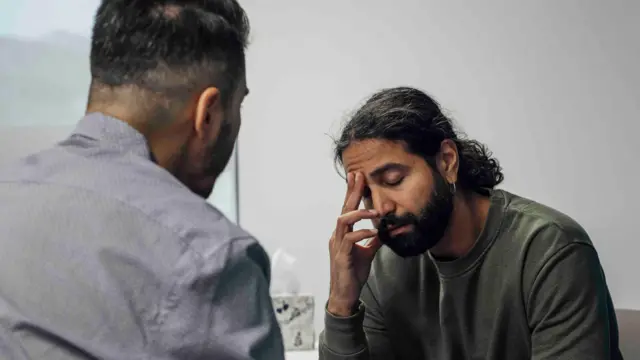
Talking about feelings wit friends wey you trust, family members, or mental health helplines fit give support and make you feel like pesin dey hear you.
Support groups fit provide safe space to share experiences and learn from odas wey dey facing similar challenges.
Enjoyable and relaxing hobbies fit also reduce anxiety.

Wia dis foto come from, Getty Images
2. Cognitive Behavioural Therapy (CBT) Techniques:
CBT dey provide methods to manage anxiety, focusing on identifying and challenging tinking patterns wey no dey help.
Dis one include examining evidence for and against negative tins wey you dey tink to gain perspective wey balance.
CBT also include mindfulness to help observe wetin you dey tink witout judging you, dis way e dey improve emotional regulation.

Wia dis foto come from, Getty Images
- Behavioural activation
Dis na CBT technique wey focus on rewarding and meaningful activities to improve your mood and reduce anxiety.
Exposure therapy, na di koko for CBT for anxiety disorders, e involve gradually confronting situations wey you dey fear, wetin you dey tink, sensations and feelings in way wey dey controlled to reduce avoidance behaviour and build tolerance.
- Relaxation techniques
CBT include orishirishi relaxation and stress-reduction techniques to help calm di nervous system and manage general anxiety.
Keeping journal or records of wetin we dey tink fit help us track negative feelings and identify patterns.
- Cognitive restructuring
Cognitive restructuring - or "reframing" - dis one involve taking hard look at negative tinking patterns and trying to rethink dem in more helpful and realistic way.
Wia dis foto come from, Getty Images
Misunderstanding about anxiety
Phuong Le say dem dey usually mistake increasing anxiety among younger generations for weakness.
However, im say one positive step na dat greater awareness and willingness to find help na im don increase di number of reported cases.
Information overload, social media, academic stress and shifting social dynamics dey particularly affect young pipo.

Wia dis foto come from, Getty Images
Phuong Le emphasis say e important to address misunderstanding about anxiety wit facts.
One common myth, im tok, be say pipo dey see anxiety as simple overreacting or to worry too much.
"Di reality be say anxiety disorders na serious medical conditions wey involve more dan temporary worry or fear; dem fit involve actual changes for brain function and structure."
Anoda misunderstanding na di beleif say na only weak pipo dey get anxious.
In truth, anxiety disorders fit affect anyone and na mostly result from biological, environmental and genetic factors.
Di idea say anxiety go just go away on im own also dey false for many pipo, im warn.

Wia dis foto come from, Getty Images
"Without treatment, anxiety fit kontinu and even get worse over time, whereas effective treatments dey available wey fit significantly improve symptoms.
While medicine na one option, no be true say na di only effective treatment.
"E get multiple effective approaches, including psychotherapy, lifestyle changes, and various integrative practices.
Contrary to di belief say to tok about anxiety dey make am worse, to openly discuss am dey actually help provide understanding and support, encouraging pipo to find help and reduce feelings of abandon."
According to Phuong Le, anoda myth na anxiety disorders dey rare.
Im say anxiety na di most common category of mental disorder and e dey cause orishirishi kains of physical symptom swey dey affect di whole body.
Wia dis foto come from, Getty Images
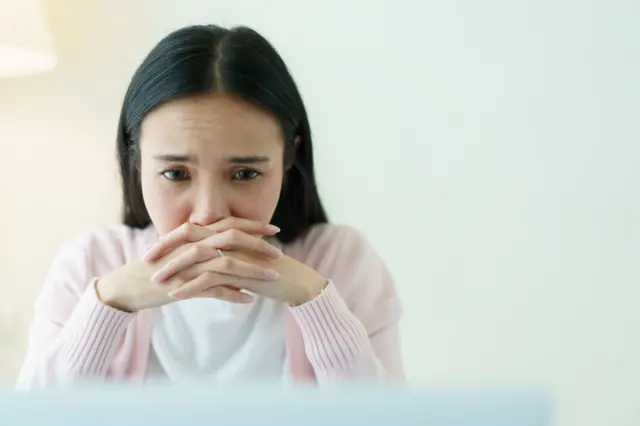
In summary, anxiety na complicated situation wit significant psychological and biological dimensions.
While e fit boost our performance for some kain situations, most times na paralysing disorder wey we need to fight through different kain techniques and, some times, medicine.
Wia dis foto come from, Getty Images


