How to stay healthy during Hajj
Wia dis foto come from, Getty Images
- Author, Esther Kahumbi
- Role, BBC World Service
- Published
- Read am in 5 mins
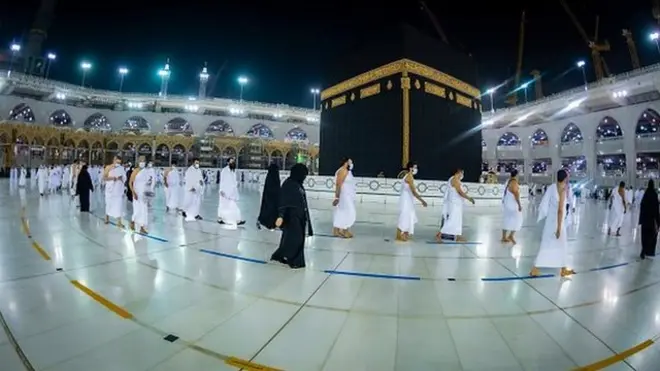
Evri year, nearly two million Muslims from around di world make di pilgrimage journey to Saudi Arabia holy city of Mecca for Hajj, to complete one of di five Pillars of Islam.
Na spiritual journey wey dey happun during Dhu al-Hijja, wey be di final month of di Islamic calendar. Dis year, e dey take place from 4-9 June, wia well ova one million Muslims dey expected to make di journey.
But no be just a spiritual journey, na serious tin wey need physical strength. Between di desert heat, large crowds, and long waka between rituals, di pilgrimage fit push your body to im limits.
Saudi Arabia say at least 1,300 people die last year during Hajj, most of dem die afta dem waka long distances for intense heat. An estimated 1.8m pipo bin attend di pilgrimage.
Checkout some tips on how you fit stay healthy while you go on dis extraordinary act of faith.
Wia dis foto come from, Getty Images
Anybody wey dey travel for pilgrimage must prepare well-well bifor dem put leg inside Saudi Arabian soil.
Health experts recommend a full body check-up, particularly for elderly pilgrims and those wit chronic conditions, like diabetes, asthma, cancer or heart disease.
Ensure say you get all di mandatory vaccines wey dey required by Saudi goment. Dis include those for meningitis, wey you suppose take at least ten days bifor arrival to Hajj, and Covid-19.
Travellers from kontris wia polio and yellow fever dey worry must also make sure say dia vaccines dey up to date.
Wia dis foto come from, Getty Images
Bifor you travel
Sake of di large number of pipo wey dey attend Hajj, local health services fit dey overstretched, so e dey wise to be self-reliant wia possible.
If you dey take prescription medication, ensure say you carry enof to last di duration of di trip. Experts recommend make pipo pack one medical bag wey go get pain killers, anti-diarrhoea medication, aid supplies for minor injuries, hand sanitisers and face masks inside.
Wia dis foto come from, Getty Images
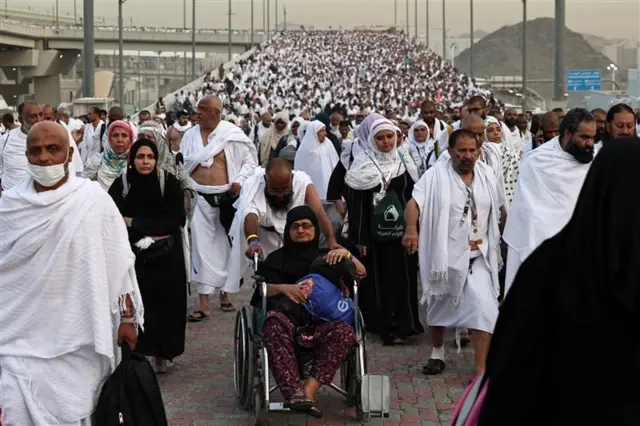
Sabi pipo advice to do physical training, especially for those wey no dey used to dey waka long distance for high temperatures.
Di pilgrimage involve a series of rituals wey dey spread across different locations around Mecca. On average, one pilgrim go waka five to 13 kilometres a day between sites.
To build stamina and reduce risk of fatigue or injury, experts advise pipo to begin a routine of light to moderate physical activity at least three weeks in advance to help di body adapt.
Wia dis foto come from, Getty Images
Coping wit extreme heat
Temperatures for Saudi Arabia fit reach up to 51C. For human being body, dat na like to stand in front of open preheated oven wit no escape.
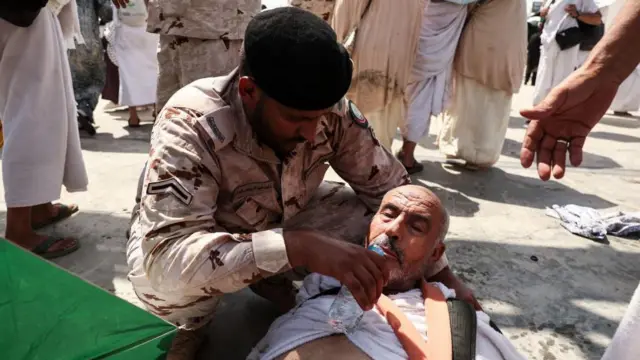
Wit dat kain extreme heat, di body go start to struggle to cool itself down, e fit lead to heat cramps, exhaustion and even heatstroke.
Despite warnings from di Saudi Health Ministry to avoid heat exposure and stay hydrated, many pilgrims dey fall victim to heat stress and heatstroke.
Dis year, di goment say dem don expand dia health personnel capacity and set up 400 water coolers as well as water misting machines to help pilgrims deal wit di high temperatures.
"Dis year, di focus na on heat-related conditions, becos Hajj dey coincide wit extreme heat. Dis year di heat index dey at its highest," Saudi Arabia deputy minister for population health Abdullah Asiri tell di news agency AFP.
Pilgrims dey advised to hydrate constantly even wen dem no dey thirsty, and wia possible, carry insulated or copper bottles wey go keep di water cool.
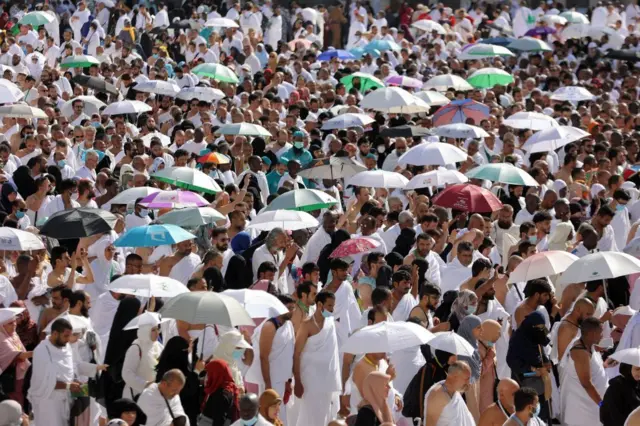
Time your outdoor activities to avoid peak heat hours, wey tend to be between 11:00 and 15:00. Avoid crowded areas and always seek shade or well-ventilated areas.
Sunscreen wit a sun protection factor (SPF) of 30 or more na sabi pipo avise pipo to use and dem advise pipo to reapply am every 2 hours to avoid sunburn. Breathable, light-coloured clothing also go help to keep di body cool becos e dey reflects sunlight. Well ventilated shoes with good arch support dey recommended.
Light-coloured or reflective umbrellas fit deflect heat.
No ignore any signs of fatigue, dizziness or nausea, becos e fit prove dangerous.
Safety for crowds
Wia dis foto come from, Getty Images
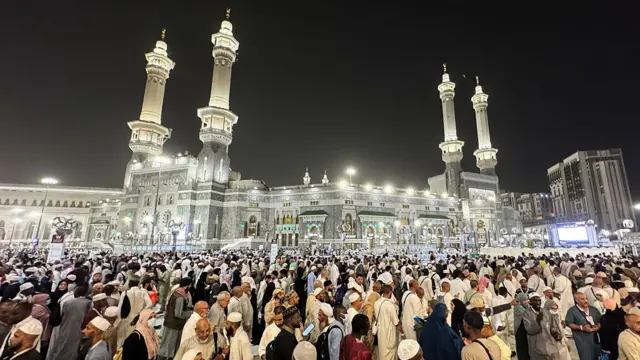
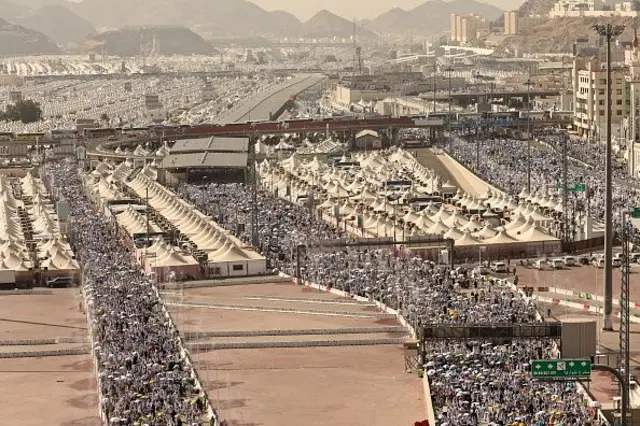
Wia pipo dey gada for large numbers, di risk of infection go increase, and a lapse in hygiene can turn a simple cough into an outbreak.
To prevent disease, pilgrims dey encouraged to wash dia hands regularly with soap and water or use hand sanitisers.
Dem also recommend face masks to avoid spreading respiratory diseases. Many indoor areas dey air-conditioned, so you fit find out say to wear a face covering dey easier for cooler places.
Keep yourself updated on any announcements from authorities. Saudi officials say dem get to set up systems to provide health and weather alerts during di most extreme conditions and overcrowding.
E also dey advisable to keep a card wit your medical history and emergency contact information with you at all times. Find out wia di nearest medical facilities dey to you.
Hajj na once in a lifetime journey for Muslims, and while spiritual pressure dey to fulfil dis act of faith, experts advise pipo to listen to your body and prioritise your health.