'A living hell': Sudanese women wey run from civil war dey face rape and abuse for Libya
- Author, Amira Mhadhbi
- Role, BBC Arabic
- Read am in 8 mins
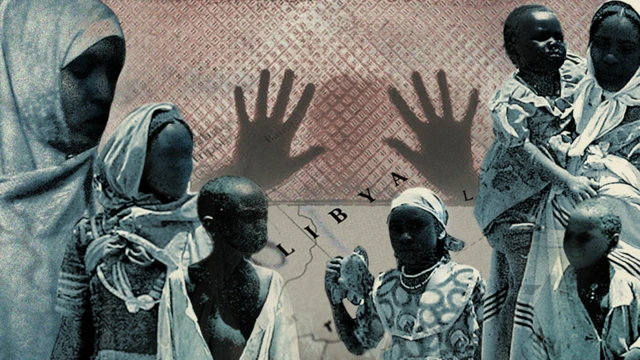
"We dey live in terror," Layla whisper over di phone so nobodi go fit hear. She run comot from Sudan wit her husband and six children early last year to find safety and now don dey Libya.
Like all di Sudanese women wey di BBC don tok to about dia experiences of how dem dey trafficked to Libya, we don change her name to protect her identity.
Warning: Dis tori carry details wey fit turn your belle.
With voice wey dey shake, she explain how her home for Omdurman bin dey raided during Sudan violent civil war, wey start for 2023.
Di family go Egypt first bifor dem pay traffickers $350 (£338) to take dem to Libya, wia dem tell dem say life go dey better and dem go dey able to find jobs in cleaning and hospitality.
But once dem cross di border, Layla say di traffickers hold dem hostage, beat dem and ask for more money.
"My son bin need medical attention afta dem hit am plenti times for face," she tell BBC.
Di traffickers bin release dem afta three days, and no tok why. Layla bin think say her new life in Libya don start to get better afta di familybin manage to travel westand she rent one room and begin work.
But one day, her husband bin comot to look for work and no ever return. Den one man wey di family know through Layla job, rape her 19-year-old daughter.
"E bin tell my daughter say e go rape her younger sister if she tok about wetin e do to her," Layla tok.
She bin tok for small tone wit fear say di landlady go kick out di family if she hear about di threats.
Layla tok say now, dem don trap for Libya: dem no get money again to pay traffickers to leave and no fit return to di war-torn Sudan.
"We almost no get any food," she tok, come add say her children no dey school. "My son dey fear to comot di house as oda children sometimes dey beat am and insult am sake of say e be black. I feel like say I go lose my mind."
Wia dis foto come from, Getty Images
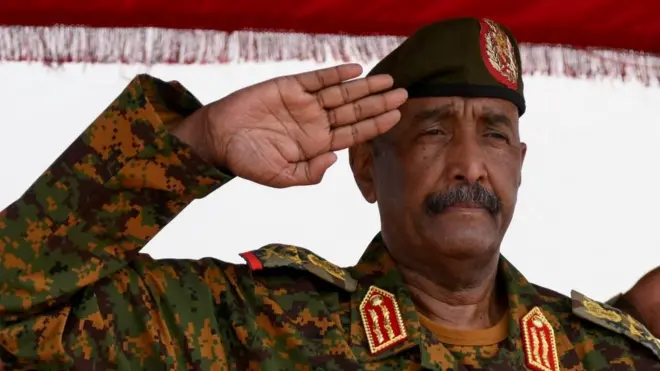
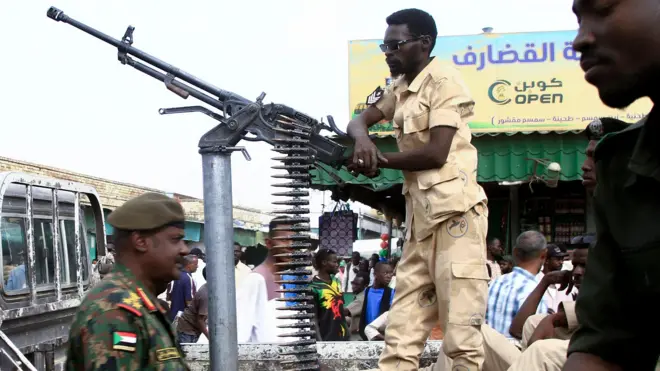
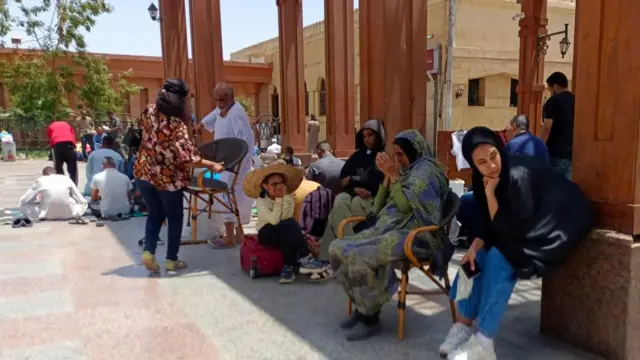
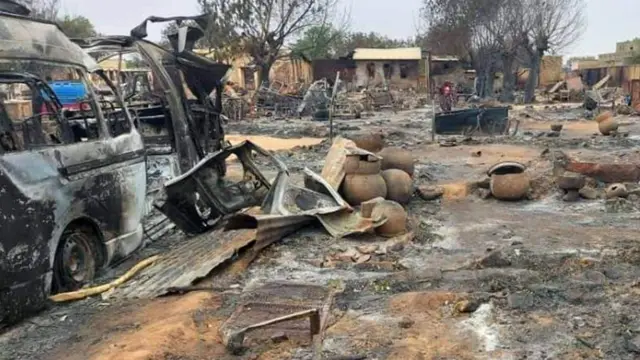
Millions don run comot from Sudan since di war between di army and di paramilitary Rapid Support Forces (RSF) bin burst for 2023. Di two sides don jointly stage coup for 2021, but power struggle between dia commanders dey sink di kontri into civil war.
More dan 12 million pipo don dey forced from dia homes, while famine don spread to five areas, wit 24.6 million pipo - about half di population - in urgent need of food aid, sabi pipo tok.
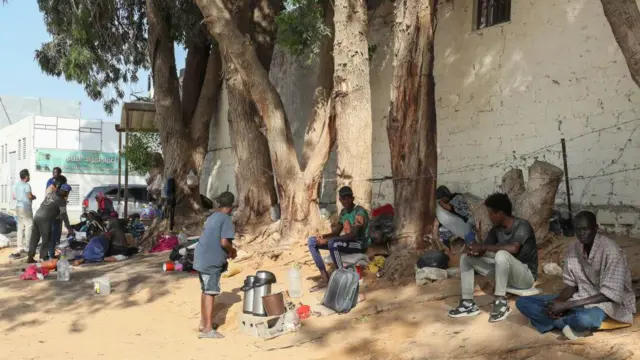
Di UN refugee agency tok say more dan 210,000 Sudanese refugees now dey for Libya.
BBC don tok to five Sudanese families wey bin first go Egypt, wia dem say dem experience racism and violence, bifor dem move to Libya, wit believe say e go dey safer wit better job opportunities. We bin contact dem through one researcher in migration and asylum seeker issues in Libya.
Salma tell BBC say she don already dey live for Cairo, in Egypt, wit her husband and three children wen di Sudanese civil war bin break out, but as huge numbers of refugees enter di kontri, conditions for migrants for dia become worse.
Dey den decide to move to Libya, but wetin dey wait dem there na "living hell", Salma tok.
She describe how, as soon as dem cross di border, dem place dem for one warehouse wey traffickers dey run. Di men want di money wey dey bin don pay in advance to traffickers on di Egyptian side of di border, but e no land.
Her family bin spend nearly two months for di warehouse. At one point, Salma dey separated from her husband and dem take am to one room for women and children. Here, she say she and her two eldest children dey subjected to different kind of brutality sake of say dem want di money.
"Dia whips leave marks on our bodi. Dem go beat my daughter and put my son hands inside oven with fire while I dey watch.
"Sometimes I dey wish say make we all die togeda. I no fit think of anoda way out."
Salma tok say her son and daughter dey traumatised by di experience and don suffer from incontinence - inability to control dia urine - since. She come lower her voice.
"Dey go take me to one separate room, di 'rape room' wit different men each time," she tok. "I born di pikin of one of dem."
Las-las, she raise moni through one friend for Egypt and di traffickers release di family.
She say one doctor den tell her say e too late for abortion, and wen her husband find out say she dey pregnant, e abandon her and di children, leave dem to dey sleep for rough place, eat leftovers from rubbish bins and beg for street.
Dem find refuge for one remote farm for north-western Libya for some time, spend whole days wit little to no food. Dem dey quench dia thirst wit one contaminated water from one nearby well wey dem dey drink.
"E break my heart to hear my [older] son say e don dey die from hunger," Salma tok over di phone, as di cries of her baby grow louder for background.
"E dey so hungry," she tok, "but I no get nothing, not even enough milk for my breasts to feed am."
Wia dis foto come from, Getty Images
Jamila, one Sudanese woman for her mid-40s, also believe reports within di Sudanese community say better life dey wait dem for Libya.
She bin run from di old unrest for Sudan western region of Darfur in 2014 and spend years in Egypt bifor she move to Libya for late 2023. She say dem don rape her daughters repeatedly since den - dem be 19 and 20 wen e bin first happun.
"I bin send dem go one cleaning job wen I dey sick; dem come back for night covered wit dirt and blood - four men bin rape dem until one of dem faint," she tell BBC.
Jamila say one man also rape and hold her captive for weeks, di man dey much younger dan her, e bin offer her job to clean im house.
"E dey always call me 'disgusting black'. E bin rape me and say, 'Dis na wetin women dey made for,'" she recall.
"Even kids here dey wicked to us, dey treat us as beasts and sorcerers, dey insult us sake of we be black and African, dem no be Africans demselves?" Jamila tok.
Wen dem rape her daughters for di first time, Jamila bin take dem to hospital and report am to di police. But wen di police officer realise say dem be refugees, Jamila say e withdrew di report and warn her say she go go jail if di complaint dey officially filed. Dis na for di west of Libya.
Libya no be signatory to di 1951 Refugee Convention or di 1967 protocol wey relate to di Status of Refugees - and consider refugees and asylum-seekers "illegal migrants".
Di kontri dey divided into two, wit each part wey different govment dey run, but di situation dey easier for migrants for di east as dem fit file official complaints without say dem go dey detained, and access healthcare more easily, according to human rights group Libya Crimes Watch.
While sexual violence dey common within unofficial facilities run by traffickers, e also be proof say abuse dey happun for official detention centres for Libya, especially for di west.
Wia dis foto come from, Getty Images
Hanaa, one Sudanese woman wey dey work to gather plastic bottles from bins to feed her children, say one group of men bin abduct her for western Libya and den take her to forest and rape her at gunpoint.
Di next day her attackers bin take her to one facility wey di state funded Stability Support Authority (SSA) dey run. Nobody tell Hanaa why she bin dey detained.
"Young men and boys dey chop beaten and dem dey forced to completely remove dia clothes while I dey watch," Hanaa tell BBC.
"I bin dey there for days. I sleep for bare floor, rest my head on my plastic slippers. Dey go let me go to toilet afta hours of abeg. Dem beat me repeatedly on di head."
Plenti reports of migrants from oda African kontries wey face abuse for Libya dey ground. Di kontri na key stepping stone on di way to Europe, although no one among di women wey di BBC tok to get plans to travel there.
For 2022, Amnesty International bin accuse di SSA of "unlawful killings, illogical detentions, interception and susequent arbitrary detention of migrants and refugees, torture, forced labour, and oda shocking human rights violations and crimes under international law".
Di report say di Ministry of Interior officials for di capital, Tripoli, bin tell Amnesty say di ministry no get oversight over di SSA since e dey answer to di prime minister, Abdul Hamid Dbeibeh, wey im office no respond to our request for comment.
Libya Crimes Watch don tell BBC say systemic sexual abuse of migrants dey happun for official migrant detention centres, including di notorious Abu Salim prison for Tripoli.
Inside one 2023 report, Médecins Sans Frontières (MSF) tok say e get "increasing number of reports of sexual and physical violence, including systematic strip and intimate body searches and rape" for Abu Salim.
Di interior affairs minister and di Department for Combating Illegal Migration for Tripoli no respond to our request for comment.
Salma now don comot di farm, move to one new room wit anoda family nearby, but she and her family still dey face di threat of eviction and abuse.
She say she no fit go back home sake of wetin don happun to her.
"I bring shame on di family, dem go tok. I no dey sure say dem go even welcome my dead body," she tok. "If only I bin know wetin dey wait me here."