Selecting papers and boards
Types of papers and boards and their uses
A variety of factors affect the selection of materials for production, including:
- How something looks.
- environmental
- availability
- cost
- decorative techniques
- social
- cultural
- ethical
Papers and boards should be selected based upon the purpose for which they will be used. It is important to know and understand which materials can be used for a specific purpose:
- How do they look?
- What are they commonly used for?
- How can they be manufactured?
- How do they perform in use?
- What makes them unique - are they the most Hardwearing., the lightest etc?
Aesthetics
Aesthetics are how the product looks, this could include:
- colour - varies depending on the product
- texture - the surface feel of the product, can show a sense of a quality
- form - the size, thickness or physical properties of the paper or board used
- surface graphics - the materials ability to accept print and graphics can be essential to some products
Environmental
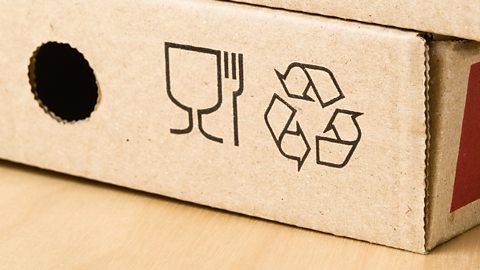
Materials produced from plants are considered more A sustainable resource can be replaced once used. As a tree is chopped down, many more can be planted to ensure the use of trees can be sustained. than those produced using oil, as plants can be regrown. Designers need to consider environmental factors in production, such as disposal of materials or possible pollution. As the paper-making process involves cutting down trees to create Wood fibres processed and reduced down with chemicals or mechanically broken down into smaller parts to make paper., as well as using harmful chemicals such as bleach, it is important that we can recycle paper and cardboard so that new wood pulp, needed to create paper, is kept to a minimum. Paper is made from A carbohydrate. It forms the cell wall in plant cells. fibres found in wood and grasses, which makes it Inexhaustible and replaceable..
Availability
A person or company that makes something from raw materials or from an assembly of component parts. can guarantee a high-quality finish, saving time and costs, if they use a trusted supplier of widely available Materials that are stored by a business for use in production.. However, they will need to research any specialist material they wish to use before production can start. Questions need to be asked, such as do they need a bespoke setting on machinery or how will it fold or cut, which can result in better quality but also increased costs.
Cost
Several costs should be considered when choosing the relevant product including the quality of materials; the cheapest material may not be the best option. Designers should be able to calculate costs involved. It may be that different providers charge different amounts, and the designer will weigh up the comparison of cost and service before deciding who to use.
Example
A leaflet-printing firm have set charges depending upon the number of leaflets printed. Their prices can be seen below:
| Quantity | Price per leaflet |
| 0-100 | £0.20 |
| 101-500 | £0.18 |
| 501-1,000 | £0.16 |
| 1,000+ | £0.13 |
| Quantity | 0-100 |
|---|---|
| Price per leaflet | £0.20 |
| Quantity | 101-500 |
|---|---|
| Price per leaflet | £0.18 |
| Quantity | 501-1,000 |
|---|---|
| Price per leaflet | £0.16 |
| Quantity | 1,000+ |
|---|---|
| Price per leaflet | £0.13 |
If a designer required 200 leaflets, they could see from the table that each leaflet would cost £0.18.
= 0.18 × 200 = £36.00
Question
Using the information shown above, calculate the total cost if 1,500 leaflets were needed.
Individual price for 1,000 or more leaflets is £0.13.
Total cost = individual price × quantity required
= 0.13 × 1,500 = £195.00
Decorative techniques
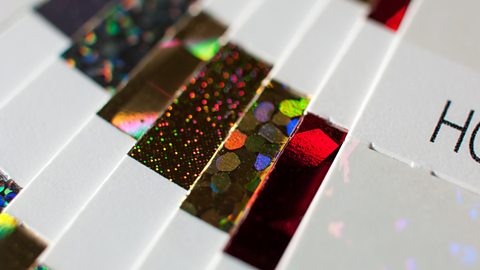
Using techniques such as To stamp a pattern onto a surface so that it stands out., Applying metallic foil to a surface using heat. or A method cutting paper or card by pushing a blade through the material. will ultimately add to the unit cost.
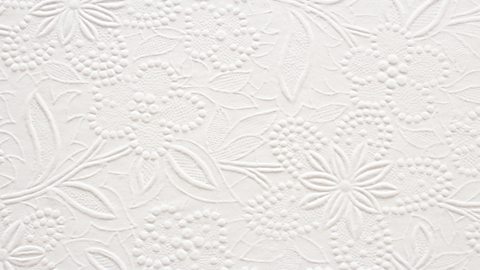
Image caption, Embossed cards
1 of 2
Social
Lifestyle and religion are examples of social factors. Designers should be aware of what is acceptable in society when creating their product. This usually applies to printed information; however, a designer should also source materials responsibly so that the producer is not adversely affected.
Cultural
The designer must be aware of what is and isn’t acceptable in society by researching their target market. Offence can be caused by using the wrong wording, images or colours.
Ethical
A designer can ethically source materials from suppliers that are conscious of their staff’s wellbeing, from a social or cultural perspective - eg avoiding using child labour in production of a material or product.
