Surface finishes
As well as being applied in printing, varnish can be added to card to give it a Shiny. finish. Quite often, just part of a package - usually the logo on a box - has varnish applied so that it stands out to the customer. This is an expensive process and is often added to packaging for chocolates, perfume and aftershave in order to make it look more attractive.
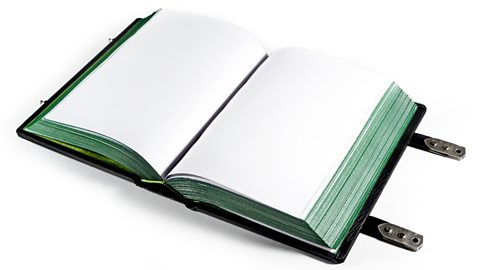
Applying a dye to the edge of a book by Paper that has colouring or tint to the edge of the pages. is a costly process but is often used to convey quality.
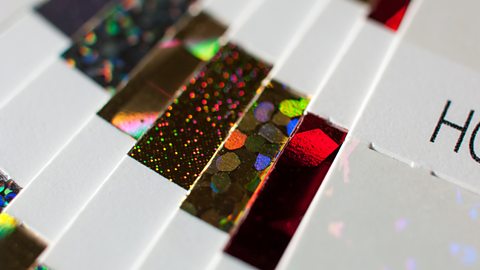
A cost-effective way of printing metallic colour or holograms to a product is Applying metallic foil to a surface using heat., where a pre-glued foil is stamped onto the surface using heat and pressure. This is commonly done in bank notes and music festival tickets.
Ultraviolet light is a form of radiation that can come from the Sun, or is artificially produced by ultraviolet lamps and bulbs. varnishing produces a high-gloss finish on card. A shiny liquid is applied to the card and then Solid matter is dissolved in a solvent. When the solvent evaporates away, the solid matter is left due to curing. when Unprotected when in the presence of a type of radiation, eg the photographic film was exposed to light to produce an image. to UV light. UV coatings are very eye-catching and are highly suitable for marketing material to catch the eye of a potential customer.
Adding a At least two layers of material bonded together. or a film (PET or LDPE) to a product not only provides practical advantages, such as barrier protection for frozen foods, but also provides an effective surface on which to print vibrant eye-catching designs.
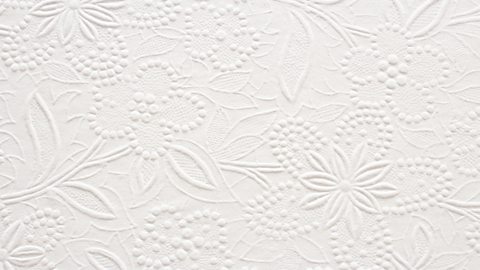
To stamp a pattern onto a surface so that it stands out. is a process that creates a raised pattern on the paper or card and is made using a stamping process. Embossing adds texture and depth to a product and is often found on greetings cards or on perfume and aftershave boxes to raise the logo and make it eye-catching.