Characteristics and properties
The main characteristics of papers and boards are:
- Compactness of a material.
- transparency
- texture
Density
Density is the measure of how tightly a material is pressed together, or the compactness of a material, and can expressed as an equation:
Transparency
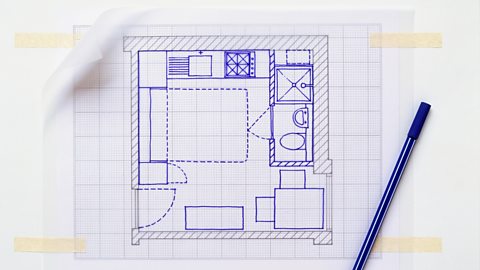
Transparency describes the amount of light seen through a material. Material such as tracing paper allows light to pass through; however, a highly Not transparent or see-through. paper, such as cartridge paper, does not allow much light to pass through.
Texture
Texture is how a paper feels - is it smooth or rough? Paper that has a ribbed appearance., where horizontal and vertical lines are impressed into the paper during manufacture, are often used for letterheads, presentations, and whenever a distinctive and rich feel is desired.
Working properties of papers and boards include:
- flexibility - the amount a material bends when you apply force
- printability - the ability to accept a printed image
- biodegradability - the ability to be broken down by bacteria or other biological means
- weight - conveyed in grams per square metre, the higher the number, the heavier the paper
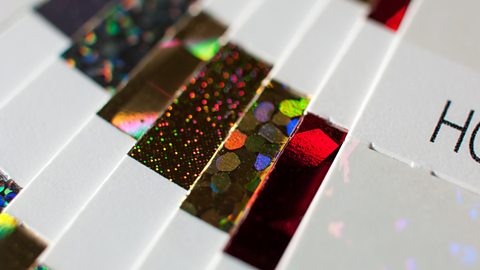
- surface finish - affects how smooth or rough the surface of the paper or the board is - examples include embossing, varnishing and hot foil blocking
- absorbency - the amount of liquid absorbed by the surface of the paper and board can affect the ability to print or quality of the image
- printability - affected by factors such as how absorbent or smooth the surface is or how a printed image is accepted onto a surface
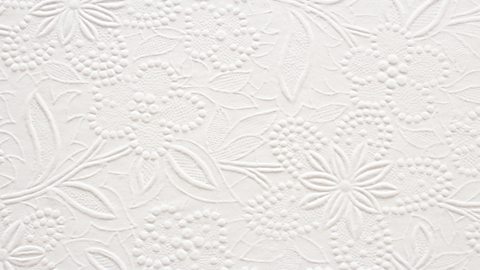
Image caption, Embossed cards
1 of 2
