Sign up to the BBC Bitesize newsletter! External Link
For home education news and stories plus updates on the latest Bitesize content, register for our newsletter today.

Hands up if you didn’t know how to unblock a drain or put a picture up when you first left home?
According to a 2025 YouGov survey of over 2,000 adults in England, Scotland and Wales, less than half (46%) of 18-24-year-olds describe themselves as being ‘capable’ at DIY.
Practical skills, not just DIY but things like cooking, budgeting and sewing, can be a great asset to teach your child at home, equipping them with useful skills and a sense of autonomy before they become a fully-fledged adult.
What are practical skills?
Practical life skills is a broad term but it can include, among other things:
- Cooking
- Budgeting
- Gardening
- Designing or making things
- Fixing things
- Domestic chores
- Household and personal admin
Building practical skills will usually involve a ‘hands-on’ element and be something your child can apply in the real world. For example, being able to tie or untie your shoelaces is a practical life skill, as is being able to prepare a meal for yourself or others.
Teaching children how to cook
"Cooking is, in my opinion as a dietitian and mum to six kids, one of the most valuable life skills a child can learn,” says Priya Tew, Specialist Dietitian from Dietitian UK and author of The DASH diet and the complete LOW FODMAP Diet plan.
“It helps them learn to make healthier choices and builds confidence in looking after themselves once they leave home. It teaches maths skills with weighing… DT skills, and supports English skills with reading and finding recipes. Teaching children to cook also opens up science conversations about nutrition, digestion and where food comes from.”
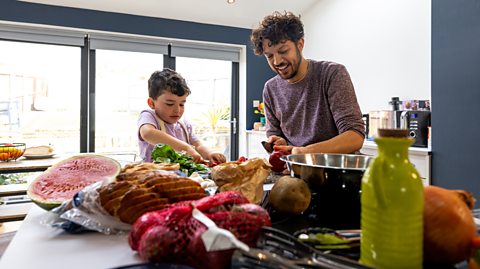
Children’s cooking ideas
When it comes to practical cooking skills with children, Priya says: “Start with simple, hands-on tasks such as washing vegetables, measuring ingredients or stirring mixtures.”
You could also get your younger child to grate cheese or make a sandwich, progressing to opening and cooking a tin of baked beans or boiling an egg, obviously all under adult supervision.
Priya advises: “Cook family meals together so children see everyday healthy eating in action. In our house we aim to get each child to help once a week. Involve them in planning, shopping, and reading labels to teach budgeting and making balanced choices. Encourage experimentation. Letting children adapt recipes boosts creativity as well as practical know-how. Starting with adapting baking recipes is a good place.”
Should you teach children DIY?
DIY is a great way to build children’s problem solving skills and resilience, as well as preparing them for independent life. It can involve aspects of carpentry, plumbing, engineering, painting and decorating.
You could start with paper and DIY craft resources, perhaps making a DIY animal vase with your child. As you progress, you can add in different materials for them to work with.
If you’re not confident yourself, you can learn together with your child. Start with something simple such as learning about tools and how to join materials, and use online tutorials, local classes and tool-share schemes to help you with resources.
Sarah Leslie, aka ‘theharrogatehandywoman’ on TikTok, recommends starting with some purpose-made tools for children, such as, “plastic Philips and flat screwdrivers and some plastic screws,” so your child can safely practise screwing and unscrewing items.
“Start with plastic milk bottles and their lids, they’re easy to hold with built-in handles and a large flat lid. Then move on to plastic nuts and bolts so they can join things together.”
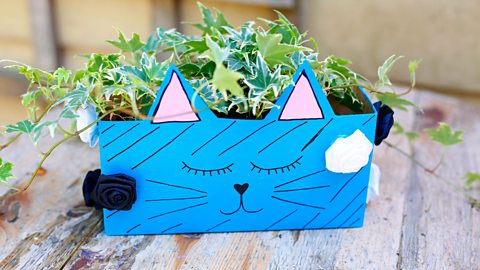 Image source, Sophie Prescott-Crees aka DIY Blonde
Children’s DIY projects
“The only way to feel comfortable is by practice. And if the shelf goes wrong… try again. No biggie!” – Sarah Leslie, DIY expert
Sarah Leslie recommends filling a hole on the wall as a good starter DIY project: “Wearing masks, put some filler powder in a flexible container and add water until it's at the right consistency: thick for big holes or runnier for hairline cracks. Apply the filler, pushing it in with a lollypop stick or tongue depressor and leaving it a bit proud of the wall. It becomes lighter in colour as it dries. When fully dry, again wearing masks, sand with fine sandpaper (grade 120 to 240) until it's smooth.” Then paint over it for your next DIY task!
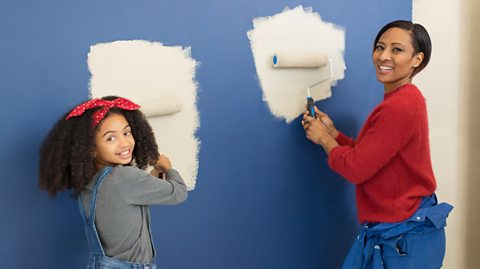
You could also try:
- Making a bird box, bug hotel or hedgehog house
- Building a den using different materials
- Following instructions to put up a picture or assemble a piece of furniture
- Sealing a bathtub or sink
- Painting a bedroom wall
- Reupholstering some furniture
- Fixing something, such as a flat tyre on a bicycle
- Creating a secure swing seat - if you’re feeling adventurous and have space!
If you want to progress to putting a shelf up with your child, Sarah advises: “Use a spirit level longer than the brackets are spaced. Mark the positions of the fixing holes on to the spirit level. Hold the spirit level on the wall where you want the shelf. Transfer the marks to the wall. Drill the holes with a 6mm masonry bit. Insert 6mm plugs and secure the brackets to the wall with a 3.5-4.5mm screw.”
She adds: “If either the parent or the child is using a drill for the first time, it's good to practice on scrap first. Plasterboards are always getting broken at builders' merchants: ask if there's any broken pieces, glue them to a house brick and drill some holes in them in your garden!”
Gardening with children
Gardening skills are a good way of getting your child outdoors, instilling a love of nature and an understanding of how the natural world works. It’s a great way to incorporate outdoor learning too. And you don’t need a garden to teach gardening skills!
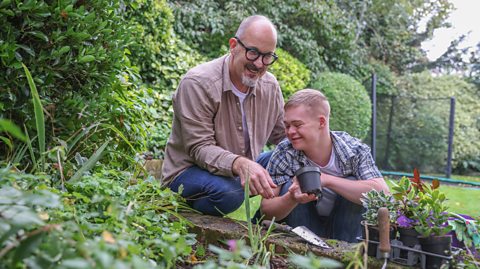
Start off by allowing your child to simply explore outside, digging their hands into the soil to find worms or woodlice, and talking to them about the plants and nature you can see.
From there, you can think about growing plants at home. Succulents such as cacti can be a good place to start, as they can sit on a windowsill and don’t need much watering or attention.
If you have space, grow veg from the veg you already have, either in your garden, on the window sill or on a community allotment. Give your child a small plot to tend themselves.
You could also consider digging a small pond or planting a tree or shrub and watching it grow. Gardening teaches your child patience and gives them a sense of autonomy.
Teaching children to sew
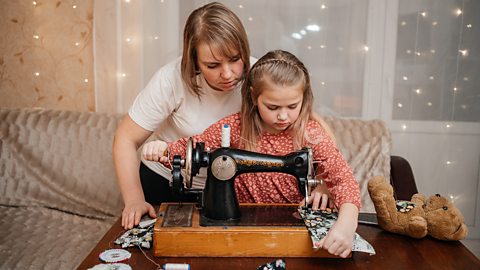
Being able to sew can be a useful skill for many reasons: it builds children’s fine motor skills, can be used for mending clothing and fixing other items, and for hobbies, creative tasks and mindfulness. You can buy craft kits which will show your child the basics, or you can demonstrate hand stitching yourself.
If you or your child wants to learn how to sew on a sewing machine, you can start by understanding the stitches. Try second-hand and resale sites if you want to buy a sewing machine on a budget, you may get a better quality machine this way than buying a cheaply-made new one. You can also borrow a machine via a peer-to-peer lending website or hire one via some retailers.
Children’s sewing projects
Once your child has mastered some basic stitches, set them off on a fun sewing project:
- Sew a tote bag
- Make some bunting
- Sew a mobile phone cover
- Make clothes, with or without a sewing machine
Other practical skills you can teach as part of home education
Once they start, the opportunities for your child to build on their practical skills are endless:
- Making things such as jewellery, including using different materials such as metal, wood, plastics, textiles, etc
- Budgeting, either with a shopping list or pocket money
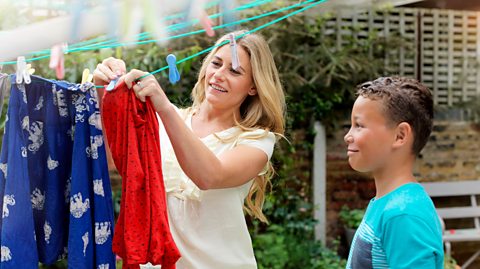
- Doing the laundry and other chores
- Feeding and looking after pets
- Packing their bag for the day
- Making their own breakfast, packed lunches or picnics
- Using a planner for their educational work, paid work or social life
- Booking appointments such as GP, hairdresser, and other administrative tasks
Where can I find out more?
For more ideas on gardening check out BBC’s Let It Grow initiative. Bitesize for Teachers has these fun fruit and veg growing dance videos.
You can search the BBC Bitesize website by subject too, like constructional textiles for sewing and crafting for GCSE-age children, and design and manufacture to learn more about materials for DIY-related projects.
Where can I find more support for home education and parenting?
The BBC Bitesize home education collection is designed to support you and your child’s learning at home with free downloadable resources, advice articles and videos for children aged two-to-five years old, five-to-11 years old and 11-to-16+ years old.
Bitesize Parenting is the go-to place for the whole parenting community to find stories, expert advice and fun activities.
If your child has special educational needs or disabilities, be sure to check out the Parenting SEND collection. Bitesize has a collection of Sensory Stories, an immersive video series of unique sensory adventures for children with additional needs.
For more information about home education, this BBC News article covers the rise in families deciding to educate their children at home.
