Gold dey boom - but how safe e be for investors?
Wia dis foto come from, Getty Images
- Author, Theo Leggett
- Role, International business correspondent
- Published
- Read am in 10 mins

"Wetin you get here na about £250,000 worth of gold," Emma Siebenborn tok as she show one faded plastic tub wey dey filled wit old, shabby jewellery – rings, charm bracelets, necklace and orphaned earrings.
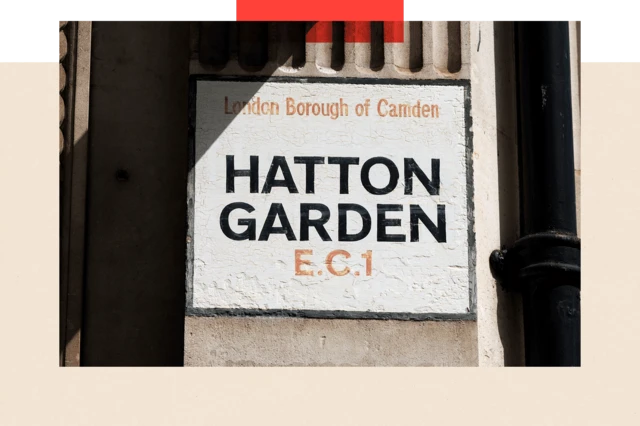
Emma na di strategies director of Hatton Garden Metals, a family-run gold dealership for London Hatton Garden jewellery district, and dis unprepossessing tub of bric-a-brac na small sample of wetin pipo dey buy ova di counter each day. Na gold scrap, wey dem go melt down and recycle.
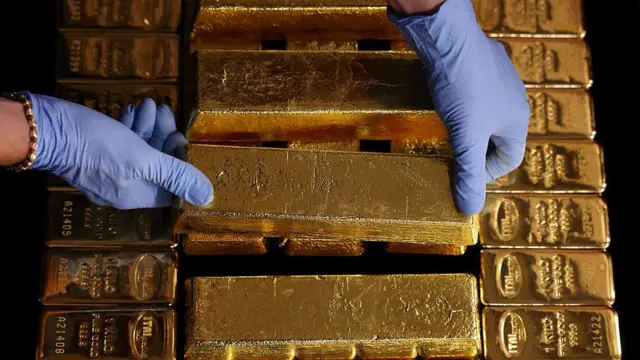
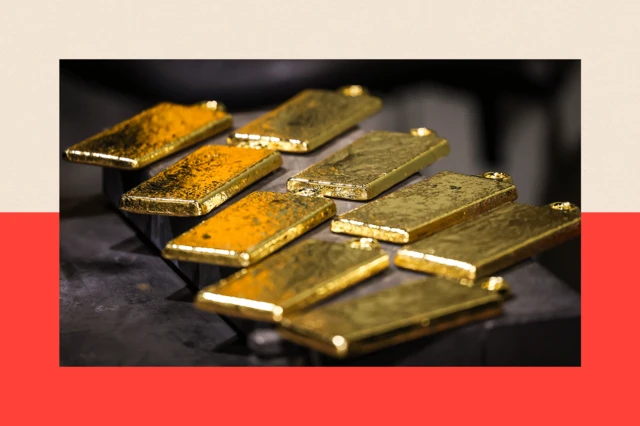
Also for table, wey dem elegantly present for one suede-lined tray, na selection of gold coins and bars. Di largest bar na about di size and thickness of a mobile phone. E weigh a hefty 1kg, and e dey worth about £80,000.
Di coins include biscuit-sized Britannias, each of dem get precisely one ounce of 24 carat bullion, as well as smaller Sovereigns. All of dem dey available to buy - and di recent surge in gold prices don lead to a surge in demand.
Zoe Lyons, na Emma sister and she be di managing director, she never see anytin like dis – wia pipo wey wan sell dey queue for street. "Excitement and buzz dey market but also nervousness and trepidation," she tell me.
"Pipo dey fear too about which way di market go go next, and wen you get dose emotions, ultimately e dey create big trades."
For MNR jewellers a couple of streets away, one salesman agree: "Demand for gold don increase, definitely," im tok.
Gold certainly dey boom. Di price don increase by more dan 40% ova di past year. For late April e rise to above $3,500 (£2,630) per troy ounce (dat na di measurement for precious metals). Dis mark an all-time record, even allow for inflation, e exceed di previous peak im bin reach for January 1980. Back den di dollar price na $850, or $3,493 wit today money.




End of Di one wey oda users dey read well well
Economists don attribute dis to a variety of factors. Di main one dem say na di unpredictable changes for US trade policy, wey Trump administration introduce, di effects of dis don shake di markets. Gold, by contrast, many pipo see am as solid investment. Fears about geopolitical uncertainty don make more pipo to chook eye inside. Many investors appreciate di commodity for im stability afta billionaire Warren Buffet bin once call am lifeless …".
"Na di kain conditions wey we consider as perfect storm for gold," na so Louise Street take explain am. Street na senior market analyst for World Gold Council, wey be trade association funded by the mining industry.
"Na di focus on potential inflationary pressure. Recessionary risks dey rise, you don see di IMF [International Monetary Fund] dey downgrade economic forecasts veri recently…"
But wetin go up fit also come down. While gold get reputation as stable asset, e no dey immune to price fluctuations. In fact, in di past, major surges for di price bin dey followed by ogbonge falls.
So wetin bi di risks say dis fit happun again, wey go leave many of today eager investors to nurse big losses?
Wetin really start dis goldrush
For centuries, sake of di value of gold, many pipo dey keep am becos e dey rare. Di global supply dey limited. Only around 216,265 tonnes na im dey mined, according to di World Gold Council, (di total dey currently increase by about 3,500 tonnes per year). Dis one mean say many pipo see am as a "safe haven" asset wey go retain im value.
As investment, however, e get both advantages and disadvantages.
Unlike shares, e no go ever pay dividend. Unlike bonds, e no go provide steady, predictable income, and dia industrial applications dey relatively limited.
Wia dis foto come from, Getty Images
Di attraction, however, na say na physical product wey dey exist outside of di banking system. E also dey used as insurance policy against inflation: while currencies tend to lose dia value ova time, gold no dey lose im value.
"Central banks no fit print gold, and e no fit comot am from air,"na so Russ Mould, investment director for stockbroker AJ Bell tok. "In recent times, big policy response from authorities wen crisis dey na: slash interest rates, boost money supply, quantitative easing, print money. Dem dey see gold as a haven from dat, and therefore a store of value."
Recently, ogbonge rise in demand for gold don dey from so-called Exchange Traded Funds, investment vehicles wey dey hold asset such as gold demsefs, while investors fit buy and sell shares in di fund.
Dem dey popular wit large institutional investors – and dia actions don help to push up di price.
Wen gold hit dia previous record for January 1980, di Soviet Union bin just invade Afghanistan. Oil prices bin dey high, wey drive up inflation for developed economies, and investors bin dey look to protect dia wealth. Di price also rise sharply afta di global financial crisis, wey lead to anoda peak for 2011.
Di recent increase na sake of di way di markets bin respond to di confusion wey Trump administration cause.
Wia dis foto come from, AFP/Getty Images
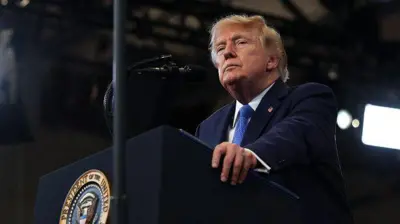
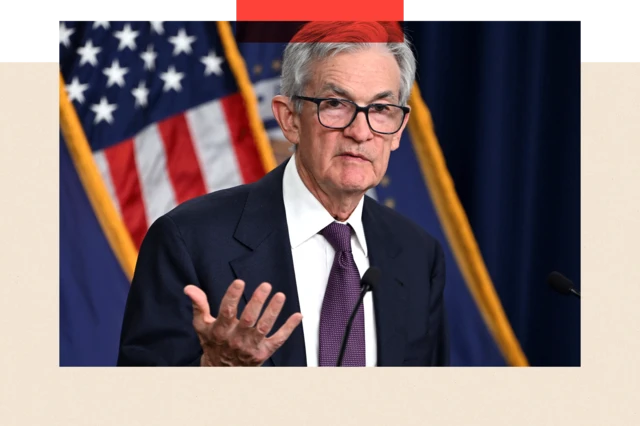
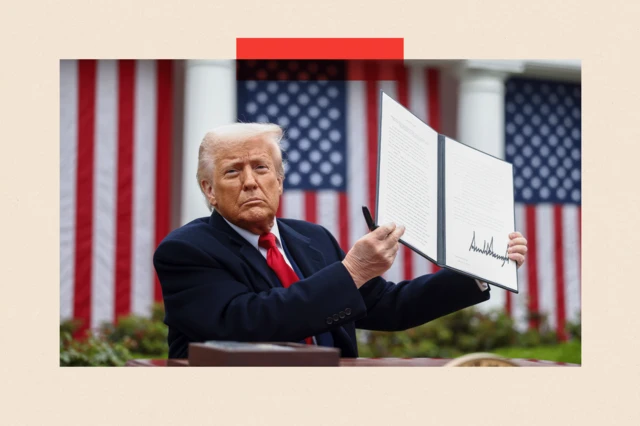
Di most recent surge come afta US President Donald Trump bin launch online attack on Jerome Powell, di chair of di Federal Reserve. Calling for immediate interest rate cuts, im describe Oga Powell as "major loser" for failing to reduce di cost of borrowing quickly enough.
Im comments some pipo bin interpret am as an attack on di independence of di US central bank. Share markets fall, as wit di value of di dollar compared to oda major currencies – and gold hit dia most recent record.
But gold recent strength no only dey based on Trump factor.
Fears of weaponisation of di dollar system
Di price dey rise since late 2022, partly, according to Louise Street, becos of central banks. "[Dem] be di net buyers of gold, to add to dia official reserves, for di past 15 years," she explain. "But we see say e really increase in di past three years."
Central banks collectively don buy more dan 1,000 tonnes of gold each year since 2022, up from average of 481 tonnes a year between 2010 and 2021. Poland, Turkey, India, Azerbaijan and China dey among di leading buyers last year.
Analysts say central banks fit by demsefs dey try to build up buffers for a time of growing economic and geopolitical uncertainty.

Wia dis foto come from, Getty Images
According to Daan Struyven, co-head of global commodities research for Goldman Sachs: "For 2022 di reserves of Russian Central Bank dem freeze am sake of di invasion of Ukraine, and reserve managers of global central banks around di world notice am, 'Maybe my reserves no dey safe either, what if I buy gold and hold for my own vaults?'
"And so we don see dis big structural fivefold increase in demand for gold from central banks."
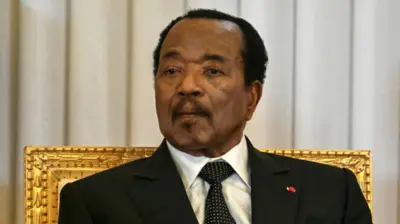
Simon French, chief economist and head of research at investment firm Panmure Liberum also believe say di independence from dollar-based banking systems na major driver for central banks. "I go look China, but also Russia, dia central bank na big buyer of gold, also Turkey.
Wia dis foto come from, Getty Images
"Some kontris dey wey dey fear weaponisation of di dollar system and potentially di Euro system," im tok.
"If dem no dey align demsefs wit US or di Western view, on diplomatic grounds, on military grounds… to get asset for dia central bank wey no dey controlled by dia military or political foes na attractive feature.
Anoda factor wey fit dey help to drive di price of gold market upwards na FOMO, or fear of missing out. Wit new all-time records being set, e don enta into everyday conversation for some quarters.
Zoe Lyons believe say dis na di case for Hatton Garden. "[Pipo] want a piece of di golden pie," she tok, "and dem dey willing to do dat through buying physical gold."
Safe, but for how long?
Di big question, though, na wetin go happun next. Some experts believe say di upward trend go continue, fuelled by unpredictable US policy, inflationary pressures and central bank buying. Indeed Goldman Sachs don forecast say gold go reach $3,700/oz (£2,800/oz) by di end of 2025 and $4,000 (£3,000) by mid 2026.
But dem add say for di event of a recession for US or escalation of di trade war e fit even hit $4,500 (£3,400) later dis year.
"Di US stock market dey 200 times bigger dan di gold market, so even a small move out of di big stock market or di big bond market go mean a big percent increase for di much smaller gold market," Daan Struyven explain.
In oda words, e go take a huge amount of turbulence in major investment markets to drive gold upwards.
Yet odas dey concerned say di price of gold don rise so far, so fast sotey market bubble dey form – and bubbles fit burst.
Wia dis foto come from, AFP via Getty Images
Back in 1980, for example, di dramatic spike for gold price bin dey followed by an equally remarkable correction, dropping from $850 (£640) for late January to just $485 (£365) in early April. By mid-June di following year, e stand at just $297 (£224) – a decline of 65% from im peak.
Di peak for 2011, meanwhile, bin follow a sharp dip, den a period of volatility. Within four months e bin drop by 18%. Afta plateauing for a while, e continue to fall, e reach a low point for mid-2013 wey be 35% down from im highest.
Di kwesion wey dey ground na if, somtin similar fit happun now?
Gold price go fall?
Some analysts no think say prices go fall significantly. Jon Mills, wey be industry expert for Morningstar, bin make headlines for March wen im suggest say di cost of an ounce of gold fit drop to just $1,820 ova di next few years.
Im view na say as mining firms dey increase dia production and more recycled gold dey enta market, di supply go increase. At di same time central banks go reduce dia buying spree, while oda short-term pressures wey dey increase demand go subside, dis go bring prices down.
Dose forecasts dey revised upwards slightly, largely becos of increased mining costs.
Wia dis foto come from, Bloomberg via Getty Images
Daan Stryven disagree. Im believe say di market fit see a short-term dip, but prices go generally continue to rise. "If we get a Ukraine peace deal, or a rapid trade de-escalation, I feel say hedge funds go dey willing to take some of dia money out of gold and put am inside risky assets, like stock market…
"So you fit see temporary dips. But we dey quite confident say dis highly uncertain geopolitical setup, wia central banks want safer reserve holdings, dem go continue to push demand higher ova medium term."
Russ Mould believe say, di least tin wey go happun na, a lull for di upwards trend. "on to say e don enjoy smooth movement, e dey logical to expect am to pause for breath at some stage," im tok.
But im believe say if dem slash interest rates and di economy experience a sharp slowdown, gold price fit go higher in di long run.
One problem for investors na to work out weda di recent record price for gold na simply staging point for a continued upward climb – to more dan $4,000 for example – or di peak.
Simon French for Panmure Liberum believe say di peak now fit dey very close, and pipo wey dey rush into di market now wit di hope of making big money dey likely to dey disappointed. Odas warn say dose wey dem recently lure into buying gold by hype and headlines fit lose out if di market enta reverse.
"Short-term speculating fit backfire, even though di temptation dey to hang on to di coat-tails of di record run upwards," na wetin Susannah Streeter, head of money and markets for Hargreaves Lansdown, tok.
"Investors wey dey reason to invest in gold suppose do am as part of a diversified portfolio – make dem no put all dia eggs inside one golden basket."