Taliban wey dey rule Afghanistan, who dem be?
Wia dis foto come from, Getty Images
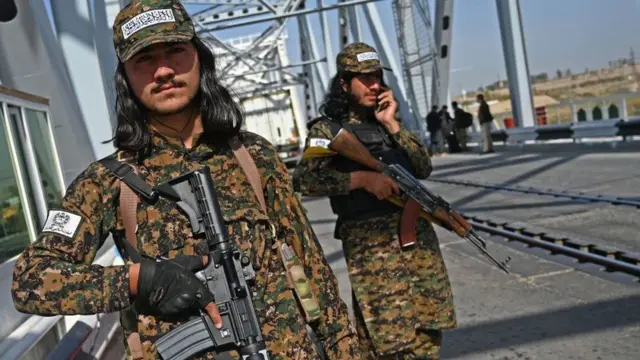
Taliban retake control of Afghanistan in 2021, 20 years after dem dey removed from power through one US-led military coalition.
Di Islamist group seize province after province before taking di capital Kabul on 15 August last year, as di Afghan military collapsed.
Foreign forces, who bin agreed to leave, bin surprise for di speed wey Taliban take move in and gatz accelerate dia exit.
Many Western-backed Afghan government leaders japa, while thousands of dia compatriots and foreigners fearing Taliban rule rush to find room on flights out of di kontri.



End of Di one wey oda users dey read well well
Within weeks, di Taliban take control of all of Afghanistan - something dem bin no fit manage do in dia first operation in power between 1996 and 2001.
Di group bin strike a deal with di Americans in 2020 for US troops to withdraw, following a bloody but ultimately successful guerrilla campaign lasting many years.
Under di deal, di Taliban dey committed to national peace talks, wey never hold, and to preventing al-Qaeda and oda militants from operating in areas wey di Taliban control.
Following di group return to power, Afghanistan economy scata from inside, leaving a huge portion of di population struggling to find enough moni to eat and to access oda important needs.
Billions of dollars in Afghan assets abroad dey frozen as di international community dey wait for di Taliban to honour promises wey dey never fulfil on security, governance and human rights, including allowing all girls to dey educated.
Rise to power
Na for di early 1990's di Taliban, or "students" for di Pashto language, show for northern Pakistan afta di withdrawal of Soviet troops from Afghanistan.
Di believe na say di predominantly Pashtun movement first appear for religious seminaries - mostly paid for by money from Saudi Arabia - wey dey preach a hardline form of Sunni Islam.
Di promise wey di Taliban make - in Pashtun areas around Pakistan and Afghanistan - na to restore peace and security and enforce dia own serious version of Sharia, or Islamic law, once dem get power.
From south-western Afghanistan, di Taliban quickly extend dia influence. For September 1995, dem capture di province of Herat, wey get border with Iran.
And exactly one year later, dem capture di Afghan capital, Kabul, as dem overthrow di regime of President Burhanuddin Rabbani - one of di founding fathers of di Afghan mujahideen wey resist di Soviet occupation.
By 1998, di Taliban bin dey in control of almost 90% of Afghanistan.
Afghans, wey bin don dey tire for mujahideen ways and all di inside-fight afta dem drive di Soviets comot, bin generally welcome di Taliban wen dem first appear on di scene.
Dia early popularity dey largely due to dia success in stopping corruption, lawlessness and making di roads and di areas under dia control safe for market to flow.
But di Taliban also introduce or support punishments in line with dia strict interpretation of Sharia law - such as public executions of convicted murderers and adulterers, and amputations for those dem find guilty of stealing.
Di requirement na say men go grow beards and women get to wear burka wey go cover dem from top to bottom.
Di Taliban also ban television, music and cinema, and no support make girls between di age of 10 and over to go school. Dem accuse dem of various human rights and cultural abuses.
Pakistan don repeatedly deny say dem be di architect of di Taliban enterprise, but little doubt dey say many Afghans wey initially join di movement bin get dia education from madrassas (religious schools) for Pakistan.
Pakistan be also be one of only three countries, along with Saudi Arabia and di United Arab Emirates (UAE), wey recognise di Taliban wen dem bin dey in power for Afghanistan. Dem also be di last kontri to break diplomatic ties with di group.
Al-Qaeda 'sanctuary'
Wia dis foto come from, Getty Images
Di attention of di world dey drawn to di Taliban for Afghanistan afta di 11 September 2001 World Trade Center attacks for New York.
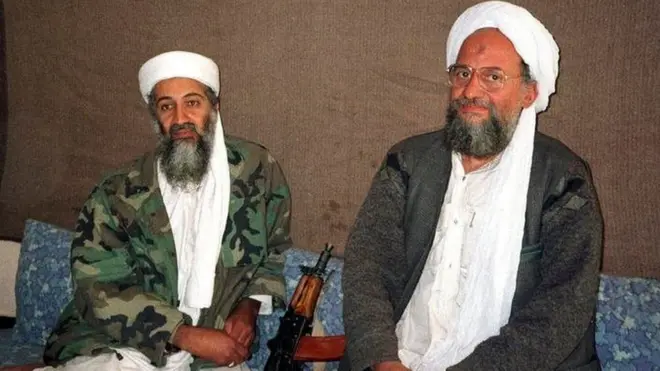
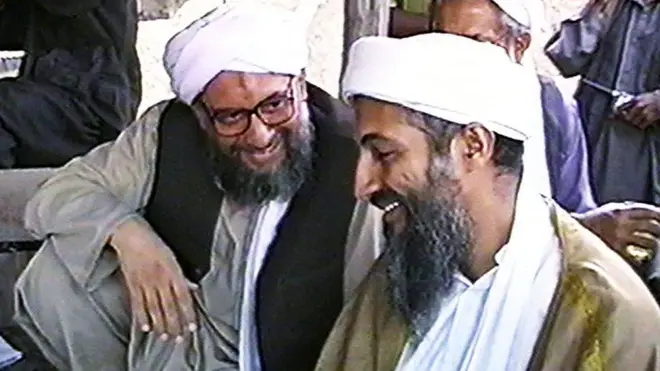
Di Taliban bin dey accused of providing sanctuary for di prime suspects - Osama Bin Laden and im al-Qaeda movement.
On October 7, 2001, one US-led military coalition launch attacks for Afghanistan, and by di first week of December di Taliban regime don collapse.
Di group den-leader, Mullah Mohammad Omar, and oda senior figures, including Bin Laden, escape capture despite one of di largest manhunts for di world. Despite di higher numbers of foreign troops, di Taliban gradually regain and den extend dia influence for Afghanistan, wey make large areas of di kontri dey insecure, and violence for di kontri return to levels wey dem never see since 2001.
Plenti Taliban attacks hapun for Kabul and, for September 2012, di group carry out one high-profile raid on Nato Camp Bastion base.
For August 2015, di Taliban bin admit say dem cover up Mullah Omar death - wey reports say im death na sake of health problems for a hospital for Pakistan - for more dan two years.
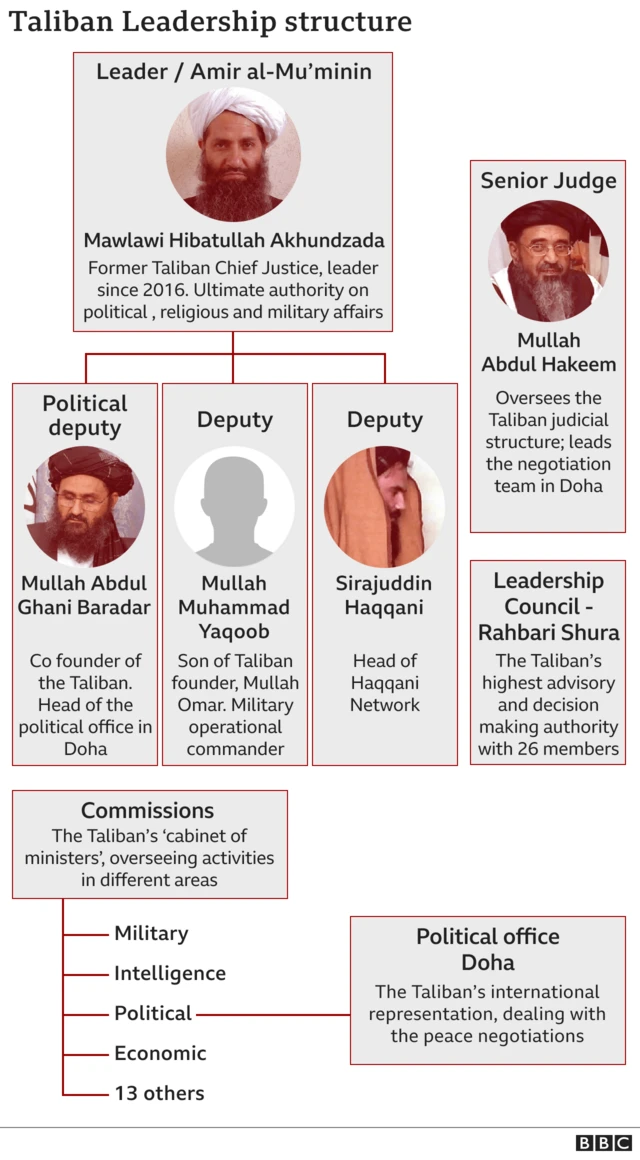
Di following month, di group say dem put aside weeks of infighting and rally around new leader in di form of Mullah Mansour, wey be di deputy of Mullah Omar. Around di same time, di Taliban seize control of one provincial capital for di first time since dia defeat in 2001, taking control of di strategically important city of Kunduz. Mullah Mansour die for US drone strike for May 2016 and dem replace am with im deputy Mawlawi Hibatullah Akhundzada, who remain in control of di group.
Despite serious concerns from Afghan officials over goment vulnerability to di Taliban without international support, di new US president, Joe Biden, announce for April 2021 say all American forces go comot di kontri by 11 September - two decades to di day since dem fall di World Trade Center.
One US intelligence assessment di same month don conclude according to reports say di Afghan goment fit fall within six months of di American military departure. And from wetin dey hapun now, dat assessment fit come to reality.