'My late papa go begin pray for me, e go give me holy water to drink wen my period pain start'
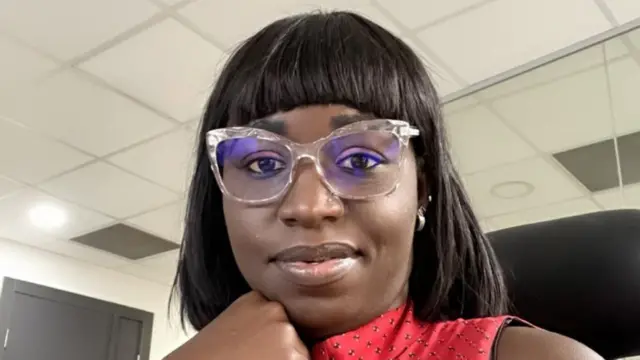
Wia dis foto come from, Tamara Ebiwei
- Author, Annette Arotiba
- Published
- Read am in 7 mins
"Two weeks to my period, I go begin dey get di symptoms, I go start to feel sick and my mouth go sour. By di last week, I no go fit chop, na raw garri and water I go fit take. Den five days to wen di period go start, I go begin feel real pain, and I gatz hold my belle if I dey waka for road."
Tamara Ebiwei wey dey for her late 30s say she don dey struggle wit period pain since she start to dey see her period at di age of 11.
For dis interview wit BBC, Ms Ebiwei say inside di 30 or 31 days wey dey inside one month, she dey feel sick for at least 10 days sake of period pain.
She bin go hospital several times, di medicine wey doctor recommend give her go only relieve her small, but di pain go come again wit more ginger. Now she dey live wit di pain wit di hope say wen she begin dey born, di pain go reduce.
Wia dis foto come from, Getty Images/Grace Cary
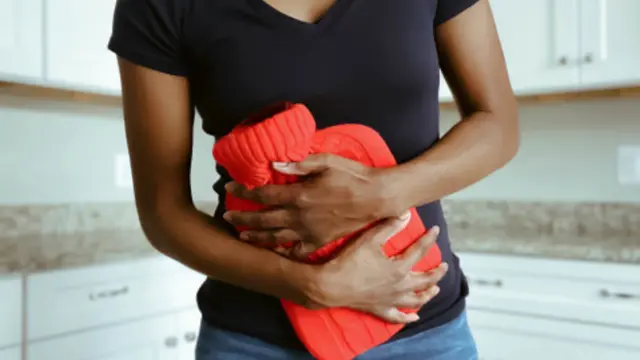
Anoda woman, Princess Temi say di pain wey she dey experience wen she dey see her period worse pass di pain wey woman wey dey for labour dey see. "I go dey cry and dey roll for ground like woman wey dey experience labour but di pain pass dat one.
Rosemary Adewunmi say for more dan 15 years wey she take experience di pain, she no go hospital as dem make her believe say, period cramp dey normal.
Plenti women dey suffer from period pain wey also dey known as dysmenorrhoea. According to di World Health Organization (WHO) 16.8 to 81% of women dey affected by dysmenorrhea.
Science Direct say e dey difficult to determine di exact statistics of women wey dey suffer from dysmenorrhea for di world, however, existing data show say countries like Nigeria bin get 72%, Ethiopia get 68.5%, Saudi Arabia 85.7%, Iran 89.10%, among odas.
One 2025 Oxford study show say teenagers wey dey experience moderate or severe period go likely develop chronic pain for adulthood.
Di University of Oxford discova say dose wey get severe pain at di age of 15 get 76% chances of getting chronic pain by di age of 26.
Although e dey veri common but no be all women dey suffer from dysmenorrhoea. Dr Farida Adulkareem wey follow BBC tok, say di reason na say evribodi get different bodies, and e dey genetic. Underlying conditions like fibroids, endometriosis, ovarian cysts, PCOS, adenomyosis, fit also cause am, she tok.
Also, according to experts, 30-50% of women na im dey get painful periods.
Wetin be period pain?
Wia dis foto come from, Getty Images
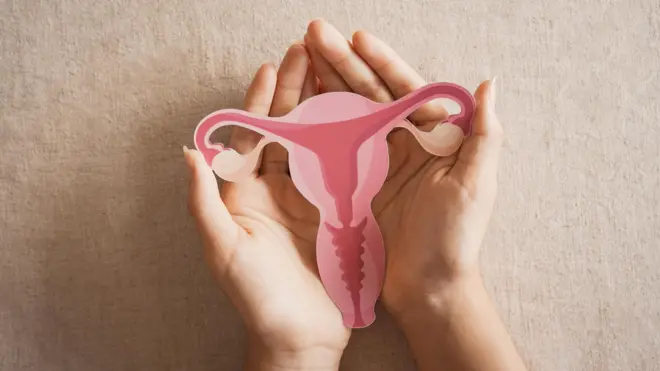
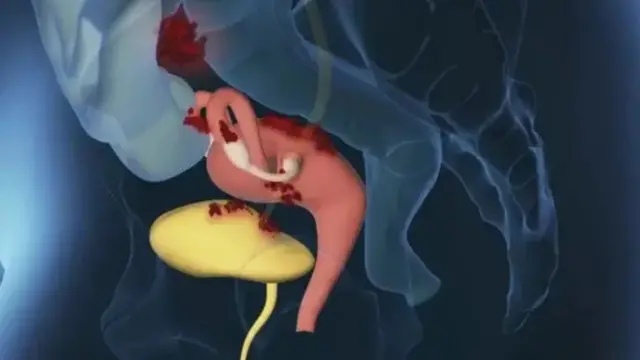
Dysmenorrhea na di medical term for moderate to severe pain wey dey occur during menstruation.
Women dey mostly feel am for di lower abdomen or pelvis and e fit also cause cramping.
Di pain dey serious wen e affect your daily habits like sleeping or going to work.
Na two types of menstrual cramps dey; primary (wey dey relate to adolescence) and secondary (wey dey associated wit diseases).
Dr Liliane Diefenthaeler Herter, head of di Childhood and Adolescence Gynaecology Center for Hospital da Criança Santo, tell BBC say di primary dysmenorrhea usually dey start di day bifor di bleeding or di first day of di period, and e dey last 2, 3 days at most.
Bernardo Lasmar, of di Brazilian Federation of Gynaecology and Obstetrics Associations (Febrasgo), explain say primary dysmenorrhea dey come from wetin dem dey call uterine hypercontractility.
"E no get polyp, no endometriosis, no myoma. Na di uterus wey dey contracts too much sake of series of substances wey dey release during di menstrual period".
In general, dem no dey take primary dysmenorrhea seriously. E dey veri common for teenagers to hear statements like "I too get colic and e pass", "you no get anytin to do am" and "afta you get children, afta marriage, e go dey beta, e dey normal," Lasmar tok.
For di secondary dysmenorrhea, di pain fit last for di duration of di bleeding and e usually dey manifest for adulthood (but teenage girls fit also suffer from am).
"If di cramps start afta di age of 25, if [di woman] neva get cramps bifor and she begin experience am, di probability say na secondary dysmenorrhea, dey higher", Lasmar from Febrasgo explain.
Di same na true, according to am, "if dis colic dey cause increased menstrual flow, pain during intercourse, pain in urinating during menstruation, pain during menstruation".
Apart from dis pains, symptoms like nausea, vomiting, headache, weakness, irritability, mood swings, anxiety and fatigue dey follow secondary dysmenorrhea.
E dey important to find di causes of dis symptoms becos e dey likely to dey related to one health problem, like endometriosis, adenomyosis, pelvic inflammatory disease, myomas, uterine polyps, sexually transmitted infections, malformations or even di use of a copper IUD, e add.
Wetin dey cause am?
Menstrual cramps dey happun wen one chemical wey di name na prostaglandin make your uterus contract (tighten up).
During menstruation, prostaglandin levels dey higher, wey mean say e go make di uterus contract more strongly. Dis contractions dey help shed uterine lining, wey be di blood and tissue wey dey come out from woman bodi during period.
Prostaglandin level dey rise bifor menstruation start, and e go begin reduce once di period start, dat na why di cramping dey ease up afta few days.
Wetin be di symptoms of period pain?
- Pain for di lower back and thighs
- Nausea and vomiting
- Sweating
- Faintness and dizziness
- Diarrhoea or loose stools
- Constipation
- Bloating
- Headaches
Treatment

Wia dis foto come from, Getty Images
Treatment vary as wetin work for one woman fit no work for anoda woman. For Ms Ebiwei, she say how she take dey ease period pain na to lie down for bed face down and force hersef to sleep.
She also say sake of di serious pain, her papa go begin pray for her and give her holy water from Christ Apostolic Church (CAC) to drink.
Ms Ebiwei add say she also dey take hot water, wey plenti sabi pipo confam say dey help reduce di pain.
Some oda women wey follow BBC tok say dem dey use ova di counter products and e dey help reduce di pain.
Dr Abdulkareem however say, management fit involve nonpharmacological treatments like exercise, rest, heat therapy and diet modification. Several forms of pain relief or di use of oral contraceptive pills also dey to treat di pain becos e dey reduce di thickness of di endometrium as e go produce lower concentration of dis prostaglandin, but di best tin na to treat di underlying condition if present, she add.
Belief dey say to dey have sex fit stop di pain, but di doctor debunk am. "Sex no dey cure dysmenorrhea. E fit offer some form of temporary relief due to di release of endorphins during orgasms. However, pregnancy fit help dysmenorrhea as pesin usually no dey menstruate wen pregnant," Dr Abdulkareem tok.
To help women feel more relaxed and comfortable during dia menstrual cycle, some kontris and organisation dey allow women not to work.
For November, di southern Indian state of Karnataka, wey also be home to some of di world biggest IT firms, becom di first state for di kontri to offer paid menstrual leave to all working women in formal jobs.
Under di new policy, women aged 18 to 52 wey dey work for govment and private companies fit take one day of menstrual leave evri month, dem no need medical certificate to get di leave.
Di concept of menstrual leave no dey new. Kontris like Spain, Japan, South Korea and Indonesia already dey offer menstrual leave to women.