Why electronic transmission of election result dey ginger protests for Nigeria
- Author, Annette Arotiba
- Read am in 7 mins
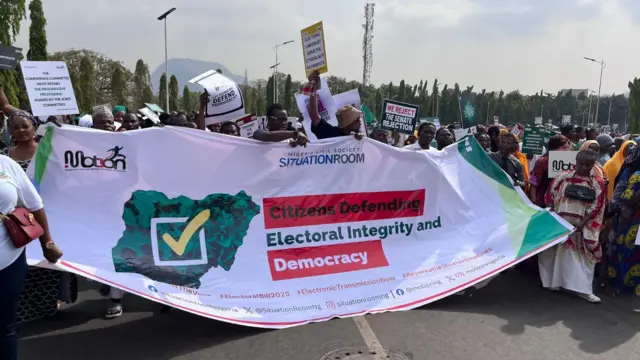
Nigeria dey ginger for protests as opposition parties, civil society groups and labour unions don accuse members of di National Assembly say dem undermine democracy as dem reject one proposal to make di electronic transmission of election results mandatory.
Di controversy start during debates on amendments to Nigeria Electoral Act, wia lawmakers bin vote against one clause wey go need make election results dey transmitted electronically from polling units to one central, publicly accessible system.
Di mata wey start dis gbasgbos na clause 60(3) of di amendment bill.
Di proposed amendment read: "Di presiding officer shall electronically transmit di results from each polling unit to di IREV portal in real time, and dem go do such transmission afta presiding officer don sign and stamp di prescribed Form EC8A and e dey countersigned by di candidates or polling unit agents, where available for di polling unit".
E clearly state say dis must happun afta dem don sign and stamp Form EC8A. Dem dey use Form EC8A to record political party votes for polling units.
Dis amendment na to make electronic transmission compulsory, ensure say na real-time, and link am directly to IReV.
But di senate bin reject dis proposal. Instead, dem adopt section 60(5) of di existing Electoral Act 2022, wey say: "Di presiding officer shall transfer di results, including di total number of accredited voters and di results of di ballot, for di manner wey di Commission prescribe".
Dis version leave evritin to di discretion of di electoral umpire, wey mean say Inec fit choose electronic transmission wia e dey practicable.
Plenty arguments dey ground say several communities for di kontri no get internet to support di electronic transmission of results.
Opposition parties, civil societies, labour unions react

Critics say di rejection of dat clause by di senate go weaken transparency and revive long-standing fears of electoral manipulation.
Many pipo for dia rejection, don condemn di lawmakers for planning to jeopardise di election process through lack of transparency and credibility.
Several groups don describe di decision as betrayal of public trust plus deliberate attempt to retain loopholes wey historically don compromise Nigeria elections.
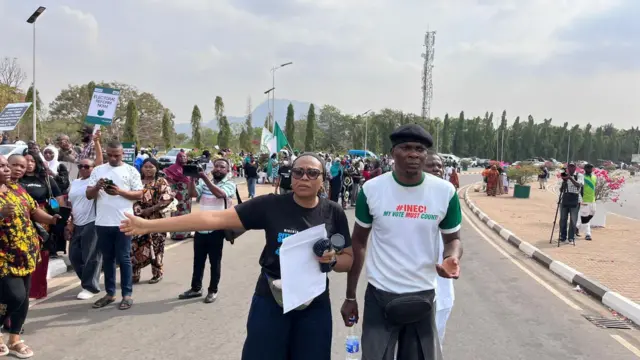
Organisers of di protest tok say demonstrations go hold around di National Assembly complex for Abuja, but some fear say di move fit spread across di kontri.
Civil society organisations and opposition-aligned movements argue say mandatory electronic transmission na critical safeguard for kontri wia dem dem dey often contest di election results.
Critics say di position of lawmakers amount to "an assault on democracy" and rejection of di popular demand for credible elections.
Di Nigeria Labour Congress (NLC), one of di kontri most influential unions, don warn say failure to pass di electronic transmission for law fit trigger nationwide mass action and deepen public distrust for di electoral process.
Opposition supporters, wey include youth-led movements wey emerge afta di disputed 2023 general elections, don also vow to mobilise supporters, as dem insist say elections no fit dey considered free or fair without real-time result transmission.
Nigeria senate clear di air
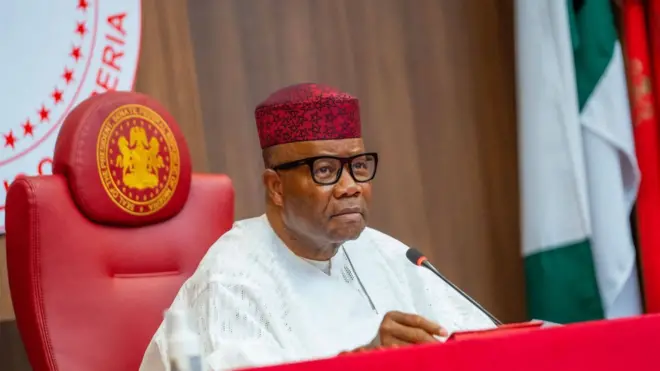
Meanwhile, as di case still dey hot, di senate don clear am say dem no reject di electronic transmission of election results bifor dem pass di Electoral Act (Amendment) Bill, contrary to widespread media reports.
Senate President Godswill Akpabio say dem no reject di electronic transmission of results.
"Dis senate under my watch no reject electronic transmission of results. E dey for my interest as a participant for di next election to do dat kain tin. So, please no go wit di crowd."
Former senate minority leader Enyinnaya Abaribe wey tok on behalf of opposition Senators, insist say di senate approve di electronic transmission of election results in real time, as e say make Nigerians ignore media reports wey suggest otherwise.
Oga Abaribe clear am say di senate no pass di "transfer" of results as contained in di 2022 Electoral Act, but rather dem approve di electronic transmission of results.
"I dey concerned about reports for di media, and dat na why we decide to make dis clarification. Wetin we pass na di electronic transmission of results. I need to make dis very clear," e tok.
Wetin be electronic transmission of results
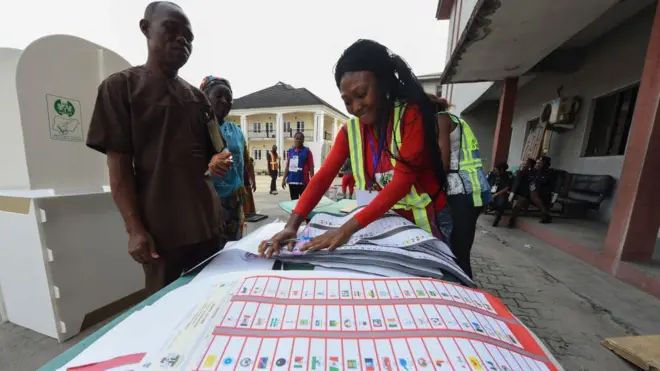
For decades, Nigeria elections dey marred by allegations of manipulation during di collation of results. While voting most time dey go on peacefully for polling units, kwanta dey usually arise later - wen dem move results from one collation centre to anoda.
To address dis, di Independent National Electoral Commission (Inec) bin introduce technological tools like di bimodal voter accreditation system (BVAS) and di Inec result viewing portal (IReV) ahead of di 2023 elections. Di goal na to ensure say once dem count and sign di results for polling units, dem go upload am online for everyone to see.
Electronic transmission of results go allow votes wey dem count for polling units to dey uploaded immediately to di electoral commission database. Dis go reduce opportunities for interference during manual collation.
However, bicos these tools no clearly dey entrenched for law, dia use bin remain discretionary. Dat legal lacuna bicom major problem for 2023.
For many Nigerians, di failure of technology during past elections - or dia selective application – don bicom symbol of systemic weakness.
Critics argue say making electronic transmission optional don leave too much power for di hands of officials and politicians, instead of voters.
Supporters of di National Assembly position cite logistical and security concerns, wey include irregular internet coverage for rural areas.
However, reform advocates tok say dem don use dat line of arguments repeatedly to delay progress while oda sectors of Nigerian society continue to digitise rapidly.
Wetin real-time transmission of election results fit mean for 2027 elections
Dis kwanta dey come ahead of Nigeria 2027 general elections, wey many pipo see as crucial test for Africa most populous democracy.
Analysts warn say weak electoral safeguards go risk fuelling voter apathy, legal challenges and post-election unrest.
Nigeria political landscape dey deeply divided, wit major parties like di ruling All Progressives Congress (APC) and opposition groups wey include di Africa Democratic Congress (ADC) and odas dey locked in deep competition.
For dis environment, di credibility of election results dey central to political stability.
Afta di 2023 election, parties wey no like di outcome of di election bin carry di issue of IReV and di transmission of results reach di supreme court.
For inside one ruling, Inyang Okoro, wey read di lead judgement, clear am say IReV no be collation centre. E clear am say IReV na to give di public opportunity to view polling unit results on election day; therefore, if IReV fails, di election process no stop.
E also say Inec get di power to choose transmission methods. Di court bin interpret sections 60(5), 62(1), and 64 of the Act, wey tok say INEC dey at liberty to prescribe di manner for which dem wan transmit election results.
Di court also rule say di unavailability of di election result on di IReV portal no fit be a basis for nullifying an election, since Inec, police and party agents get di hard copies.
These rulings don make am very clear say under di current law, electronic transmission dey optional.
Courts no go force am. Dis na why critics want make di amendment close dat loophole.
By refusing to mandate real-time transmission, critics believe say di senate dey keep di same legal weakness wey di courts identify.
Dis na why dis amendment dey very important, as many pipo see am as chance to prevent wetin happun for 2023 to happun again for di upcoming 2027 elections, and dat na why protest dey occur.
Although, no single party dey formally lead dis current protests, dem reflect broader frustration wit Nigeria political elite and long-standing demands for reform.
For many Nigerians, dis issue don bicom a defining moment – no be just about technology, but about weda di kontri leaders dey willing to protect di integrity of di vote or allow citizens to further lose hope for democracy.
Meanwhile, di Nigerian Senate don announce emergency plenary session for Tuesday, 10 February.
Believe dey say di purpose of di emergency session na to formally adopt di Votes and Proceedings of di 4 February sitting, wen dem pass di Electoral Bill.
Without di formal adoption of di Votes and Proceedings, di Conference Committee wey dem establish to harmonize di senate position wit dat of di House of Representatives no go fit go ahead wit dia work.
Sabi pipo say dis action by di senate align wit calls from citizens wey bin call on di Senate to recall members from di recess and conclude dis important national duty.