Lawmakers proposal of new Electoral Act wey go change election date and odas
Wia dis foto come from, BENSON IBEABUCHI/AFP via Getty Images
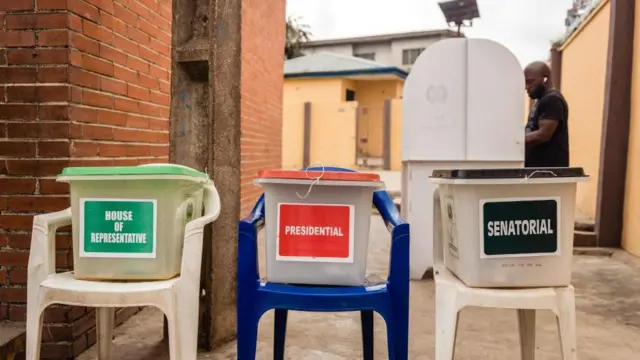
Nigerian lawmakers don propose amendment to di Electoral Act wey be wetin dey guide di conduct of election.
Dem unveil dis proposal wey dey di Electoral Act (Amendment) Bill 2025 on Monday, during one joint public hearing wey dey organised by di Senate and House Committees on Electoral Matters for Abuja.
Lawmakers, civil society groups and oda stakeholders bin attend di session for Abuja.
Di bill wan excuse di 2022 Electoral Act and propose a new Electoral Act 2025.
Wetin dey di bill di lawmakers dey propose
Wia dis foto come from, AUDU MARTE/AFP via Getty Images
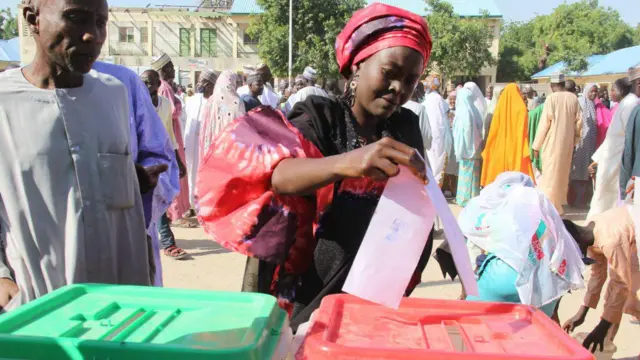
Di new proposal want make dem conduct di next elections for November 2026 instead of for February 2027.
According to Section 4(7) of di proposed amendment, "elections into di office of di president and govnor of state no go hold later dan 185 days bifor di expiration of di term of office of di last holder of di office."
Chairman of di house Committees on electoral matters, Adebayo Balogun, explain say di move na to "ensure say all manner of election litigations dey done wit bifore dem go swear in di winners."
E tok say di National Assembly plan to amend di 1999 Constitution na for dem to shorten di timelines for election petitions, since di tribunal judgments fit reduce am from 180 to 90 days, den court decisions also fit reduce am from 90 to 60 days.
Adebayo Balogun explain say under di proposed amendment, di entire judicial process no go pass 185 days and ensure say elected members don comot from office.
Lawmakers dey also propose make dem stop di use of Permanent Voters Card (PVCs), - wey be compulsory means of identification for voters during elections - and begin use National Identification Number (NIN), Nigerian passport, or birth certificate as means of identification for voting.
Dis proposal wan amend di 2022 Electoral Act, di lawmakers argument be say since di Bimodal Voter Accreditation System (BVAS) no dey recognise di microchip wey dey inside di PVC, di card no suppose be mandatory means of identification.
During di national public hearing, Prof. Abdullahi Abdu Zuru, chairman of di Board of di Electoral Institute (BEI), also give some recommendations to di lawmakers based on di institution review.
"For example, one of di tins we tink we need to look at na di review of section 471 of di Electoral Act 2022 to modify di mandatory requirement for di use of PVCs to vote and di introduction of electronically downloadable voters cards with di BVAS," e tok.
"We tink say dis (PVCs) cards no longer dey necessary and becos of some oda reforms wey we want go allow more pipo to vote, becos dis particular section dey prevent pipo from voting."
Electronic transmission of results
Di proposed amendment also introduce mandatory electronic transmission of election results
Di proposed amendment explain say presiding officer go transmit di results to di next level of collation both electronically and manually.
E also include say e go become an offence to distribute unstamped ballot papers and result sheets for polling stations, wit offenders liable to one year imprisonment or one million naira fine — or both.
Penalty for violating di campaign blackout
Di proposed amendment go also ensure say any candidate wey campaign 24-hours or on di day of election face penalty.
Also any attack on journalists go face di prosecution of di law and collations officers wey try to do mago-mago during di election go face prosecution.