Make di world dey eat less rice?
Wia dis foto come from, Getty Images
- Author, By The Food Chain Programme
- Role, BBC World Service
- Published
- Read am in 6 mins
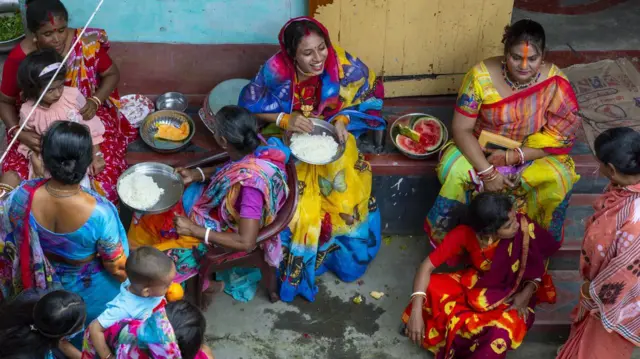
Rice pass more dan just food. For ova half di world population, na staple of daily life – na symbol of culture, tradition, and economic survival.
"Rice na di absolute heartbeat of every Filipino dish. E pass staple food, na cultural cornerstone," Adriene Bianca Villanueva, one BBC World Service listener from Manila, di capital of Philippines tok.
"Most Filipinos dey chop rice three times a day – breakfast, lunch, and dinner. Even dessert. My favourite rice go probably be sticky rice, sake of say na every Filipino dessert, dem write sticky rice on top" she tok.
But as climate pressures dey mount, one pressing question na: Make we dey chop less of rice?
Global staple dish
Wia dis foto come from, Getty Images
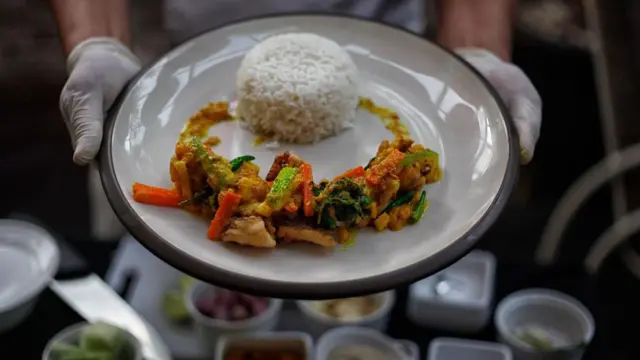
According to di UN Food and Agriculture Organization, e get ova 50,000 edible plant species, yet just 15 crops dey provide 90% of di world food energy intake. Rice, wheat, and maize na di top contributors.
"Between 50 and 56 percent of di world population rely on rice as di principal staple," Dr Ivan Pinto, Director General of di International Rice Research Institute (IRRI) tok. E dey equal to nearly four billion pipo wey dey eat rice as dia primary food every day.
Dem dey plant rice on large scale across South and Southeast Asia, as growing demand dey for Africa and varieties also present for Europe and Latin America. But rice dominance in global diets come wit a cost.
A thirsty crop
Wia dis foto come from, Getty Images
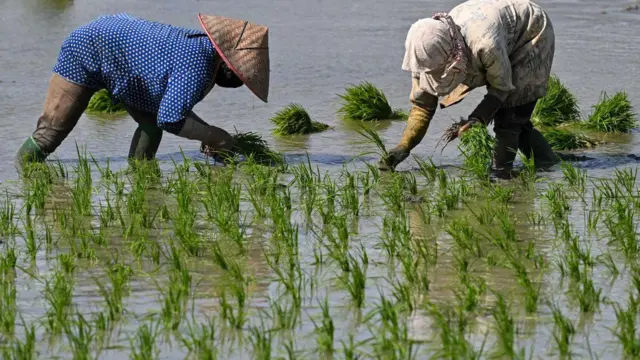
"Rice na very thirsty plant," Jean-Philippe Laborde, managing director of Tilda, one UK-based rice company wey belong to Spanish multinational Ebro Foods explain.




End of Di one wey oda users dey read well well
"E dey consume between 3,000 to 5,000 litres of water per kilogram of rice grown, wey be a lot."
Majority of rice production dey happun for flooded fields, particularly for South and South East Asia. Dis method dey support di crop but also dey create environment wit low oxygen, wey dey known as anaerobic conditions.
"Wen fields dey flooded… microorganisms proliferate dey produce large amounts of methane," Dr Ivan Pinto tok.
Methane na potent greenhouse gas, wey dey responsible for about 30% of global warming, according to di International Energy Agency.
IRRI estimate say rice production account for 10% of agricultural greenhouse gas emissions worldwide.
Greener methods
Wia dis foto come from, Getty Images
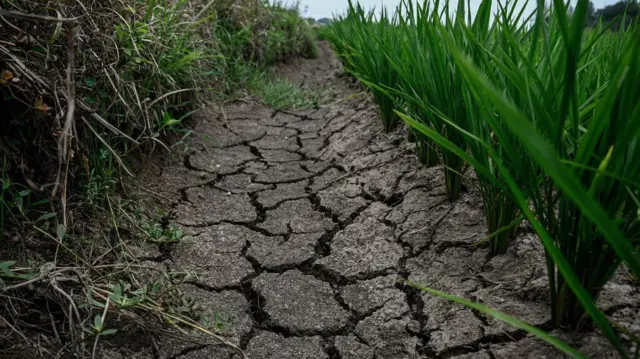
Tilda don dey try one water-saving method wey dey known as Alternate Wetting and Drying (AWD). E involve to put pipe 15cm below di ground. Instead of di constantly flooding fields, farmers go irrigate only wen water no dey in di pipe.
"Normally you get 25 cycles within your growth period," Laborde tok. "By applying AWD technique, you fit reduce dat to 20. So, by cutting five [flooding] cycles, you fit save methane emissions."
In 2024, Tilda bin expand im trial from 50 to 1,268 farmers. Di results dey striking.
"We fit reduce di water [usage] by 27%, di electricity by 28%, and fertilisers by 25%,"Laborde. E points out say yields in di meantime increased by 7%.
"So, na not just to increase di revenue wit a higher cost, di increasing revenue wit lower cost," e tok.
Laborde underline say methane emissions also dey drop by 45% and e believe say dis fit fall by as much as 70% if flooding cycles dey reduced even further.
Climate stress
Wia dis foto come from, Getty Images
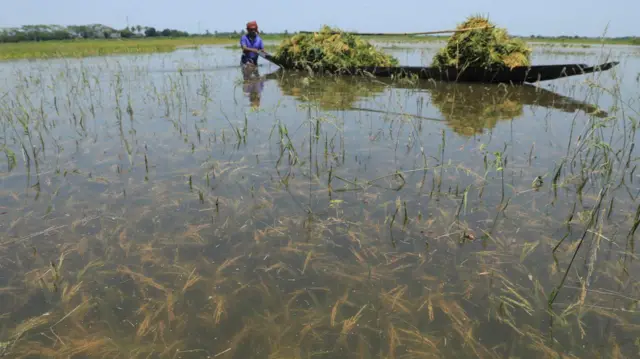
While rice dey help feed billions – particularly through high-yield varieties like IR8 from di Green Revolution – climate change now dey threaten di production, as rice dey grow for regions wey dey experience intense heat, drought, heavy rainfall or floods.
For India, temperature bin reach 53C during di rice-growing season for 2024. In Bangladesh, more frequent and intense floods dey spoil crops.
IRRI dey turn to dia vast gene bank of 132,000 rice varieties to find solutions. One key breakthrough na gene wey dey allow rice plants to survive underwater for up to 21 days.
"Dis varieties fit persist under flooded conditions long enough for di floods to recede, without affecting yield, "Pinto, add say dem dey increasingly popular in flood-prone regions of Bangladesh.
Alternative staples
Wia dis foto come from, Getty Images
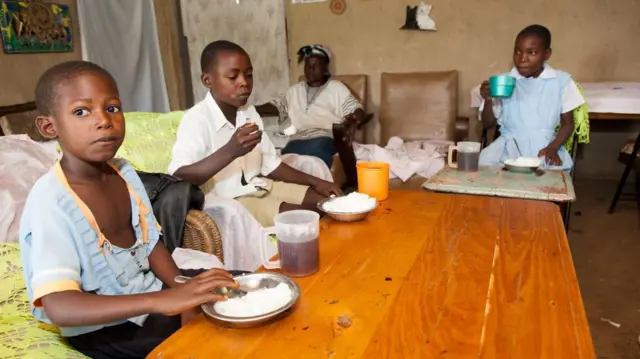
Some govments don try to encourage populations to move away from rice.
For Bangladesh, goment bin carry out one campaign 15 years ago as part of attempt to promote potatoes as alternative, as di price of rice bin dey go up steadily.
"We love potatoes… but entirely to dey chop only potatoes instead of rice no be sometin pipo dey reason," Dhaka resident Shareef Shabir recall.
China bin launch similar initiative to for 2015, promote potatoes as a nutritious superfood.
Di kontri bin become leading producer of potatoes in di 1990s and for many parts of di kontri, pipo don dey used to eating potato as a staple food. Yet, di campaign still fail.
"For south-west and north-west China, pipo there dey occasionally chop potatoes as staple," Jakob Klein, one anthropologist for SOAS University of London.
But, e say, for many areas di potato dey linked wit poverty.
"Pipo for di south-west of China tell me say dem grow up eating potatoes. Dat way na to say 'I grow up in poverty'. Stigma dey associated wit eating potatoes," e tok.
Difficult choice
Wia dis foto come from, Getty Images
Globally, rice remain deeply embedded in pipo lives. E dey tasty, easy to cook, store and transport.
Di world dey consume an estimated 520 million tonnes of rice annually.
In di Philippines, Adrian Bianca Villanueva admit say while she fit cut back, to give am up dey difficult.
"Even if I no wan eat rice, if I go to party or different house, dem go always offer rice," she tok.
"I think I go eat less rice – but not totally take am out, sake of say na part of our daily lives."