Sons dey kill dia mothers pass strangers - Report
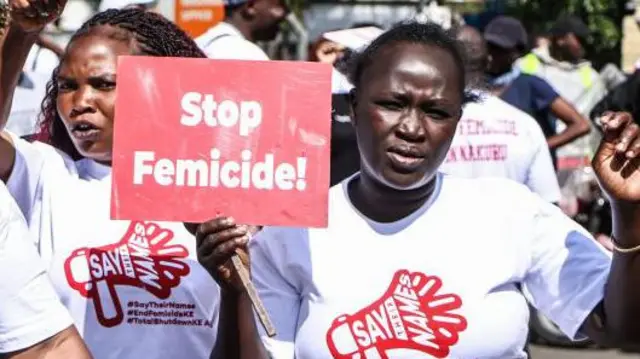
Wia dis foto come from, James Wakibia/SOPA Images/LightRocket via Getty Images
- Author, Helen Richardson
- Role, BBC North East Investigations
- Published
- Read am in 6 mins
Sons dey kill dia mothers dan strangers, according to new figures from campaign group wey dey look into violence against women.
Di latest report by Femicide Census say, of 121 women wey men kill for 2022, 12 dey killed by dia sons and 11 na from someone wey dem no sabi.
Di organisation executive director Dr Karen Ingala Smith say for evri woman wey son kill e get "many more wey dey live wit and endure serious violence and abuse".
One mother from di Midlands say her son na two years wen e first hit her and e get "only so many times social services fit tell you say notin dey wey dem fit do".
Di 34-year-old say: "No be how dem bring us up. We no just know how to get out of am."
"Her family spend two years to ask di authorities for support and fit CCTV cameras for dia home wen dem feel unheard, she say.
"Dem criticise us for using di police too much," her partner say.
Despite more dan 60 police call-outs, di couple say di Crown Prosecution Service (CPS) refuse to prosecute dia autistic teenage son becos "E no dey for di public interest".
"Dis na full-on assaults, GBH, ABH, sometimes strangulation," di boy step-father say.
"But dem tell us to sit and watch an hour of TV wit dem. Show dem say you still love dem."
Dia son go into care dis year afta one incident wey step-father "tink say e go murder" im mother.
"She dey on di floor, dey step on am, from head to foot," e say.

Wia dis foto come from, PA Media
Femicide Census study say most female victims dey killed by partner (27) or spouse (24), or former partner (10) or former spouse (1).
Di next most common category of violence include women wey dia sons kill (12) or fathers (1).
Di study look at men wey dey convicted of killing women, men wey dem find say dem dey responsible for death by inquest, and men wey be di prime suspect or wey dem charge in relation to death in cases wey no dey concluded.
Dr Ingala Smith say di organisation dey "deal wit di tip of di iceberg" as e get "many more" cases of violence wey no result in death.
"Women wey be victims of dis abuse fit no recognise am as form of domestic violence and abuse and fit not tink say existing support services go dey available to dem," she say.
"In fact, sometimes dem dey right, too few services such as di police, health, local authority homelessness and even domestic violence and abuse services adequately recognise di extent and potential severity of son-to-mother violence and dem no get specialist wey get tailored support to deal wit am."

Wia dis foto come from, Supplied
Di govment say dem go reduce violence against woman and girls by half ova di next 10 years.
Minister for Safeguarding and Violence Against Women and Girls, Jess Phillips say: di scale of di issue na "notin less dan national emergency".
"Na why we dey pledge to reduce violence against women and girls in decade, including tackling child to parent abuse through effective system to ensure problematic behaviours and victims dey identified early, and services respond effectively to stop harmful behaviour make e no kontinu or get worse."
Di govment also plan to address di policing and criminal justice response to domestic abuse "to ensure say more victims dey protected and more perpetrators dey punished".
Wia dis foto come from, Getty Images
'Neither of us dey safe'
Previous data from Femicide Census suggest say far fewer women dey killed by adopted sons dan biological sons - three, as opposed to 172, ova di period of di earlier study.
Di latest survey no give comparable figures, but Dr Ingala Smith say di organisation believe di difference na becos say biological mothers find am veri difficult to "close di door" on dia child.
While dem no wan "undermine any relationship between step-parents and sons or daughters", she believe biological mother "fit remain di last pesin to have your back", she tok.
"Mother dey likely to know say she be her son last remaining option."
Number of adoptive families don tell di BBC say dem dey face repeated violence, and in some cases, dem feel say dem no get choice but to return dia child to care.
One mother say she dey "battered and bruised, threatened wit knives" while anoda say na "brutal, terrifying experience to live for fear of your own child, while still loving dem deeply".
One couple wey don adopt pikin say dem dey "completely broken" and dem "leave to get on, wit no support".
Anoda mother from di north-east of England, wey adopt her daughter as baby almost 10 years ago, say di child don start to dey hit and headbut her wen she be three.
Within six months di mother agree to turn off di electricity and sleep wit di kitchen knives hidden under her mattress to keep dem away from her daughter.
"I dey at risk assessing to di max, to keep us both safe and prevent her make she no do sometin to me say she go regret for di rest of her life," she say.
Di 53-year-old say for four years she repeatedly ask di authorities for respite care but dem only offer parenting courses.
"Neither of us dey safe," she say.
Di law for England no currently recognise say under 16s dey capable of domestic violence, although e get calls make dat change.
No authority for England get statutory duty to help families and support different around di kontri.
Therapists, academics and social workers caution against physical restraint and say early intervention dey preferable.
But Durham University researcher, Nikki Rutter, say e dey "veri rarely occurring for many local authorities".
"Dem dey deal wit di problem wen e reach crisis, rather dan to prevent am," she say.
"[Parents dey] cry out for help, quite often from di child for four years old, and notin wey dem dey do."
Without statutory duty to help, services fit say issue no be dia responsibility or say dem dey commissioned to provide support, she say.
"For families, it gatz feel like way out no dey," she add.
Di adoptive mother conclude say her only way out na to end di adoption.
"I drop her for school and I say goodbye to her," she say.
For her mind she don decide: "I no dey pick her up."
Di mother inform di school and social services but say she go neva recova from di decision to return her daughter to care.
"I give up evritin for my life for my child, and e no dey enough."