Wetin to do and wetin you gatz avoid if you no fit sleep for night

Wia dis foto come from, Getty Images
Maybe you no fit just sleep off, or maybe you wake up for middle of di night and den no fit sleep off again.
Sleeplessness, or insomnia, na issue wey fit affect many of us at some point in our lives – but for some e dey go beyond short period say pesin no dey able to sleep and become sometin more serious.
Some oda factors dey wey fit determine why we dey get insomnia, wen to ask for help and how factors like ageing, di need to urinate for night, di menopause, or shift work play role.
Di BBC Inside Health team bring one panel of experts togeda – wit some surprising advice.
Top tips from di experts:
- Dr Faith Orchard, lecturer in psychology for Sussex University:
"Wen I no fit sleep, na normally sake of say dem don wire my brain and I dey overthink. So I fit pick up one book and just read until I feel ready to relax a bit more."
- Dr Allie Hare, president of di British Sleep Society and consultant physician for sleep medicine for di Royal Brompton Hospital for London:
"Wen I no fit sleep, na usually sake of say my husband dey toss and turn and snore for bed. So I fit just use di 'sleep divorce technique' and I go and sleep for di spare room."
- Colin Espie, professor of sleep medicine for Oxford University:
"Wen I no sleep well, I fit just get up and go back to bed again to reboot di system, and na usually sake of say e get sometin wey dey my mind. I guess say dat na true for most pipo."
Prof Espie get dis definition of insomnia: "If one bad night turn into several, and several weeks turn into three months or more, we dey call dat insomnia."
Insomnia dey present for some different ways, Dr Orchard tok: "We dey typically think of say di idea say pesin no dey able to sleep in di first place, but di reality na say insomnia na about to fall asleep and stay asleep. So for some pipo e fit present as make pesin wake up for middle of di night, struggle to get back to sleep or wake up too early for morning and den no get back to sleep at all."
Insomnia symptoms dey really common, Dr Hare add, wit about 50% of individuals wey dey experience insomnia symptoms.
If you dey struggle wit sleep on more dan three nights per week for more dan three months - and e dey affect your life di next day - den time don reach to seek medical attention.
She recommend to start wit your local pharmacist, den your doctor, and look up digital resources on sleep.
Wetin dey happun inside brain wey dey cause insomnia?
Wia dis foto come from, Getty Images
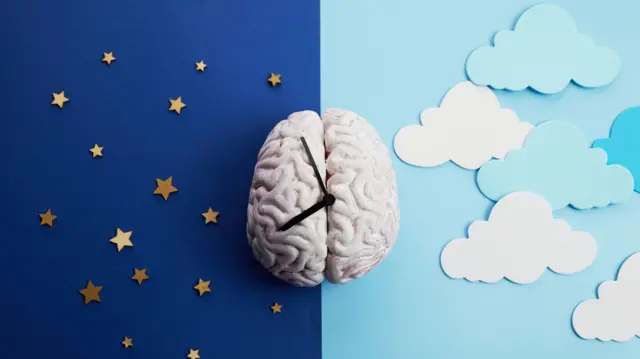
Two processes dey wey fit help us to fall asleep and wake up, Dr Orchard tok: dem be "our sleep hormones wey dey trigger di sleep and di pressure wey we don build up throughout di day, and dis two processes suppose work nicely togeda.
If dem dey out of sync - for example if we nap for afternoon or di evening - di processes fit no dey lined up and e fit dey harder for us to sleep".
"Di oda tin wey dey happens for insomnia wey fit external triggers or factors, like stress."
Prof Espie also say one evolutionary na di reason for insomnia: "We still heavily depend on sleep.
Evolution neva do away wit sleep. In fact, we dey get rather plenti of sleep; dat na sake of say we get big brains wey require plenti assistance.
"But we neva comot di threat response, so if sometin dey on your mind, den your brain kind of dey tell say you wan stay awake and think about sometin wey dey worry you sake of dis worry fit dey serious, e fit dey threatening."
Dr Hare also note say some health conditions fit get impact: "I no fit say necessarily say one typical individual wit insomnia, but we sabi say pipo wit chronic health conditions, chronic pain, dey more likely to struggle wit dia sleep; we know say insomnia dey often dey dangerous dey happun wit anxiety and depression and oda mental health conditions."
And Prof Espie say age fit also be factor: "Di sleep system ages, and di body clock system ages as well.
Di sleep system need do wit di amount of sleep and di depth of your sleep, and di clock system na about di timing of sleep. Wetin happen as you dey old na say sleep get naturally a little bit more break-up.
"But di clock also dey age so dat teenager fit fall asleep late and wake late, but older adult fit fall asleep earlier and wake earlier for morning and dey struggle to go back to sleep."
Prof Espie add say genetics might also play role: "Vulnerability to stress, vulnerability to arousal or hyper-arousal fit get trait characteristic and you see say for families.
E get some evidence say our chrono type – di morning pesn wey be di lark, di evening pesin wey be di owl – say those kind tins can run in families, but insomnia is much more multi-factorial."
Wetin to do if you no fit sleep
Wia dis foto come from, Getty Images
So wetin you go do if you fit get back to sleep afta you wake up for middle of di night?
Prof Espie explain say e get certain paradox to try to fall asleep.
"Towards di morning, our sleep drive dey reduce, plus you somehow begin to overthink am, think 'I fit get back to sleep' and dat become one of di enemies of sleep, sake of say no-one, in my experience, fit get to sleep, you fit only ever fall asleep. And wen you try to get to sleep, you remain awake and I suspect say part of di difficulty here."
So di best solution – believe am or not – na to decide to stay awake. You fit resist sleep and allow am to come naturally, e tok.
"You blush more wen you try not to blush, you stutter more wen you try not to stutter… So dis tell us sometin really, really important, say mental processes get in di way, and say we need to follow di right kind of behavioural pattern [for] di habit to form and to take hold without our sustained attention to am. And dat na how you become, if you like, good sleeper."
Simple tins we fit do to help to train ourselves into good routines, Dr Orchard tok.
Consistency na one tins to work on: go to bed for consistent times, and wake up same times.
And also dey consistent on wia we sleep, let di brain know wia we sleep and say di place wia e happen try to avoid to dey nap on di sofa, try to avoid dey work on di bed, she tok.
Dr Hare also say if you wake and e no feel like you dey about to get back to sleep, make you no get up and do sometin else for half an hour or so before you return to di bed: "If you awake and you know am, den get out of di bed."
Wat about drugs? Neither Dr Hare nor Prof Espie dey particularly in favour, say cognitive behavioural therapy - one type of psychotherapy wey dey help pipo manage problems by changing how dey think and behave - na one of di best ways to address sleep difficulties.
"Di best evidence treatment for insomnia na cognitive behavioural therapy, and e dey work for 70-80% of individuals, and 50% of dis pipo see one complete remission of dia insomnia," Dr Hare tok.
Prof Espie say some patients do believe therapy would work better pass drugs: "But actually if we just take one example of one technique within CBT… wey dem dey cal sleep restriction therapy… we encourage pipo to go sleep for much shorter periods of time until di sleep bind togeda again, to stay up a bit later, to get up a bit earlier."
Some pipo swear by magnesium and say take bedtime fit really help to get good night sleep. But Dr Orchard say no much research on dis, only relatively small-scale studies.
"Di findings na wetin we dey call small effects, so we no see big change on sleep. So we go say di evidence dey pretty inconclusive at di moment," she tok.
Wetin dey about melatonin, wey dey available over di counter in many countries, while for odas e must dey prescribed?
Dr Hare tok say: "Dis relate to di question about magnesium and di impact wey e get for [some people] be say sleep quite suggestible. So e get very powerful placebo effect wit many of dis supplements and medication."
Oda factors or conditions wey dey impact sleep
Wia dis foto come from, Getty Images
Wat about tins like di menopause, alcohol or night shifts? How dem dey impact sleep?
Dr Hare reveal say di menopause fit dey really difficult time for women and fit affect sleep – both how long dem able to sleep for and how much dem dey awake for night, how dia sleep dey break, she tok.
"Part of related tins like hot flashes wey fit really disrupt sleep, partly… sake of hormonal changes, but also partly sake of mood changes, either related to di menopause, but also sake of di way our lives fit become more stressful around menopause; we dey usually dey between young children and parents - lots of caring responsibilities."
Wen e come to alcohol, Dr Orchard say e fit change di way our sleep dey set up, example di amount of time wey we dey spend for different stages of sleep.
"But alcohol fit affect lots of oda parts as well, so for example di need to go to di toilet; also e dey relax di muscles, e fit make us snore, and e fit affect di hormones, wey again be all part of dat crucial process of getting to sleep and stay asleep," she tok.
On di kwesion of night shifts and di healthiest way to manage sleep if you work unsocial hours, Dr Hare suggest to try to "optimise core sleep": "So, for example, wen you dey work night shift and you dey able to sleep for your normal time, try dey optimise dat, [make] better use of naps na one of di few times wia we dey usually recommend napping."
On how to cope wit disturb for sleep sake of say to wake up for night by young children, Dr Orchard say parents of young children need time for demsef plus time to sleep, so e also be kwesion of catching up on sleep wen you fit:
"Sometimes you need nap to make sure say you get enof sleep to look afta yourself and your child. I think say e dey little bit different for each pesin" - and remind yourself say period na also one day pass!
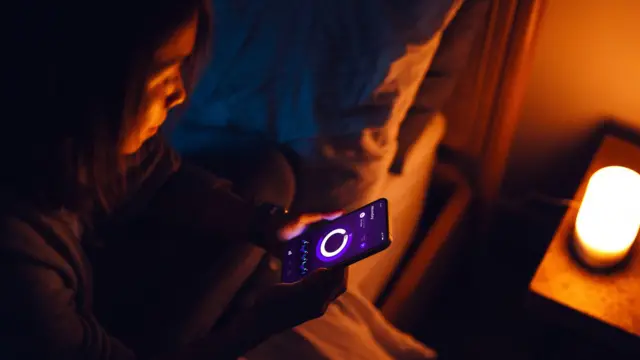
And one kwesion of blue screens and screens from devices wey fit keep us awake, Dr Orchard tok:
"Wetin we dey gradually learn na say mostly di problem seems to come from di activity say we dey do rather dan di light wey comes up [on] di device. So if we dey on phone, but we dey do one activity wey dey quite calming and relaxing, say to go get much less effect on us to fall asleep dan if we dey do sometin on di device, dey very stimulating."
Credit: BBC Radio 4 Inside Health programme