How many war Israel and Lebanon don fight and why?
Wia dis foto come from, Getty Images
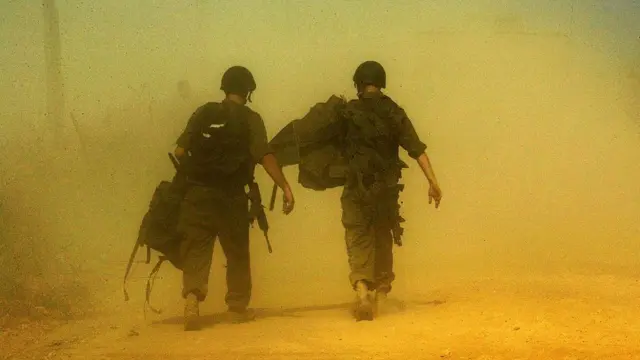
Israel start one ground invasion of Lebanon, afta days of bombardment of dia neighbour and targeted operations against di Hezbollah militant group.
Dis no be di first time dis kain tin dey happun and previous campaigns don produce mixed results.
So, how dis previous invasions different from odas?
1978: Di first invasion
Wia dis foto come from, Getty Images
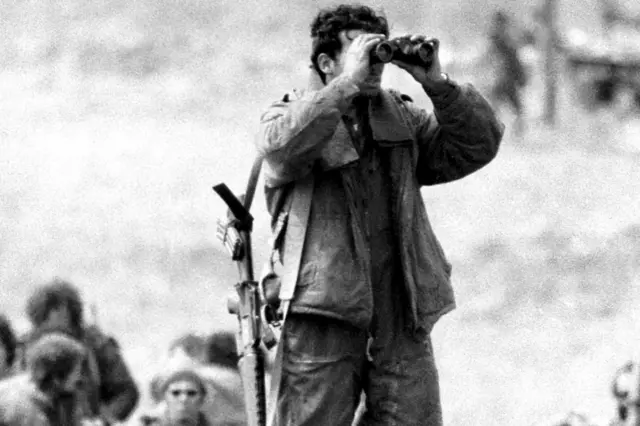
Lebanon become di main site for Palestinian refugees afta di creation of di State of Israel for 1948. Di refugees include Palestinian militias, like di PLO.
Diz militias attack Israel from Lebanon, na dat tin cause di kasala between di two kontris. Israel invade Lebanon for di first time for1978 in response to attack by one paramilitary group di Palestine Liberation Organisation (PLO), wey seize one bus afta dem make a beach landing. From di violence, 38 Israeli civilians die for wetin dey known for Israel as di Coastal Road massacre.
Israeli forces go into southern Lebanon and pull back two months later. Dem create wia dem fit hide within dia neighbour, and dem stay dia until 2000.
Dis first invasion bin lead to up to 2,000 combatants and civilians wey die on Lebanese side. For Israeli side, 18 sojas die.
1982: Di biggest invasion
Wia dis foto come from, Getty Images
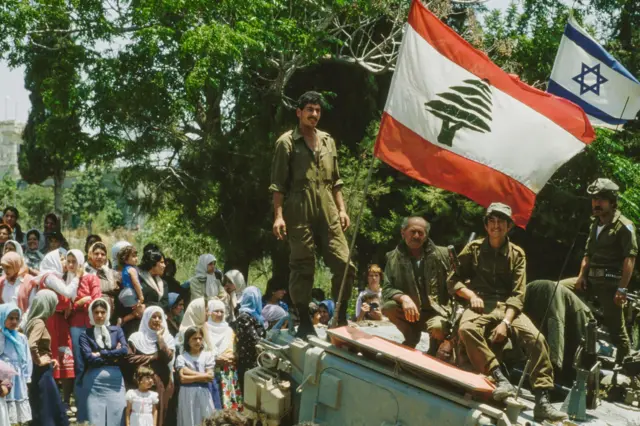
Israel main operation for Lebanon bin take place for 1982, during di Lebanese Civil War.
Thousands of Israeli sojas along wit hundreds of tanks and armoured vehicles, cross di border, primarily to again drive back di PLO, wey kotinu to attack Israel from Lebanon.
Israelis objective na to target PLO positions to stop dem from attacking Israel.
Israel forces penetrate on multiple fronts and dem bin dey able to reach di outskirts of di capital, Beirut within a week.
During di attack, Israeli troops bin dey responsible for di massacre of Palestinian refugees.
Di Israelis pull back three months later, creating one buffer zone within Lebanon.
On Lebanese side, up to 20,000 pipo die, mostly civilians. On Israeli side, 654 sojas die.
1996: One new enemy and one new invasion
Wia dis foto come from, Getty Images
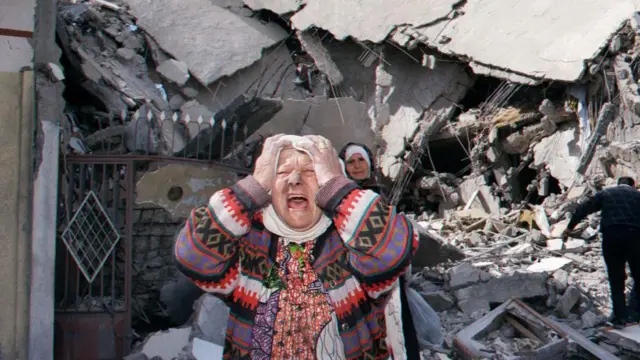
Israel 1982 invasion, dem succeed to displace di PLO, wey move to headquarters from Lebanon to Tunisia. But afta dis, na im di offensive paramilitary group Hezbollah start, dem also hold Israel as dia enemy and look to attack am.
For April 1996, Israeli forces go against Hezbollah for di first time, in response to rocket attacks by di group. Di attack bin dey limited for operation wey last just ova two weeks.
Again, civilians suffer - thirteen Hezbollah fighters and up to 250 civilians die on di Lebanese side. Israel no suffer any osses.
Israel and Hezbollah no still dey gree as dem dey para for each oda, like di rocket attacks by di Islamic militants and bombardments by di Israeli Air Force.
2006: 34 days of war

Wia dis foto come from, Getty Images
Den for July 2006. As well as shelling Israeli towns across di border, Hezbollah fighters cross di border and attack two military vehicles, wia dem kill eight sojas and take two hostage.
Israel respond wit massive airstrikes and artillery fire on targets throughout Lebanon, for air and naval blockade, and a ground invasion of southern Lebanon.
Di war last for 34 days and end for ceasefire.
About 1,191 pipo die for Lebanon, majority of dem civilians. On Israeli side, 121 soldiers and 44 civilians die.
Wetin military experts tok?
Wia dis foto come from, Getty Images
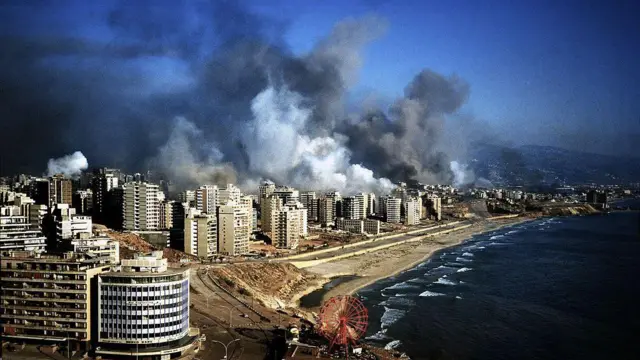
Israel action against Hezbollah don change di balance between di two kontris for now, according to BBC International Editor, Jeremy Bowen: "...for di last couple of weeks, Israel don scata Hezbollah organisation, dem destroy half of dia weapons, according to American and Israeli authorities; and invade Lebanon."
Israeli military analyst Yoav Stern tell BBC say im believe say na a similarstrategy to 2006, wit a limited attack, wey set di tone again dis time - as opposed to di massive deployment of 1982.
"E go be a slow, cautious and calculated invasion, including occupying towns for southern Lebanon one by one, instead of launching a rapid and comprehensive invasion on di main axes," Stern tok.
Im add say Hezbollah dey stationed for towns of southern Lebanon for a long time, to prevent di possibility of Israel occupying dis towns and leaving them quickly.
Wia dis foto come from, EPA
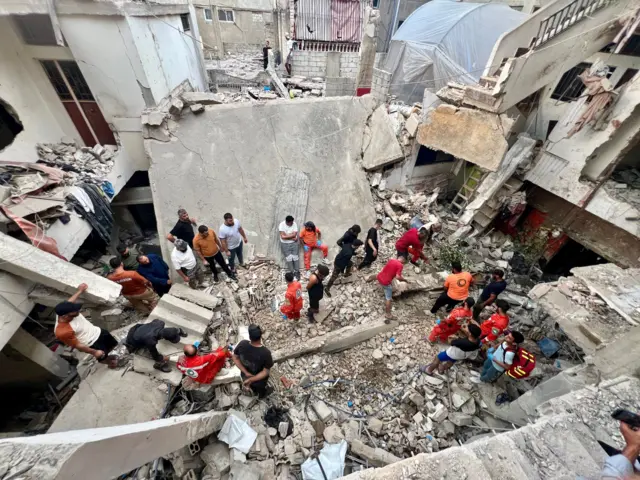
However, difference dey between di situation for Lebanon and Israel campaign for Gaza afta Hamas 7 October attacks, wey look like say Israel military fit don reduce Hamas resistance.
Di situation for Lebanon fit dey more challenging, despite di successful attacks against Hezbollah infrastructure and leadership.
"Hezbollah no be Hamas: dem dey damaged but stil dem still well armed and strategically placed," na so Professor Amin Saikal, one Middle East expert for di Australian National University.
"Di group dey able to wage an endless resistance to Israeli occupation. Dis fit come at a high human and material costs for di Jewish state," Im explain.
Jeremy Bowen say Israel still neva achieve one of dia main objectives for di Gaza campaign.
"Hezbollah get, by all accounts, massive tunnelling networks and facilities for south Lebanon. One of dia military intentions wen dem enter Gaza na to dismantle di Hamas tunnel network and nearly a year later, dem neva do am."