First na di messages, den di bombs as air strikes hammer Lebanon

Wia dis foto come from, Getty Images
- Author, Ethar Shalaby
- Role, BBC News Arabic
- Published
- Read am in 6 mins
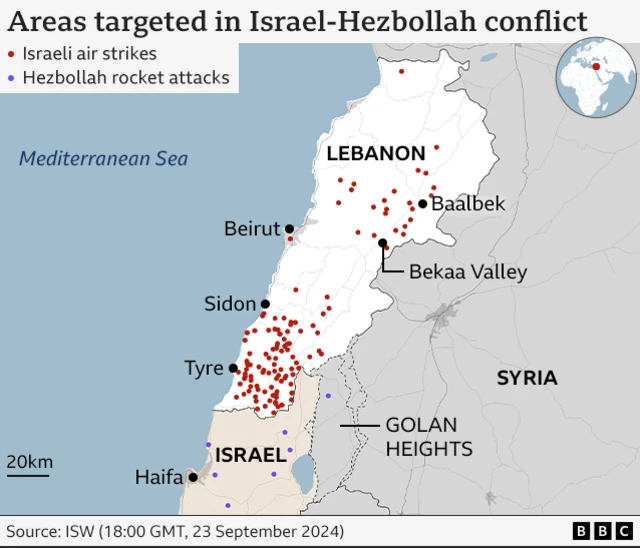
Monday na di deadliest day for Lebanon since di end of di kontri civil war for 1990, as more dan 550 pipo die sake of Israeli air strikes, including 50 children.
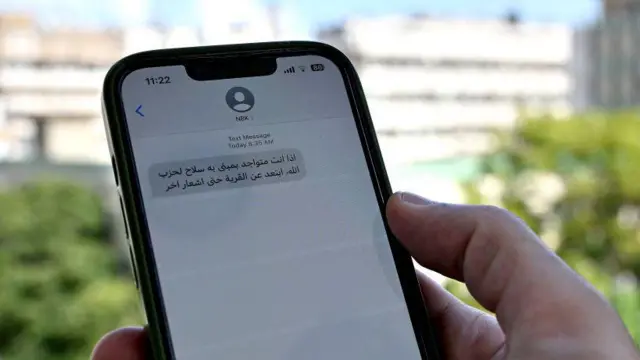
For many pipo, di first indications of di huge escalation in di cross-border crisis come through SMS messages, automated phone calls or hijacked radio broadcasts.
Israeli authorities say dem send am as a warning, so dat civilians go clear from di areas. But for Lebanon dem dey describe am as “psychological warfare”.
Di first official evacuation messages bin dey sent by Israel in di early hours of Monday, and pipo for Lebanon receive SMS messages for dia phones wey urge dem to leave villages and areas close to wia dem claim say Hezbollah dey store arms.
Nemat, wey come from Beit Lif, just 4km (2.5 miles) from di border wit Israel, tell BBC News Arabic say her brother receive one of di messages.
“We run to pack our tins and leave,” di 49-year-old, wey dey live wit her sibling, tok. “We don witness war bifor, but notin like dis. We feel deep sadness and heartache.”
Dem don dey live for one school wey dey act as a makeshift displacement shelter.
Wia dis foto come from, Getty Images
In addition to di messages, Imad Kreidieh, di head of Lebanese telecoms company Ogero, tell Reuters news agency say e get more dan 80,000 attempted calls wey dem believe say come from di Israeli military asking pipo to evacuate.
E describe di calls as “psychological warfare to wreak havoc and chaos”.
Di Lebanese ministry of information receive one call wey tell pipo inside dia headquarters to leave.
Information Minister Ziad Makary tell BBC News Arabic say dem no go respond to di evacuation order.
E add say e believe say “Israel dey used to all forms of psychological warfare for dia confrontations".
Tensions about renewed air strikes for Lebanon begin to rise on Thursday wen Israeli jets fly ova di capital Beirut, breaking di sound barrier and e cause sonic booms.
Di messages and calls coincide wit di Israeli military warning say dem dey plan a more intense bombardment of Hezbollah strongholds, wen in di preceding days dem don already launch wetin dem say na a new round of “extensive strikes” across Lebanon, including on Beirut.
Israel believe say one of di Iran-backed group tactics na to hide missiles and weapons within Lebanon civilian infrastructure.
Israeli army tok-tok pesin Avichay Adraee post on X, and urge pipo to "evacuate di houses wia Hezbollah don store weapons", and e add say: "Hezbollah dey sacrifice you."
While Israel say dem don issue di warnings so dat pipo fit move to safer areas, some don say dem dey confused as to wia dem suppose go.
Zeinab, a mother of three, bin dey stay wit her sister for one village for di Nabatieh governorate, wey dey border Israel, wen both of dem receive di warning messages on dia phones.
She believe say e no get any Hezbollah weaponry wey dey stored close to her sister house, but say dem gatz move as a precaution.
“We quickly pack our stuff and run comot to my house wey no dey veri far from my sister Aya house.”
She add say: “We tink say na di right tin to do as my sister house dey located closer to di border.”
'Say goodbye'
Wia dis foto come from, Getty Images
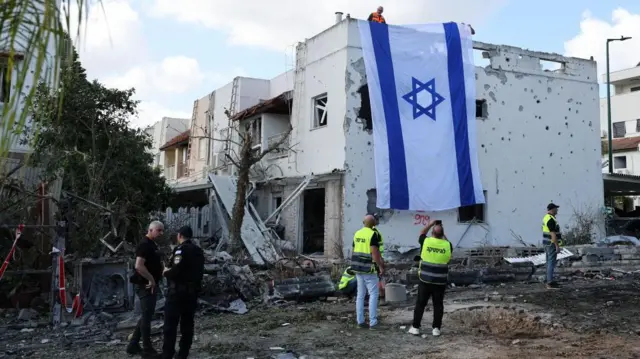
SMS warning messages dey also received by pipo wey dey live for northern Israel.
On 19 September, Israelis receive around five million text messages, wey di kontri cyber authorities say bin dey sent by Iran and Hezbollah.
Di Israeli goment describe dem as “a cheap and unsophisticated attempt to cause panic to di public” and say na di “enemy attempt to play with our civilians minds”.
Di messages, wey some of dem bin dey in poorly written Hebrew and get a threatening tone, include web links wey di Israeli authorities say bin dey suspicious.
Israeli news outlet Haaretz report say one of di messages say: “Say goodbye to your loved ones, but no worry, you go hug dem in hell in a few hours.”
Di sender name appear on di messages as SyHaNasrala and dis fit be a reference by di sender to Hezbollah leader, Sayyid Hassan Nasrallah.
Radio messages
Di Israeli military don also take ova Lebanese radio frequencies witout permission, broadcasting recorded messages on several radio stations asking civilians to leave places wey dey close to Hezbollah areas of operation.
Di ongoing situation don worsen di displacement crisis along di Israel-Lebanon border, wia even bifor di recent escalation, more dan 150,000 pipo on both sides of di frontier don run comot from dia homes.
Roads for di south of Lebanon become jammed as pipo try to flee north.
Following warnings about air strikes, many parents for Lebanon rush go pick up dia children from schools, while di Ministry of Education decide to close some schools and universities due to di “security and military situations” wey dem say for endanger students.
As Hezbollah increase dia rocket attacks in recent days, safety measures don dey increased for Israel.
Di kontri health ministry on Sunday order hospitals for northern Israel to move patients to protected areas, schools don close and and dem don tell pipo dia to restrict outdoor gatherings to fewer dan 10.
Additional reporting by Carine Torbey for Beirut and Michael Shuval for Jerusalem