Wetin be Oropouche, di 'sloth virus' wey no get medicine or vaccine?

Wia dis foto come from, Getty Images
- Author, by Onur Erem
- Role, BBC World Service
- Published
- Read am in 6 mins
Recently sabi pipo don notice increase in cases plus di di first confam death, wey don make dem draw ear give world pipo of di growing threat wey Oropouche dey cause.
Dis virus, dem never fit still understand am, and currently, no any vaccine or medicine.
Officials for Brazil confam for end of July say two young women from di north east state of Bahia die from Oropouche.
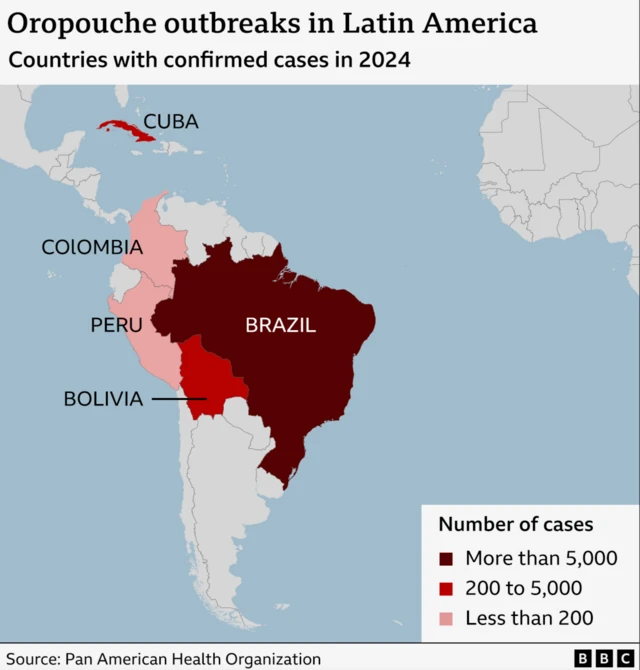
Cuba sef don also record im first outbreak of di virus, wey dey spread by bites from midges and mosquitos.
So, which kain risks dis disease fit cause, and how dem fit diagnose, prevent and treat am?
Wetin be Oropouche virus?
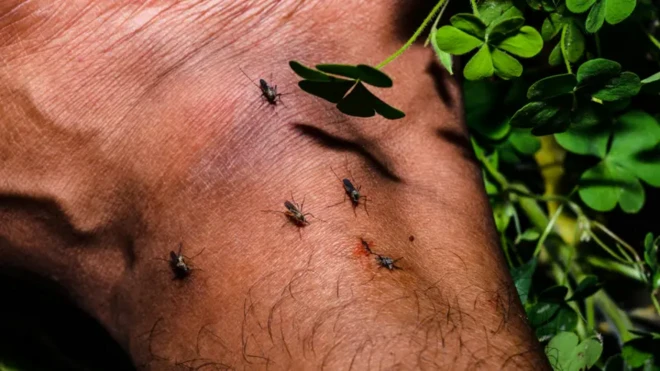
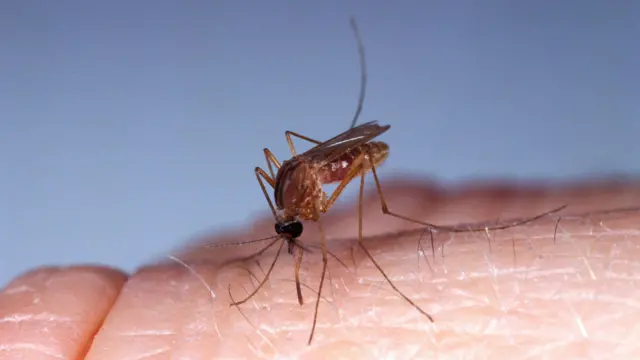
Oropouche na virus wey insects wey dey bite, dey spread – mostly na di pinhead-size midge species Culicoides paraensis, wey plenty for different parts of di Americas.
Di first time wey dem record cases na for 1955 for one village wey dem call Vega de Oropouche for Trinidad and Tobago.
For di past sixty years, researcher dey estimate say dem don diagnose more dan 500,000 cases of di disease wey di virus don cause for Brazil — although dem admit say dem fit don underestimate di number.
So far, na almost 10,000 cases na im dem don record for di kontri dis year, up from just over 800 for 2023.
Di majority of di cases for Brazil happun for di Amazon region, wia dem consider say Oropouche dey worry.
In addition to Brazil, for recent years, Oropouche don become public health problem for Peru, Colombia, Ecuador, Argentina, French Guiana, Panama, Trinidad and Tobago, Bolivia and Cuba.
For Europe, dem don report few cases since June for Spain, Italy and Germany, but dis na from among travellers wey bin return from Cuba and Brazil.
How dem dey spread Oropouche?
Di virus fit pass from one infected pesin to odas through insect bites.
E no get evidence say e dey spread any oda way, like skin contact or through air.
Wia dis foto come from, Getty Images
However, one report wey Brazil Ministry of Health release say evidence dey suggest say pregnant woman fit transmit di virus to her unborn pikin.
Dem neva fit prove di kain effect wey Oropouche get on pregnancies and unborn children, but dem dey investigate am.
Wetin dey ground for sure be say human outbreaks dey spread more and more, sake of factors like urbanisation, deforestation and climate change.
Oropouche dey also happun naturally for wetin oyibo dey call primates, dis na animals like monkeys and sloths.
Scientists dey suspect say e fit also affect some birds.
Wetin be di symptoms of Oropouche ?

Wia dis foto come from, Getty Images
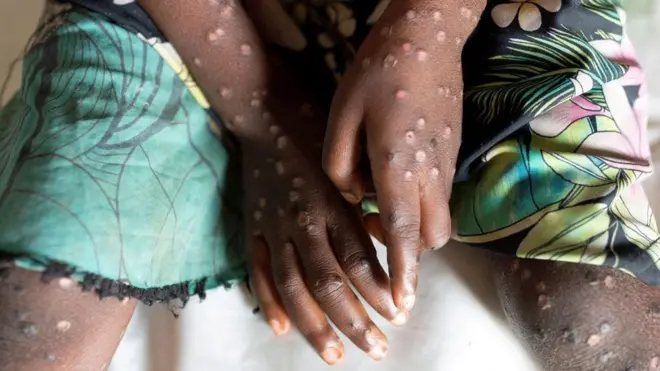
Oropouche fit cause sickness wey be like flu or catarrh, similar to dengue fever.
Di World Health Organization list di symptoms as:
- Sudden high fever
- Headache
- Pain behind di eyes
- Joint stiffness or pain
- Chills
- Nausea
- Vomiting
In most cases, dis symptoms dey last for between five and seven days.
However, di US Centers for Disease Control and Prevention (CDC) say for up to 60% of patients, symptoms dey come back few days or even weeks later.
Pipo dey report similar symptoms, dey relapse - fall sick again - or become worse afta dem don recover.
E no clear wetin dey cause dis relapse dem; e fit be say na di same infection dey come back, or pipo wey dey live for di area wey get plenty of di virus-carrying insects dey dey re-infected.
How deadly Oropouche fever dey?
On 25 July, authorities for Brazil record di first deaths from Oropouche fever.
Both of dem bin dey in dia twenties, and doctors say dem bin no get any health conditions before e happun.
Brazil Ministry of Health don warn say di virus also fit dey associated wit brain defects among babies wey catch di infection inside dia mama belle.
E don report four cases of microcephaly – dis na di reduced brain development wey bin dey happun wit Zika virus - in new-borns wey dia mama bin dey infected.
Dem bin also associate one stillbirth wit Oropouche.
But scientists agree say dem need to do more research before dem fit confam di potential risks of di virus during pregnancy.
Oda possible serious complications from Oropouche include encephalitis and meningitis, wey be diseases wey fit make di membranes surrounding di brain and spinal cord to swell.
However, di two deaths wey Brazil Ministry of Health announce dey unique.
Weda dem bin don miss di deaths wey don happun before - or mistakenly diagnose dem say na Dengue cause dem - remain possible, within di context of di more dan 500,000 diagnoses wey dem don do over many many years.
Which treatment dey available?
Wia dis foto come from, Getty Images
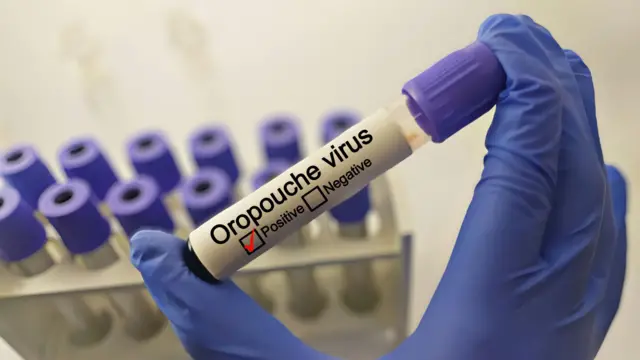
E no get any specific drugs to treat Oropouche.
One article for di academic journal The Lancet Microbe classify outbreaks of Oropouche fever as "emerging threat to global health" and warn of di lack of research into new treatments.
Brazil Ministry of Health say "patients must rest, wit symptomatic treatment and medical monitoring".
Doctors fit recommend specific medication to alleviate di symptoms, like fever, pain and nausea.
Anyone wey dey infected, make e also continue to use insecticides, to reduce di likelihood of insects biting dem, wey fit den transmit di virus to oda pipo.
You fit prevent Oropouche?

Wia dis foto come from, Getty Images
E no get any vaccines available to prevent infection.
Di best way wey pipo fit protect demsef against Oropouche na to make sure say midges and mosquitoes no bite dem.
Health authorities dey suggest basic preventative measures, like:
- Avoid areas wia dem get many mosquitoes, especially midges
- Install fine mesh screens for doors and windows
- Wearing cloth wey cover most of di body to prevent bites
- Apply repellent to exposed skin
- Keeping your home and di surrounding area clean, especially outside areas wey get plants or animals
- Drain areas wey get standing water and dead plants, wia insects fit breed.
Mosquito nets dey potentially useful but fit dey less effective in preventing Oropouche dan similar insect-borne diseases, like malaria, becos di tiny midges wey dey most commonly carry Oropouche dey so tiny sotey dem fit pass through dem.
Some kain insecticides, like deltamethrin and N,N-diethyl-meta-toluamide (DEET) don prove effective for controlling di species wey dey carry di disease.
From wider public health perspective, pipo dey call for di test to dey more widely available, to speed up diagnoses and help contain outbreaks before dem spread.
Expansion of deforestation and climate change dey increase di risk of Oropouche spreading to wider habitat and creating new cycles of urban transmission of dis virus — wey don dey already happun wit dengue, zika and chikungunya.
Edited by Antony Garvey