Six natural ways to help manage perimenopause

Wia dis foto come from, Getty Images
- Author, Armen Nersessian
- Role, BBC World Service
- Published
- Read am in 7 mins
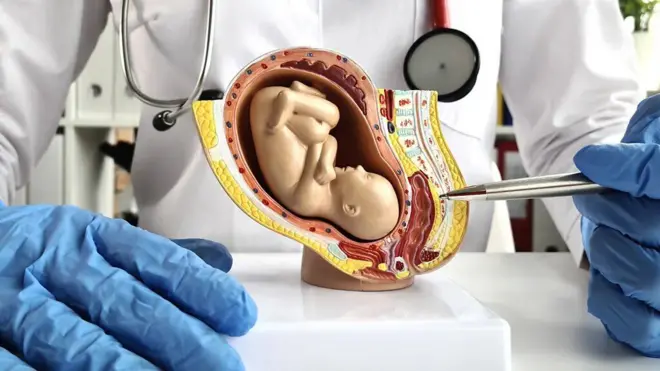
Perimenopause dey affect millions of women worldwide yet until recently, pipo no dey too discuss am and dem dey misundertand dis phase of life.
For some kontris and communities, na taboo to discuss di topic.
Perimenopause na di gradual transition wey dey lead up to menopause, wen a woman hormone levels start to change, and reproductive function gradually ho down.
E dey start wen hormone levels - oestrogen, progesterone, follicle-stimulating hormone (FSH), luteinising hormone (LH), and testosterone - start to fluctuate.
Dis shift dey trigger wide range of physical and emotional symptoms wey dey significantly impact daily life.
Di most common symptoms, according to di UK National Health Service (NHS), na:
- Irregular periods
- Hot flushes or night sweats
- Difficulty concentrating
- Anxiety or low mood
- Trouble wit sleeping
- Decreased libido
- Vaginal dryness
Symptoms fit start gradually from late thirties, as most women dey enter dis stage by dia mid-forties, according to di World Health Organization (WHO).
To understand wetin dey happun and to take steps befor e happun fit help to make di transition easy.
While hormone replacement therapy (HRT) na option for some, many women manage symptoms naturally thru lifestyle changes, or in addition to HRT.
See some ways to help manage symptoms:
1. Eat a hormone-supportive diet
Wia dis foto come from, Getty Images
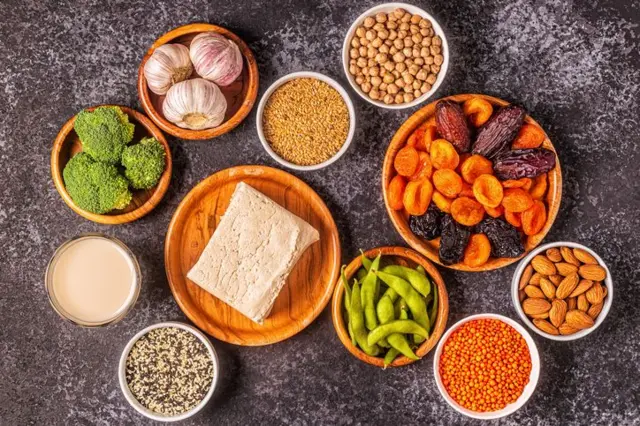
Balanced diet dey support hormone regulation as e dey provide essential nutrients, while poor nutrition fit cause imbalances wey dey affect mood, energy, metabolism, and overall well-being.
Wetin you go include:
- Phytoestrogen-rich foods – You go find am in flaxseeds, soybeans and lentils
- Fruits & vegetables – Antioxidants dey fight inflammation
- Whole grains – Support metabolism and energy levels
- Lean proteins – Maintain muscle strength
- Healthy fats – Avocados, nuts and seeds dey help hormone production
2. Regular exercise

Wia dis foto come from, Getty Images
Physical activity dey ginger your mood as e dey boost dopamine levels for di brain.
E dey stimulate di release of dopamine, wey be neurotransmitter associated wit pleasure and motivation.
Regular exercise fit also remodel your brain reward system, increasing dopamine wey dey circulate and available dopamine receptors - dey boost your ability to feel good.
Dis neurochemical response highlight di significant role of physical activity in mental health and emotional well-being.
University of Exeter study bin find out say menopause no dey stop muscle building, wit resistance training wey dey significantly boost hip function, flexibility, and balance.
Aim for a mix of:
- Strength training – E dey build muscle and maintain bone density
- Yoga and stretching – E dey improve flexibility and reduce stress
- Aerobic exercise – E dey boost cardiovascular health and help to regulate sleep
3. Manage stress wit mindfulness
Stress fit significantly worry perimenopausal symptoms, including mood swings, anxiety, and sleep disturbances.
One 2019 Mayo Clinic study find out say mindfulness and lower stress levels dey independently associated wit reduced menopausal symptom among mid-life women.
- Meditation – E dey reduce anxiety and improve focus
- Deep breathing – E go calm di nervous system
- Journaling – Writing regularly dey help provide emotional clarity and relief
4. Prioritise sleep
Wia dis foto come from, Getty Images
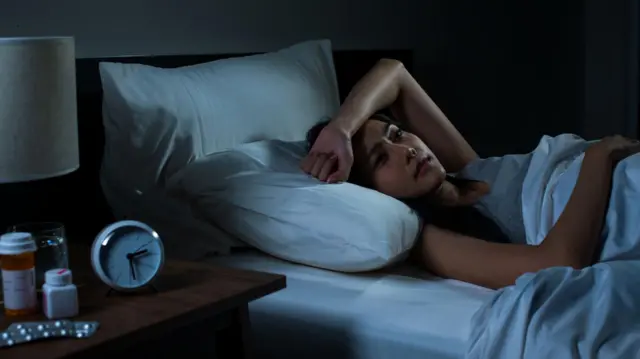
To fix sleep disturbances during perimenopause fit dey veri challenging becos di root causes – hormone fluctuations - dey complex and difficult to control.
Oestrogen and progesterone, wey dey play a key role to regulate sleep, dey go down unpredictably, and e dey make am difficult to find a one-size-fit-all solution. Additionally, symptoms like night sweats, anxiety, and mood swings dey different in intensity and frequency, wey require a combination of treatments like lifestyle changes, hormone therapy, or medication.
Oda factors, like ageing-related changes in sleep patterns and increased risk of sleep apnea fit further complicate di issue.
E mean say trial and error dey needed to find an approach wey go help improve sleep.
Good sleep hygiene include:
- Clothing and bed linen - Breathable fabrics like cotton and moisture-wicking materials go help keep di body cool, while certain mattresses, especially di ones wey get memory foam, fit trap heat and worsen discomfort
- Keeping a consistent bedtime – E dey help regulate di body natural rhythms
- Avoiding caffeine and screens before bed –E dey reduce overstimulation
- Creating a cool, dark sleep environment –E dey encourage deeper rest
5. Herbal remedies
If you dey consider herbal remedies alongside Hormone Replacement Therapy (HRT), e dey important to dey aware of potential interactions.
For example, experts suggest say St John's wort fit reduce di effectiveness of HRT tablets and capsules.
Similarly, turmeric contain curcumin, wey high doses fit theoretically interfere wit HRT as e go dey compete for oestrogen receptors – although evidence no plenti.
Oda herbal products, such as evening primrose oil, soya, red clover, black cohosh, and ginseng, dey commonly used to reduce menopause symptoms.
However, health experts warn say di safety and effectiveness of many of dis supplements no dey clear due to a lack of detailed clinical testing.
E dey essential to consult wit a healthcare professional before you begin combine herbal remedies wit HRT or oda medications to ensure safety and effectiveness.
Kathy Abernethy, director of menopause services for Peppy say many women turn to supplements but no be all of dem dey backed by strong scientific evidence.
She emphasise say balanced diet na di best way to get essential nutrients, though vitamin D and calcium fit dey useful, especially for winter months.
She also stress di importance of safety, she warn say supplements wey dem dey buy online or overseas fit no meet regulatory standards and fit interact wit prescribed medications.
Abernethy advise make pipo dey check labels, consult pharmacist, and make sure say dem no dey use supplements as a substitute for necessary medical treatments.
Some herbal remedies fit reduce hot flushes. Spiking temperature dey mainly down to hormonal changes, especially declining levels of oestrogen.
Dis drop dey affect di hypothalamus, di brain temperature control centre. As a result, di body go start processes like vasodilation - widening of blood vessels - to release perceived excess heat, wey go lead to intense warmth, skin flushing, and sweating.
6. Build emotional support system
Perimenopause fit dey feel overwhelming, but you no need to go thru am alone. Experts strongly recommend talking to friends, your partner, joining support groups, or seek professional guidance from a therapist wey fit provide relief and reassurance.
How long e dey last?
Perimenopause typically dey last several years, wit some experts wey estimate between four and 10 years.
Di duration dey influenced by factors like genetics, lifestyle and overall health. Menopause itself na just one day - di point wey a woman don go 12 months back to back witout a period.
One 2022 US study, di Study of Women Health Across di Nation, bin find out say Black women fit reach menopause earlier and experience more severe symptoms – including hot flushes, depression and sleep disturbances.
Dis na di opposite of, Japanese and Chinese women wey report fewer vasomotor symptoms, like hot flushes, during perimenopause.
Impact on relationships

Wia dis foto come from, Getty Images
Shahrzad Pourabdollah, one London-based psychosexual and relationship therapist, tell BBC say symptoms of perimenopause fit strain relationships—not just wit partners but also wit children.
Poor communication, especially around intimacy, fit lead to emotional distance and resentment.
However, she emphasise say wit awareness, patience, and adaptability, couples fit strengthen dia bond through dis transition.
How to separate perimenopause from oda conditions
Some perimenopause symptoms dey overlap wit conditions such as thyroid disorders, anxiety, or chronic fatigue syndrome.
For instance, irregular periods and mood swings – fit potentially indicate hormonal changes or thyroid imbalances.
Fatigue and brain fog fit dey linked to perimenopause or vitamin deficiencies, while joint pain and headaches fit dey linked to oda medical conditions.
Tracking symptoms either using app or a diary and consulting doctor fit help determine weda perimenopause or anoda health issue na di cause.
Blood tests fit provide insight, but hormone fluctuations make dem unreliable. A detailed discussion of symptoms and medical history na di best approach all di time