Benin Bronze artefacts: Meet makers of ancient Benin Bronze Europeans tiff
- Author, Onyinye Chime
- Role, Broadcast Journalist, BBC News Pidgin
- Published
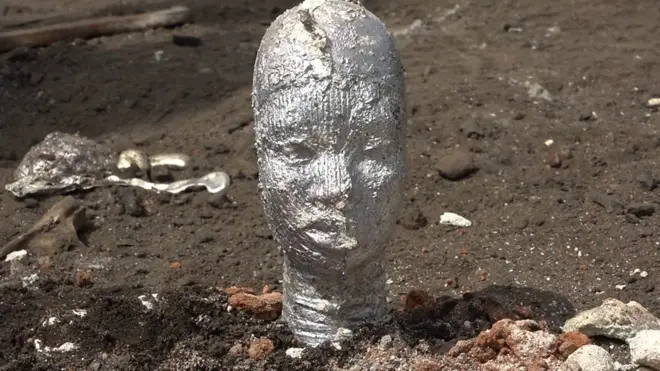
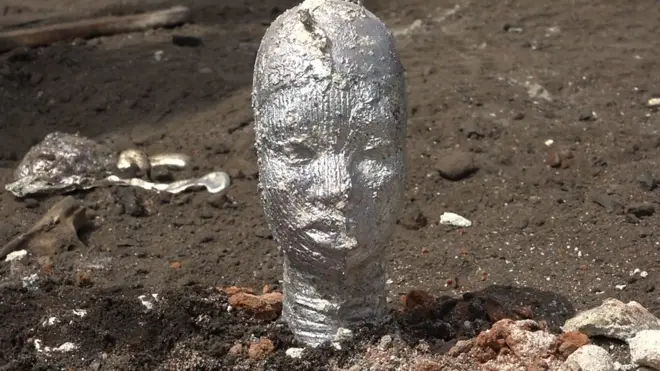
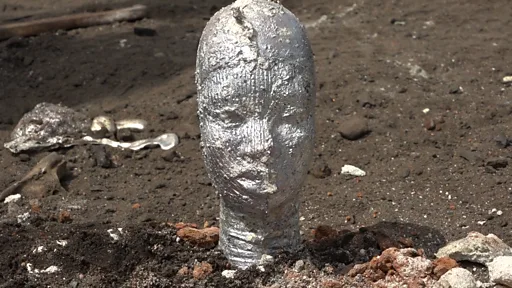
Representatives of di Nigeria goment and di Royal Benin Monument collect back one of di artefact of history and tradition of di ancient Benin Kingdom.
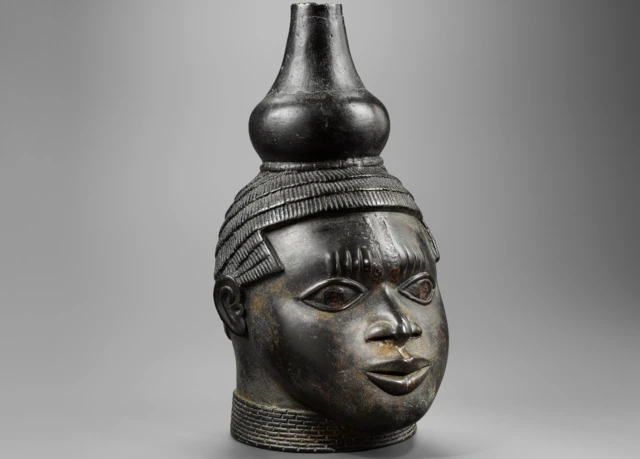
Jesus College, University of Cambridge, United Kingdom, handover di Okukur Bronze wey don dey di college since di 22 May 1905 to di representatives on Wednesday.
But wetin be dis Benin artefacts of history plus traditions and who be di artisans wey make dis sculptures and carvings for di ancient kingdom?
Artefact na any tin wey human being make wey get connection wit culture or archaeology - na di study of ancient cultures.
Wia dis foto come from, Getty Images
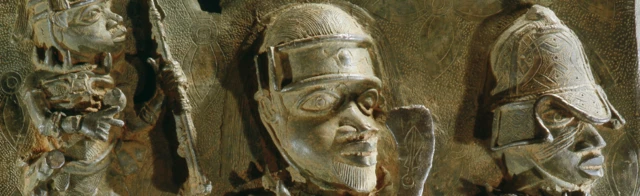
Artefacts of di ancient Benin Kingdom wey dey for today Edo state, south south Nigeria, na thousands of iron plagues and sculptures plus ivory carvings wey dem make between di 1400s and 1800s.
Dis artefacts represent lifestyle of di ancient Benin pipo from di 15th century during di reign of Oba Ewuare di Great to di time of di colonial British defeat of Oba Ovonramwen Nogbaisi for 19th century.
Idahosa Osagie Ojo, na Historian wey specialise for Africa Cultural History and lecturer for Benson Idahosa University, Benin City, e say, wetin di oyibo man describe as artworks na actually symbols of di pipo lifestyle and believe system.
"Di tins bin no be artwork for art sake. Dem bin be symbols of tins, symbols of dia believe system and tools wey help dia society to move. Na di Europeans wey cari dem, call dem artworks.



End of Di one wey oda users dey read well well
"E be if pesin wakeup three hundred years from now, see your car dey tink say na artwork. But you no go call your car artwork.
"But e possible for for pesin wey no get your story, wey no know you to come two hundred years later say, 'Ah! dis na artwork, e dey very beautiful den hang am for im room. So wen you now try to explain say dis no be artwork, dem be useable tools for pipo, e go confuse.
"Those tin (wey dem make) na tins wey help day-to-day living for before di colonial masters come Benin."
Wia dis foto come from, Getty Images
According to Idahosa, e get some tins wey di oyibo bin cari wey even dem sabi say, dem bo be artwork.
"Like di key to di apartment of di Oba wife wey dem cari, you go call key artwork? E get oda tins wey dem cari wey even di Europeans wey dey crazy about art no fit call am art work."
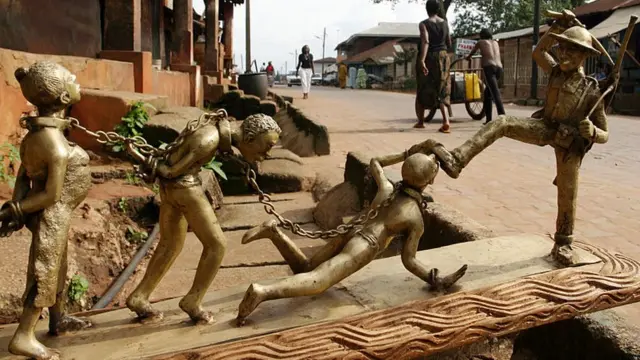
Di British colonialists loot di artefacts for 1897 afta di fall of di Benin Kingdom, and today, di artefacts scata for different parts of di world.
Jesus College na di first institution for di United Kingdom to handover one of di Benin loot of 1897.
Wia dis foto come from, Woolley and Wallis
Who make dis 'artworks'?
Di ancient Benin Kingdom bin get guild of professionals wey dia work na to make dis crafts.
E no get any particular clan or family lineage wey dia heritage na to make bronze, wood or ivory work.
Dis professionals na actually industrial workers, manufacturers wey dey manufacture tins wey di pipo need to live dia everyday life like keys, bags, plates and cups, decorations plus odas.
Di only difference be say, some of di professionals na only di Obas fit commission dem to do work, no oda pesin fit use dem. "Only di Obas fit own" wetin dem produce, Ojo tok.
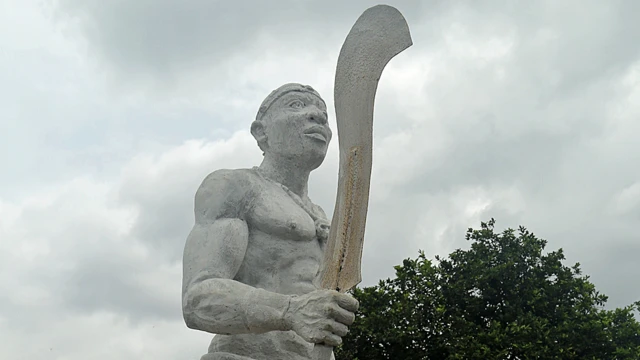
One of di descendants of di manufacturer wey one of di Obas bin commission, Monday Aigbe, still dey run foundry for Benin City di capital of Edo state, wia craftsmen still dey make brass statues.
Aigbe family don dey make bronze for six generations and im great grandfather bin dey work for Oba Ovonramwen Nogbaisi wen di British raid di Royal Palace more dan 120 years ago.
For im reaction to di return of Okukur Bronze, Aigbe say: "I feel happy say di work of my great-grandfather go come back to Benin."
But add say: "E dey make me sad becos dem come, destroy di palace, make my great-grandfather run from di city go village."
Wia to meet di makers of ancient Benin Bronze for mordern day Benin for Edo State
One group of pipo wey dey jolli on top dis tori na di bronze/brass artists.
Dem dey live and work for Igun street alias Igun Eronmwon Quarters wey dey for middle of Benin City.
Igun street no be just any ordinary street, e no get part two sotay Unesco make am heritage site.
Afta di Oba palace, na here tourists dey show wella to see wia dem dey do dis bronze/brass from scratch and sell to customers.
Dem don make Igun street Unesco cultural heritage site sake of wetin e dey represent for hundreds of years for bronze art including from wia di 16th century ivory mask of Queen Idia.
Dat na di official logo of di second black and African Festival of Arts and Culture (Festac)1977 bin come from.
Sculptor Eric Ogbemudia, wey be secretary of Igun Bronze casters Guild, di join bodi of di artists say;
Why Igun street bronze casting pass odas na say dia own method and style dey different, dia ingredient na traditional tins.
Cultural significance of di Benin artefact
Enotier Ogbegbo na Nigerian artist wey base for Benin City, im tell tori pipo Aljazeera say di ancient Benin pipo bin make di artworks for different purposes.
"Dem make di objects for different purpose dem, for traditional worship, for operating altars. And dem make some for keeping memories, for storing our stories and history and odas na for utility purpose," Ogbegbo tok.
As Ojo put am, "calling dem artwork just remove all di value dem get for di Benin society, come put oyibo value on am as artwork."
Im sight example of one effective ways wey di ancient Benin pipo take dey use some of dis sculpture and carvings for di send secret -encrypted - intelligence messages.
"Wen Oba Ovonramwen dey Calabar (on exile), im bin wan know wetin dey happun for Benin, but di British soldiers wey dey guard am bin no want make in get any communication wit di Benin pipo, so di Benin pipo decide to send am gift, wetin you go refer to as artwork. Wen di plague reach in hand im read am, na plague design, im bin read to understand say many tins dey happun for Benin and im understand wetin dem write for di plague."
Dat na why Ogbegbo emphasis say dis artefacts na symbol of who di Benin pipo be, dia history and evidence of dia civilisation wey don last about one thousand years.
Di Nigeria National Commission for Museums and Monuments dey expect to collect back some more of di artefacts wey dey exile for different Institutions for UK.
Di commission dey plan to go University of Aberdeen for Scotland to collect more of di Benin artefacts wey di university buy for 1957.
E also hope to collect from di Museum of Archaeology and Anthropology, University of Cambridge wey be di second largest holder of di Benin collections for di kontri while di British Museum hold di largest share.