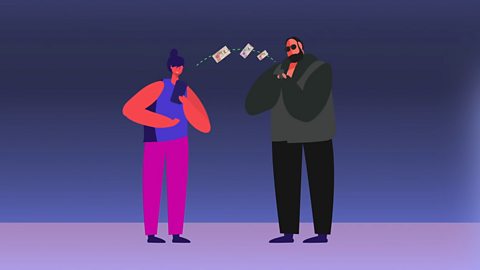
FRANKIE: You know how the things we post online can follow us around and affect us in real life?
Well, we call the stuff that people see when they look us up, a 'digital footprint'.
Something you post online without a second thought could have immediate consequences. Or, it could come back to bite you years down the line. Take location sharing, for example. If I'm telling the whole world I'm on holiday then I'm telling potential burglars that my house is empty too. And if I'm sharing my location in real time then I'm telling everyone where they can find me, including some people that I might not be so keen to bump into.
This is true for events as well. If I'm inviting people online then I'll think about making it private. Otherwise I could be inviting anyone. Let's look a true story of someone who learned this the hard way.
EMMA-LOUISE: A teenager in the Netherlands was planning her sixteenth birthday and wanted to have a few friends over to celebrate. She created a Facebook event for the party but didn't make it private. And then, she watched in horror as the event went viral. People she didn't even know were sharing the details, even creating websites and social media accounts to promote the party. In the end, around 3,000 people travelled to her small town for the party. It quickly spun out of control. Property was damaged and arrests were made.
FRANKIE: It's an extreme example, but a good reminder that anyone might see what you post. Once it's online, it's out of your control. So keeping your location to yourself is a good start. But there's a bit more to minding your digital footprint. Whatever you say online reflects on you in real life, whether that be positive or negative. Let's look at another true story.
EMMA-LOUISE: A teenager in Essex was unhappy with her job. She thought it was boring, so she decided to tell her friends about it with a short social media post. They got a little laugh out of it and she carried on. Over time, she became mates with people at work and added them as friends online. Eventually, her employer found out about the post and even though it was fairly light criticism, people in her office were unhappy about it and so her boss decided to let her go.
FRANKIE: It's not just friends and followers who see what you post, so before you take your frustration online, consider what might happen if the people you're posting about see it. If you wouldn't be happy to say it to them in person, then best not to post it. And if you're worried about what others might find out about you if they look you up, then try checking on yourself. Search your name out, see what you find and where. You might be surprised at what pops up. The internet never forgets. Even on apps that automatically delete posts, it's always possible for someone to make a copy or a screenshot and share it round. And it's not just bosses who might look you up. What would a crush think if they saw they trashed an ex online? That would be a red flag if I saw it.
So, if you're willing to take time to get the perfect selfie because you want to look good online, then you might want to put some thought into the words you're posting too; whether that's your opinion on music or fashion, or what you think of someone at school. Once it's out there, you can't take it back.
Video summary
This short film demonstrates that what you post online can follow you in real life, via two real life cast studies.
The issue of location sharing is discussed and the permanent nature of what we put online is highlighted.
The top tips section at the end should provide useful take-away points for students.
Teacher Notes
This short film could be used as an assembly or short registration activity that provides students with information about their digital footprint.
Students could then be asked to see what they can find out about what exists about them online to discuss in a lesson.
This search could also be carried out in a computing lesson to demonstrate what information is held about them.
Your students could develop guidelines for younger pupils about how to manage their social media profiles so that it reflects them in the way they want it to.
They could include examples from the stories in this short film and the top tips section to help them to structure their advice.
The film could also be used as a starting task to link in to other areas such as online security.
Links to new statutory RSE and HE curriculum (secondary)
Pupils should have a strong understanding of how data is generated, collected, shared and used online, for example, how personal data is captured on social media or understanding the way that businesses may exploit the data available to them.
Online and media: pupils should know their rights, responsibilities and opportunities online, including that the same expectations of behaviour apply in all contexts, including online; pupils should know about online risks, including that any material someone provides to another has the potential to be shared online and the difficulty of removing potentially compromising material placed online; not to provide material to others that they would not want shared further and not to share personal material which is sent to them; how information and data is generated, collected, shared and used online.
Other subject areas
This short film could be used across other subject areas such as careers or English.
Within a careers session you could focus on applying for work and think of questions asked in a job interview about what employers have found out about a person online. Your class could watch this short film and then conduct mock interviews where this work behaviour (or other things that students make up based on the kinds of things they might post) is brought up.
In English students could write a story based on the idea of location sharing and what might happen when everyone knows where you are or what you are doing.
This series touches on elements of PSHE, citizenship and computing at GCSE in England, Wales and Northern Ireland and National 4 and 5 in Scotland.
This film addresses statutory content around online and media behaviours.
More Digital Literacy / Online Security:
Fake News. video
This short film explores the phenomenon of fake news and outlines why it is important to be able to distinguish it from real news.

Live Streaming. video
This short film explores live streaming and provides some useful pointers for young people.
Pornography. video
This short film explores some real-life experiences around pornography.
Self Image and Mental Wellbeing. video
Using a real life story, this short film looks at the negative effects that social media can have on our mental wellbeing.
Copyright and Ownership. video
Sanah Ahsan, a spoken word poet who frequently shares her work online, talks about the dos and don'ts of sharing content, as well as what is meant by intellectual property.
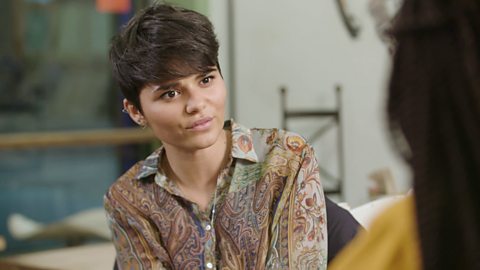
Sensitive Pictures. video
This short film uses a real life story to explore the legal and emotional consequences of sharing sensitive photos.
Online Gaming. video
Online gamer Pixlriffs talks about some potential dangers to look out for when gaming online, as well as the things you can do to protect yourself.
Trolling and Cyber-Bullying. video
This short film explores the consequences of online bullying, using a real life case study.
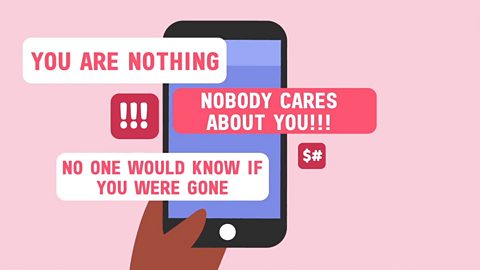
Online Security. video
This short film offers advice on how to spot an online scam as well as tips on what you can do to protect yourself online.