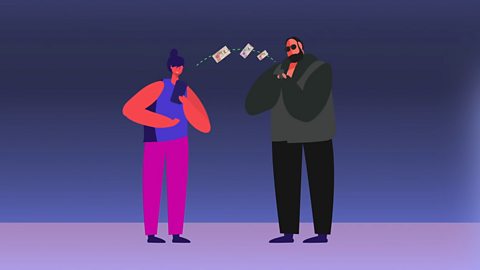
FRANKIE: Oh. I think someone I’ve been talking to has just sent me a nude. Yup, definitely naked.
I could easily send this to all my mates. But just because it’s easy, doesn’t make it right, or even legal.
Sharing someone’s picture without their permission is just cruel. If they’ve sent that image to you, then they have only agreed to letting you see it. Showing anyone else is shameful and mean.
And it’s against the law. Having naked pictures of anyone under the age of 18 on your phone, including yourself, could land you in serious trouble. So could sharing them without the consent of the person pictured, no matter what their age.
Laura experienced this first hand. Her name and voice have been change to protect her identity, but the story you’re about to hear is entirely true.
LAURA: At the end of year nine, I was talking to a boy in year ten. He was really nice and I thought he fancied me.
One evening he asked for a picture of me, so I sent him a selfie. He replied really quickly asking to see me in my bra. I thought he was joking and I said no. He called me a child and said I would do it if I was serious about getting together, naming other girls in my year that had done it.
The next night he apologised. He was being so nice and I didn't want him to think I didn't like him so I made him promise he wouldn't show anyone else and then I sent a picture of me in my bra. He messaged back so many complements and then asked for a picture without my bra on.
I said no, but he said he was falling for me and kept naming other girls that had offered to. I thought that if everyone was doing it then it was probably okay, and I worried that he would stop liking me if I didn't. I made him promise he would never show anyone. And I quickly sent a photo without my bra on.
A few days later, at school, people kept looking at me and laughing as I walked past. Lads in the older year started banging into me in corridors or grabbing my bum.
Then at lunch, a friend showed me her phone. She had all the pictures, including the topless one. I don't think I felt anything for the first five seconds, and then I had this horrible urge to throw up.
The teachers found out by the end of lunch. I thought my mum would be really angry at me but she was just sad for me and said I should have talked to her about what I was being asked for.
The next day was awful. The boy had been taken out of school by the police and cautioned for distributing pictures of a minor. He got suspended but everyone was angry with me.
The head teacher was really nice about it though. She made sure I understood I wasn’t to blame and that everyone makes mistakes.
I ended up taking the rest of the term off because I couldn't face going in.
The school referred me to the counsellor who suggested I meet with a victim support group. It was actually the best thing I could have done. I learnt to accept what had happened and stopped blaming myself.
I'm going to college now and I want to become a counsellor and help others like me.
FRANKIE: Laura thought loads of her friends were sending nudes, but in reality, it’s rather uncommon.
Whether or not you feel pressurised like Laura did, sharing nudes is generally a bad idea. Even if you’re in a great relationship, what if you break up? That picture isnt going to just disappear.
Once it is on someone else’s device, it’s out of your control. And just as many people could see it as if it were posted on a public bus stop.
Video summary
This short film uses a real life story to explore the legal and emotional consequences of sharing sensitive photos.
Aspects of the law around possessing and sharing naked pictures are covered.
The use of a true story highlights how easily a person might be led into sharing a naked photo of themselves and the possible negative consequences of doing so.
It is also useful in pointing out the supportive role that adults can play in helping in such a situation and provides an encouraging message about seeking help when difficulties may arise.
The top tips section at the end should provide useful take-away points for students.
Due to the sensitive nature of the subject matter, we strongly advise teacher viewing before watching with your pupils.
Teacher Notes
Your students could watch Laura’s story and then use the top tips at the end of the film to help them to write advice to Laura about what she should do.
The advice could come before she sends her first sensitive picture and/or after she has already sent them.
This short film could be used to help students to understand the motivations for sharing sensitive pictures and to practice assertive ways of responding to requests for these kinds of pictures.
Students can watch the whole film and then work in pairs to discuss why Laura continued to send pictures even though she felt uncomfortable and identify the strategies used by the boy to get her to send more pictures.
Students could then work individually to rewrite parts of the script so that Laura responds to the requests in a different way.
It is useful for everyone to carry out this task so that they have an understanding of how it feels.
Students can practice the new assertive responses in pairs.
This is a positive technique for equipping students with ways of responding if they are ever in a similar situation.
Remember that anyone can be asked for a naked selfie and so these practice responses apply to everyone.
Links to new statutory RSE and HE curriculum (secondary)
Online and media: pupils should know about online risks, including that any material someone provides to another has the potential to be shared online and the difficulty of removing potentially compromising material placed online; not to provide material to others that they would not want shared further and not to share personal material which is sent to them; that sharing and viewing indecent images of children is a criminal offence which carries severe penalties including jail.
Intimate and sexual relationships: how to recognise the characteristics and positive aspects of healthy one-to-one intimate relationship, which include mutual respect, consent, loyalty, trust; that there are a range of strategies for identifying and managing sexual pressure, including understanding peer pressure, resisting pressure and not pressurising others.
Other subject areas_
This short film could be used across other subject areas such as citizenship.
This subject requires students to learn about the law and being a responsible citizen.
In this kind of lesson students could look at a variety of laws related to relationships and sex and discuss why the law is needed and how these kinds of laws are changing with the rise of new technologies.
A related example could be to do with the new laws around upskirting, which students could research and discuss in relation to sensitive images and consent.
This series touches on elements of PSHE, citizenship and computing at GCSE in England, Wales and Northern Ireland and National 4 and 5 in Scotland.
More Digital Literacy / Online Security:
Fake News. video
This short film explores the phenomenon of fake news and outlines why it is important to be able to distinguish it from real news.

Live Streaming. video
This short film explores live streaming and provides some useful pointers for young people.

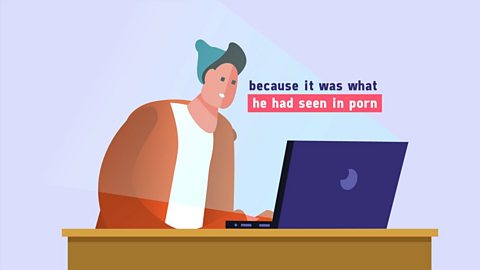
Pornography. video
This short film explores some real-life experiences around pornography.
Self Image and Mental Wellbeing. video
Using a real life story, this short film looks at the negative effects that social media can have on our mental wellbeing.

Copyright and Ownership. video
Sanah Ahsan, a spoken word poet who frequently shares her work online, talks about the dos and don'ts of sharing content, as well as what is meant by intellectual property.

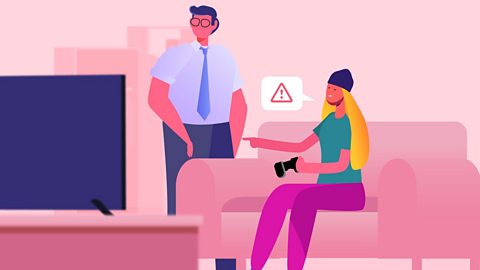
Online Gaming. video
Online gamer Pixlriffs talks about some potential dangers to look out for when gaming online, as well as the things you can do to protect yourself.
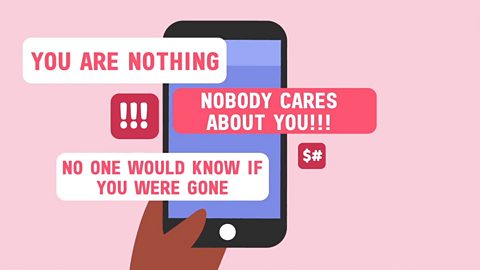
Trolling and Cyber-Bullying. video
This short film explores the consequences of online bullying, using a real life case study.
Digital Footprint. video
This short film demonstrates that what you post online can follow you in real life, via two real life cast studies.
Online Security. video
This short film offers advice on how to spot an online scam as well as tips on what you can do to protect yourself online.