| | | | | | | | | |

| | | CHECK UP
|  | |  | MISSED A PROGRAMME?
Go to the Listen Again page | | | | | | | PROGRAMME INFO | | | |
| | | Check Up is your chance to talk to doctors about the health issues that most concern you and your family. Each week Barbara Myers is joined by a medical expert to take your calls and emails on a particular topic and give you the most up to date advice. No appointment necessary.
Call 0870 010 0444
| | | | | | Contact Check Up | | | | | LISTEN AGAIN 30 min 30 min | | | |
|
|
|  | PRESENTER | | | |
| 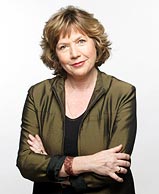 | | | | "There is no substitute for one-to-one advice from a top medical expert and that's what we offer our callers and emailers. But for each person who calls to ask for help, someone else phones in to pass on a tip or a suggestion - it's a great programme to present."
Barbara Myers | | | | |
| | | | | | PROGRAMME DETAILS | | | |
|  | | |
 Full programme transcript >> Full programme transcript >>
Premenstrual Syndrome
Premenstrual Syndrome (PMS) is a mixture of physical and emotional symptoms that affects many women towards the latter part of their menstrual cycle.
Sometimes known as Premenstrual Tension or PMT, PMS is poorly understood.
There are around 150 symptoms associated with the condition - some of the more common ones include irritability or aggression, weight gain, breast tenderness and feeling bloated.
It isn't clear exactly what causes PMS, but it often increases when hormones are unstable, for example at the start of puberty, after childbirth or due to a change in contraception.
There are several things a woman can do to alleviate the symptoms of PMS: getting adequate sleep, good nutrition and regular exercise may help.
A doctor can also prescribe a range of different medicines if symptoms are severe - these might include painkillers, the contraceptive pill or antidepressants.
If you have questions about what might be causing your PMS or how it can be treated, or if you'd like to tell us about how you've coped with your symptoms, do contact to programme.
In this episode of Check Up Barbara Myers will be putting your questions on the subject to Obstetrician and Gynaecologist Professor Shaughn O'Brien from the North Staffordshire Hospital, a member of the Royal College of Obstetricians and Gynaecologists.
Contact the Programme
Check Up is your opportunity to ask an expert about the condition. If you have a question, contact us by calling 0870 010 0444 from 1.30pm - 3.30pm on the day of broadcast or by emailing the programme - see 'Contact Check Up' link above.
PMS Lecture
Professor Shaughn O'Brien will be giving a free public lecture on PMS on Thursday June 16th, 6.30pm - 7.30pm at The Royal College of Obstetrics and Gynaecology, 27 Sussex Place, Regent's Park, London, NW1 4RG. To reserve a free place call 020 7772 6245 or email conference@rcog.org.uk
Next Week
Next week's topic is Obsessive-Compulsive Disorder.
| | |
RELATED LINKS
The National Association for Premenstrual Syndrome
Keele University: Professor Shaughn O'Brien
Woman's Health: the Menstrual Cycle
Patient UK: The Premenstrual Syndrome
PMDD and Menstruation
BBC Medical Notes: Premenstrual Syndrome
BBC Health: Premenstrual Syndrome
BBC Health: Premenstrual Syndrome - how complementary therapy can help
BBC Health: Premenstrual Breast Pain
BBC News: Heavier Women More Prone to PMS
BBC Health
BBC News Health
BBC Webguide
Net Doctor
NHS Direct
Dr Foster
The BBC is not responsible for the content of external websites
| |
| | |
|