Queen Elizabeth II death: 'Telling di bees' and oda unusual UK royal succession traditions
Wia dis foto come from, Getty Images
- Author, Fernando Duarte
- Role, BBC World Service
- Read am in 4 mins
Di death of Britain Queen Elizabeth II and di accession of King Charles III don don bring up for di first time in generations di big ceremonial nature of di Royal Family. But some of dis traditions and costumes fit surprise even those wey tink of demsef as expert of monarchy matas.
See some of di more unusual examples.
Dem pass di sad news to di bees
(Tweet from di official Royal Family account show foto of di four beehives for di grounds of Buckingham Palace)
Dis article contain content wey X provide. We ask for una permission before anytin dey loaded, as dem fit dey use cookies and oda technologies. You fit wan read di X cookie policy and privacy policy before accepting. To view dis content choose 'accept and continue'.
End of X post
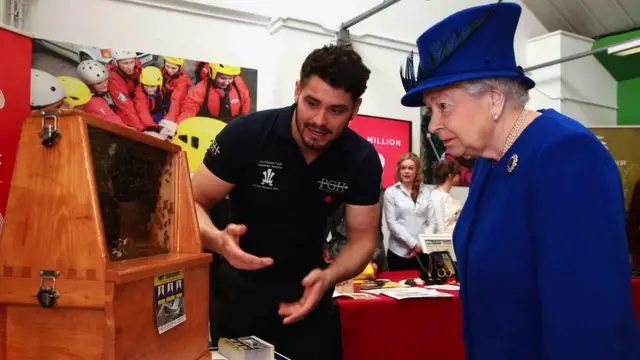
Despite huge media - and social media - coverage of di Queen's death, dem must tell some group of individuals "in pesin" about di sovereign death: her bees.
John Chapple don be di royal beekeeper for 15 years. Im keep di centuries-old tradition by informing di hives wey dem keep for di grounds of Buckingham Palace and Clarence House (Charles official house as Prince of Wales) of di sad news.
For one interview wit di Daily Mail newspaper, Chapple explain say im also ask di bees to dey good to di new king. Di ritual na part of one superstition say bees fit stop producing honey if dem no tell dem about a change of owner.
"Di pesin wey don die na di master or mistress of di hives - someone important for di family wey die - and you no fit dey any more important dan di Queen, do you?", di beekeeper tok.
"You go knock on each hive and say, 'Di mistress don die, but no go. Your master go be good master to you.'"
End of Di one wey oda users dey read well well
Di king go get double birthday too?
Wia dis foto come from, Getty Images
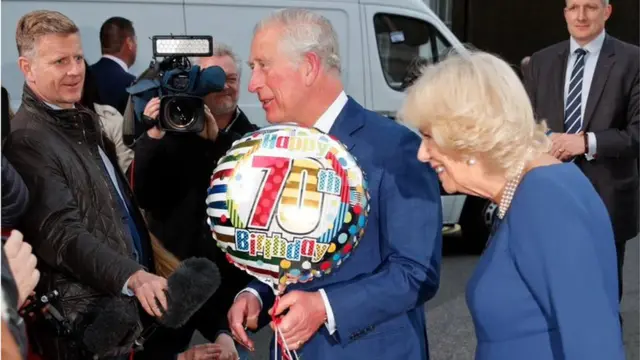
Among di many decisions King Charles III go take regarding pageantry, one na quite personal: im birthday celebrations.
Queen Elizabeth II famously bin get two birthdays: born on 21 April, di late sovereign get her official celebrations on di second Saturday for June, wit one parade wey dem know as Trooping di Colour.
Why? Well, April na usually cold month for UK for outdoor events, while summer start for June.
Di tradition dey much older, though. E first start wit George II for 1748. Na im wey decide to tie di birthday celebrations to di already existing ceremonial parade.
Charles III go keep di tradition? We no know yet, but e dey important to note say dem born di new king for November - na hardly month wey dem know for sunshine and warm weather.
"My bet be say di new king go maintain tins like dem dey, as par say dem born am for autumn month and Trooping di Colour na popular spectacle," royal historian Richard Fitzwilliams tell BBC.
Fitzwilliams, however, point out say anoda British tradition na di unpredictability of im weather, using one example of di coronation of Queen Elizabeth II, for June 1953.
"Di weather bin dey bad on dat day," im tok.
"Queens and kings no fit control di weather."
Manpower ova horsepower
Wia dis foto come from, Getty Images
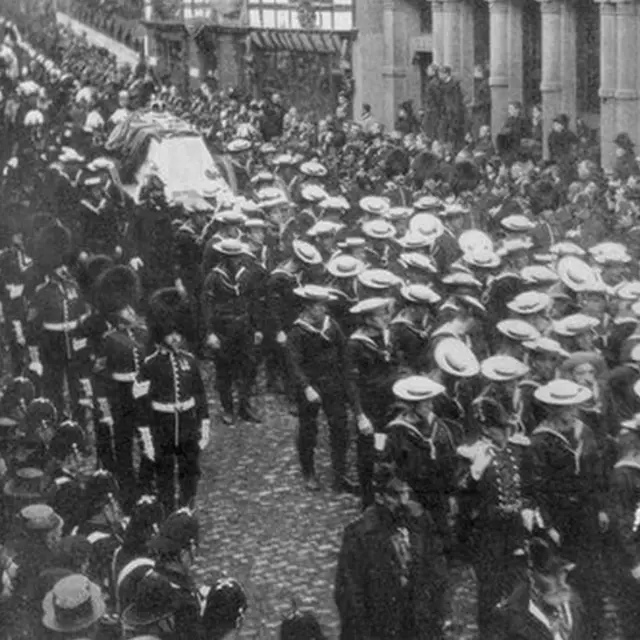
Since 1901, Royal funerals for UK dey marked by di Royal Navy sailors wey go use ropes to pull di monarch coffin, wey dem keep on top gun carriage.
Dis choice of manpower over horsepower fit dey confusing, but na tradition wey start for 1901 during di burial of Queen Victoria. On dat occasion, e bin still dey common for horses to pull di carriage wit di sovereign coffin.
But di procession bin get one moment wey make pipo fear wen di animals run.
"Di horses no react very well to di bitterly cold day and e bin turn out say dem almost drop Queen Victoria coffin," royal historian Kelly Swab tell BBC.
By order of King Edward VII, Victoria heir and di new monarch, sailors wey dey take part for funeral procession step in.
"Dignitaries from all over di world bin dey dia and di whole tin for be big embarrassment."
"Instead, e make dem born an new royal tradition out of di pure kasala," Swab add.
During di funeral of King George VI, for 1952, - di last time a monarch ceremony of dis kind take place - 138 men bin dey in charge of di job.
Di broken stick tradition
Wia dis foto come from, Getty Images
Among di pomp and ceremony wey dey expected to be on display for royal ceremonies, e get one wey few pipo go don hear.
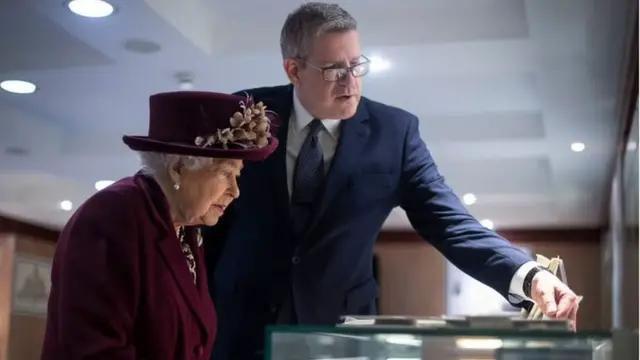
Tradition dictate one work for di Lord Chamberlain, di title wey dem give to di most di senior officer of di Royal Household and wey im ceremonial duties include to escort di sovereign to di annual parliamentary visit.
Im must break im ceremonial white staff over di grave of di dead monarch to mark di end of im service to dem.
Di current Lord Chamberlain na Andrew Parker, di former chief of MI5, one of di British intelligence agencies. Im take di post for April 2021.
Di ceremonial gesture na from hundreds of years back.
Di last time dem perform am na more dan 70 years ago wen di Earl of Clarendon break im staff over di grave of George VI, di late queen papa.
And Richard Fitzilliams say such customs give UK monarchy im own charm.
"Na sake of traditions like dis di British Royal Family dey truly unique."