Texas shooting: How gun attacks dey shape US school children
Wia dis foto come from, Getty Images
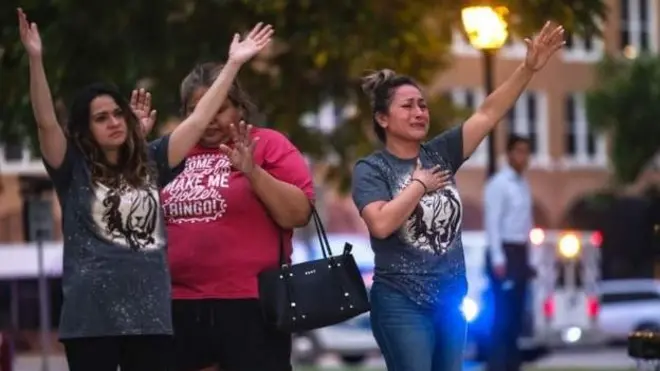
School shootings don become depressing sense of familiarity, but no be business as usual afta di media tok-tok end.
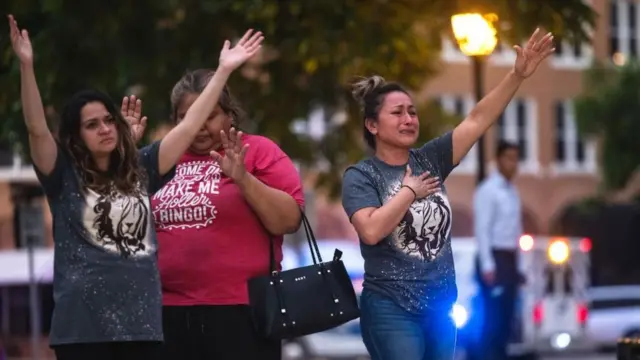
For di latest incident, 18-year-old Salvador Ramos, open fire for one primary school inside Texas, killing 19 children and two teachers.
Robb Elementary School dey teach children wey di age of between seven and 10. Ramos go on shooting spree heavily armed with one handgun, automatic rifle and high-capacity magazines.
One border police officer wet dey di vicinity for di time of shooting eventually shoot am die.
But how dis kain violent acts dey affect di daily lives of pupils for US schools plus teachers and parents?
Wia dis foto come from, Getty Images
Fortified schools
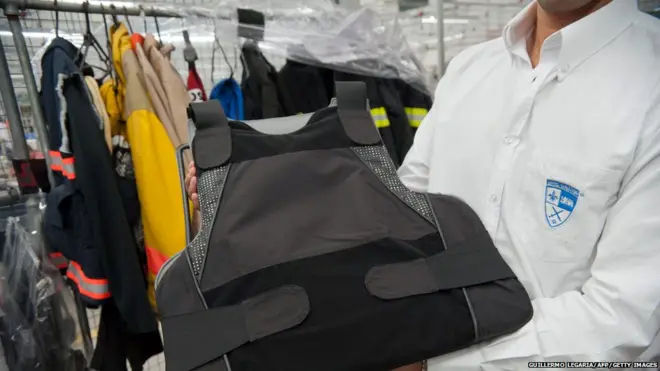
School massacres understandably don create public outcry for measures to secure schools.
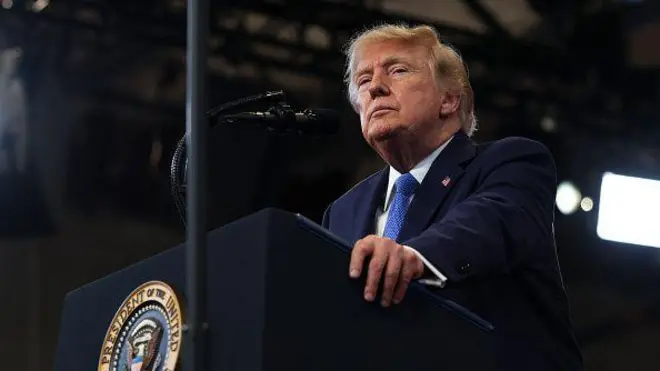
Afta di incident for Texas' Robb school, several school districts say Dem go increase police presence on campuses dis week.

End of Di one wey oda users dey read well well
Di same tin happen afta incidents for Columbine high school (1999), Virginia Tech university (2007), Sandy Hook elementary (2012) and Parkland high school (2018).
Togeda those incidents result in di killing of 88 innocent pipo.
“Each major event don result for calls to increase safety for dia respective schools and to assure individuals for dia school say dia children no go be di victims of di next Columbine, Virginia Tech, or Sandy Hook,” according to Cheryl Lero Jonson, wey be US expert on school shootings.
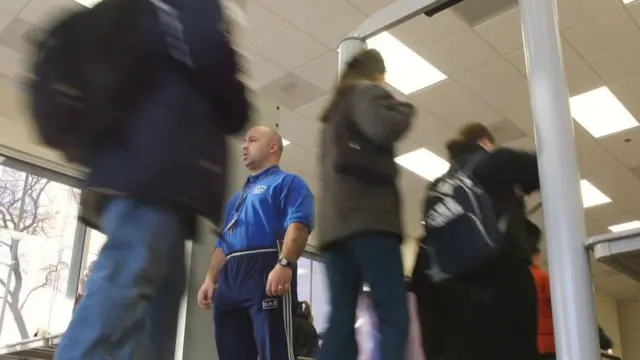
Writing for di journal Victims & Offenders, Jonson say sake of dis, metal detectors, x-ray machines, armed guards and staff allowed to carry guns enta di school don become “common place”.
Wia dis foto come from, Getty Images
‘Traumatic’ drills
US schools don also become used to planning for massacres.
Dis mean say increase dey in doing things like carrying out threat assessments, drawing emergency response plans, and having crisis teams and active shooter response plans on stand-by, Jonson tok.
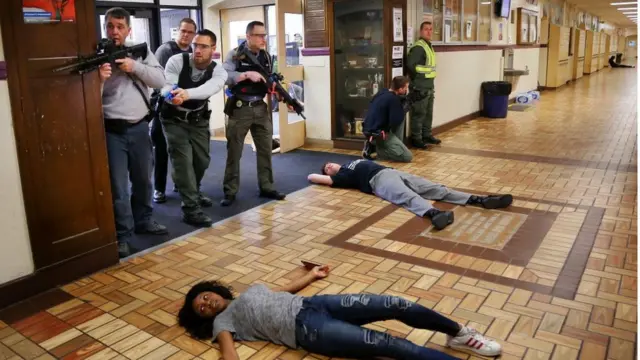
One of di most controversial policies na active shooter drills, wey Dem don dey implement for more than 95% of US primary schools, according to do organisation Everytown for Gun Safety Support Fund.
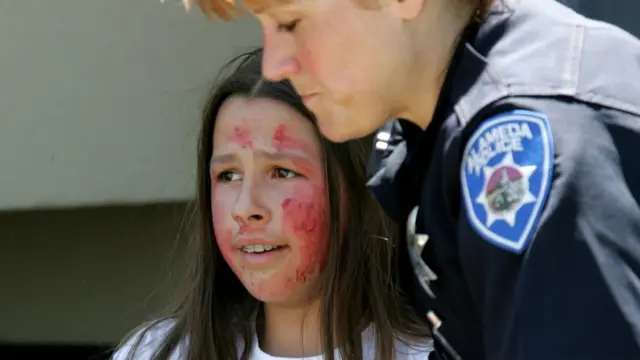
For some of di most intense cases, those mock shootings involve masked men wey carry fake guns and students playing di role of victims covered in fake blood.
For one 2020 report, Everytown say “No research” to support di effectiveness of such drills. Meanwhile, evidence suggests say active shooter drills fot actually dey harmful to mental health.
E quot one parent as saying: “My kindergartener dey stuck for di bathroom, alone, during one drill and spent one year for therapy for extreme anxiety.
“For one new school even, she still gatz to use di bathroom for di nurses’ office because she get PTSD (post-traumatic stress disorder) from that event.”
For 2019, pipo criticize one school for Indiana for leaving students traumatise and teachers “bruised” and “terrified” afta dey shot dem with pellets execution style.
"A lot of drills dey for adults - school professionals or law enforcement - to see how dem react for situations," David Schonfeld, from di National Centre for School Crisis and Bereavement, tell BBC at di time.
"To dey ask Children to pose as victims for floor covered with fake blood dey just pointless and fit dey traumatising." E add: "I dey concerned that dis drills suggest to kids say dem fit do more than dey - or anyone - actually dey capable of.
"That just creates more trauma for survivors of shootings.”
Wia dis foto come from, Getty Images
Beyond school gates
School shootings dey leave mental health impact on survivors, lead to poorer educational performance and even get impact on di wider school area, several studies suggest.
Children wey survived such shooting incidents dey more likely to dey chronically absent from school, than kids for similar schools with no history of shootings, according to one 2021 study by experts for Washington University and Pennsylvania State University.
Those pupils also dey less likely to graduate and find job earlier in dia life.
Also, e get effect for wider area - for example, economists say shootings get one economic impact as families leave di area.
And one study by Stanford University find out say di use of antidepressants by young pipo (under-20) rise by 21% in communities where school shootings don bin happen.
Maya Rossin-Slater, from di Stanford Institute for Economic Policy Research, say mass shootings “dey happen so frequently that we don dey get desensitized to dem”.
"Maybe for di pipo wey survive, they just go back to normal life because dis na just life for America.
But wetin our study show be say dis no appear to be do case.
“Wen we think about di cost of school shootings, dem dey often quantified in terms of di cost to do individuals wey die or injured, and dia families.
But di reality be say e get many more students wey dey exposed to school shootings wey survive,” she tok.
Wia dis foto come from, Getty Images
'Mass shooting generation’
According to one tally wey di specialised multi-platform group Education Week keep, do US get 27 school shootings with injuries or deaths for dis year alone.
At least 67 pipo dey injured or killed. Dem record 119 school shootings in which at least one pesin die or injured since 2018, wen do I publication start to dey collect data.
Jonson say today youth don gain di unfortunate label of di “mass shooting generation”.
But upon getting numerous impacts on pipo lives, shootings never dey able to sway public opinion on gun control, with Republican politicians and voters still regarding gun ownership favourably.
House Speaker Nancy Pelosi say di Texas gunman don "steal di futures of children" and criticised some in Congress members for offering “hollow words afta shootings while opposing all efforts to save lives".
Texan Republican Senator Ted Cruz say di shooting na "act of evil and mass murder" but insist say gun control policies no go prevent such incidents.