Future foods: Wetin you fit dey eat by 2050 as world dey experience warming
Wia dis foto come from, Getty Images
- Author, Helen Briggs
- Role, Environment correspondent
- Published
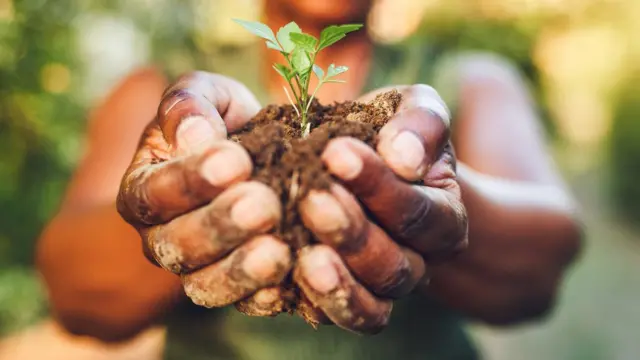
Scientists don draw up a list of little-known plants wey fit be on di menu by 2050.
In di future, you fit dey take false banana as breakfast or use pandanus tree fruit as snacks.
Di Ukraine war don highlight di dangers of relying on a few crops wey dem dey trade globally.
Wit 90% of calories coming from just 15 crops, expert for di Royal Botanic Gardens for Kew, London dey hunt for ingredients to future-proof our diets.
Climate change dey increase di risk of severe 'food shocks' where crops fail and prices of staples dey rise rapidly around di world.
Diversifying di food wey we dey eat na one of di solutions to alleviate hunger, address biodiversity loss and help to adapt to climate change, Kew researcher Dr Sam Pirinon tok.
"We know say thousands of edible plant species dey across di world wey different population dey consume. And dis na where we fit find some of di solutions for dis global challenges of di future," im tok.
Na only 417 edible plants dey widely grown and used for food out of di more dan 7,000 of dem wey dey globally.




End of Di one wey oda users dey read well well
Di pandanus
Di pandanus (Pandanus tectorius) na small tree wey dey grow in coastal areas from di Pacific Islands to di Philippines. Dem dey use di leaves to flavour sweet and savoury dishes across plenty areas in Southeast Asia, while you fit eat dis fruit wey be like pineapple raw or cook am.
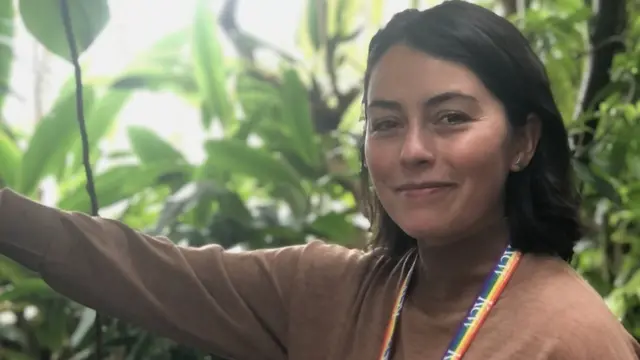
Di tree fit tolerate challenging conditions, including drought, strong winds and salt spray, research fellow at Kew, Dr Marybel Soto Gomez tok.
"Na fruit wey dey resilient to climate and e also dey delicious," she tok. E go dey great to diversify our food portfolio to include food wey dey culturally appropriate, nutritious and wey fit grow for challenging conditions all around di world."
If di Pandanus fit dey used sustainably, without wasting resources for local pipo, we gass dey grow am more widely, she tok.
Beans
Beans, or legumes, na anoda "food of di future". Dem dey cheap, high in proteins and B-vitamins, and dem dey adapt to different kind of environments from ocean shores to mountain slopes.
Na 20,000 species of legumes dey for di world, but we use only small. Tori be say hundreds still dey in di wild wey dey unknown to scientists.
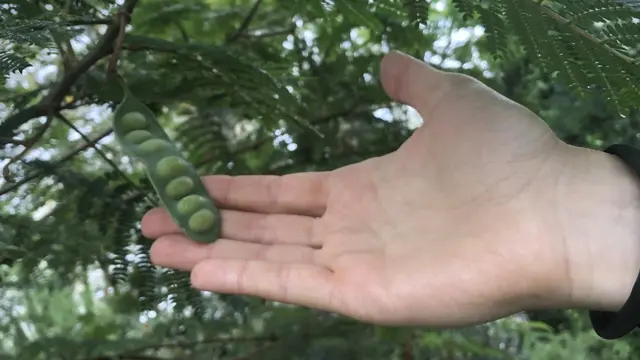
Di morama bean (Tylosema esculentum) na staple in parts of Botswana, Namibia and South Africa, where dem dey boil di beans wit maize or ground am to a powder to make porridge or a drink wey be like cocoa.
No be all legumes pipo fit chop, but experts dey explore di properties of different species to see which ones fit provide food and nutrients.
Wild cereals
Cereals, wey come from grasses, also get huge diversity, with more dan 10,000 species - wey dey offer lots of potential for new foods.
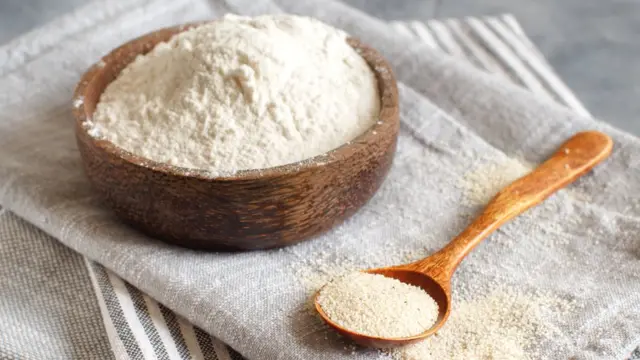
Fonio (Digitaria exilis) na nutritious African cereal wey dem dey use make couscous, porridge and drinks. Dem dey cultivate am locally as a crop. Di plant fit tolerate dry conditions.
Wia dis foto come from, Getty Images
False banana
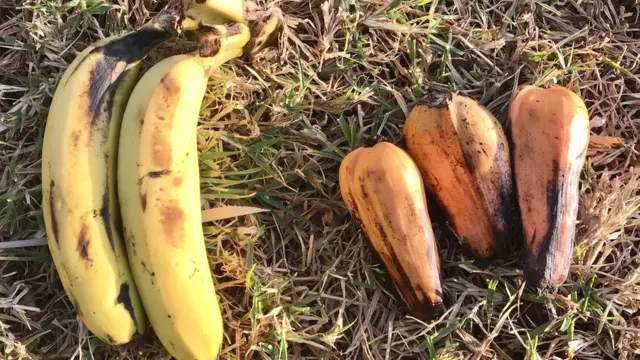
Enset or "false banana" na close relative of di banana, but dem dey consume am only for one part of Ethiopia.
You fit chop part of di plant wey be like banana, but you fit ferment di starchy stems and roots to make porridge and bread.
Studies suggest say di crop wey be like banana get di potential to feed more dan 100 million pipo in a warming world.
Wia dis foto come from, RBG Kew