USSD: Why CBN, Nigerian banks want you to pay for USSD charges
Wia dis foto come from, PHILIP OJISUA
On Tuesday 16 March di Central Bank of Nigeria and di Nigerian Communications Commission impose new charge for mobile banking services as part of process to end disagreement between banks and telecoms operators.
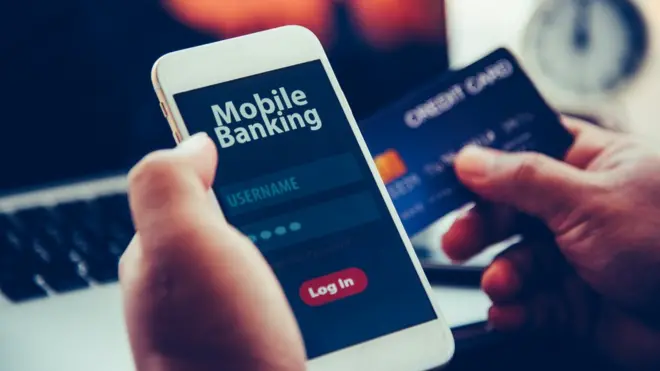
Nigeria highest bank say starting from Tuesday, customers na dem go pay flat fee of N6.98 per transaction every time dem use di Unstructured Supplementary Data Services alias USSD services.
Dis new charges according to CBN for inside statement wey dem release na part of di agreement wey dem reach wen di banks and telecommunication operators been meet on Monday to discuss di N42bn debt wey banks dey owe mobile operators.
So for every time you do transaction wit your bank short code na N6.98 charge you go pay.
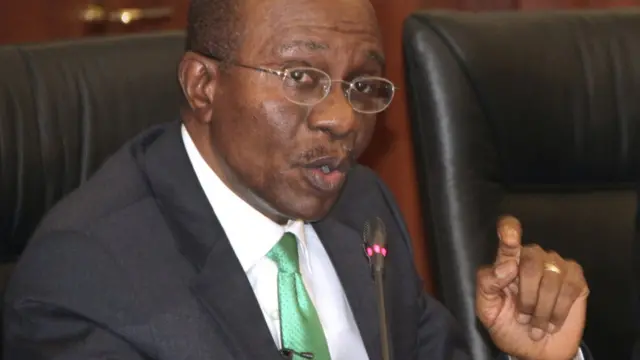
For inside di statement wey CBN chairman, Gbenga Adebayo, and head of operations, Gbolahan Awonuga sign, CBN say di withdrawal charge don become necessary afta dia members and banks fail to reach agreement on payment structure wey no go involve phone users.
"Di banks, however, provided no assurances to our members dat such service fees charged to customers' bank accounts for access to bank services through di USSD channel go dey discontinued afta implementation of end-user billing by our members."
CBN say dis na to promote transparency for dia administration, and banks go collect di new USSD charges on behalf of mobile network operators directly from customers' bank accounts. Dem also add say Banks "no fit impose additional charges on customers for use of di USSD channel."
USSD meaning
USSD (Unstructured Supplementary Service Data) na Global System for Mobile Communications wey you dey use to send text messages. USSD dey similar to Short Message Service (SMS). Dem dey use USSD for several purposes but our focus na on banking services.
End of Di one wey oda users dey read well well
First, when you dial number wey start wit * and end wit #, you dey use USSD. Second, USSD currently na di best available communications technology to deliver mobile financial services to low-income customers.
Unlike banking apps wey need internet access and smartphone functionality, USSD banking fit work on any mobile device, including feature phones.