Why we no fit remember wen we be babies?
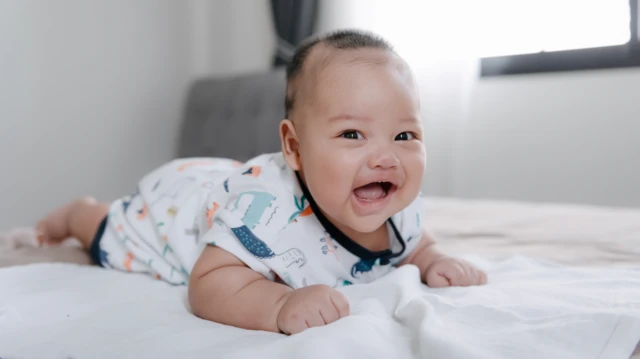
Wia dis foto come from, KDP via Getty Images
- Author, Maria Zaccaro
- Role, BBC World Service
- Published
- Read am in 5 mins
Wen dem born us, our first steps, our first words na all ogbonge events for our lives, but we no fit remember am. Why?
Neuroscientists and psychologists don dey reason dis question for decades.
Dem dey call di inability to remember some events from di first few years of life say na infantile amnesia and many theories dey from ova di years to explain why e dey hapun.
Nick Turk-Browne wey be professor of psychology and neurosurgery for Yale University for America say di koko of di debate na just two main questions: we dey make memories for our early years but no fit reach dem later or we no dey make memories at all till we don grow up?
According to Prof Turk-Browne, till di last decade, researchers bin reason say babies bin no dey make memories. Some believe say na bicos of lack of dia fully-formed sense of self or di ability to tok.
Wia dis foto come from, Science Photo Library via Getty Images
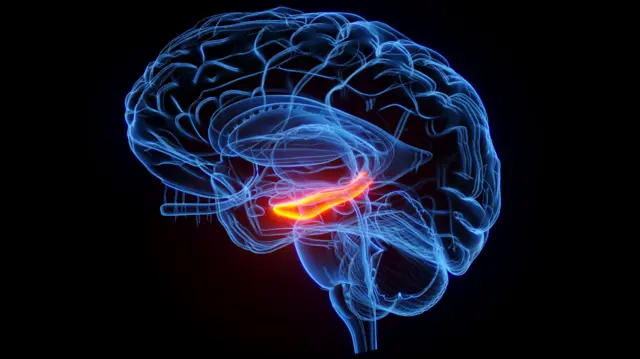
Anoda hypothesis wey e explain be say we no fit make memories till di age of like four years old bicos di hippocampus wey be di part of di brain wey dey responsible for laying down new memories neva grow finish.
Prof Turk-Browne tok say, "e dey more dan double for size wen pikin still small. And so maybe di early experiences wey we get no fit dey stored bicos we no get wia to store am keep".
Scanning a baby brain
But one study wey dem publish by Prof Turk-Browne by imself earlier dis year be like say e no gree for di idea.
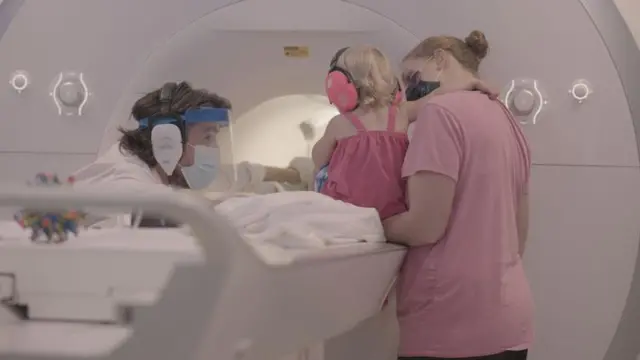
Im team show 26 babies dem, from four months to two years, plenti pictures dem as dem dey scan di baby brain and measure dia hippocampal activity.
Dem come show di babies one of di pictures dem show dem bifor togeda wit new one and measure di babies eyes movement to analyse which of di two pictures dem look pass.
If na di old picture, di researchers see am as sign say di babies bin remember am as e bin show from previous studies.
Wia dis foto come from, 160/90
Di researchers find say wen baby hippocampus dey more active wen dem see image di first time, dem dey more likely to remember am especially if di baby dey older dan 12 months.
E suggest say di hippocampus dey able to encode some kain memory by like one year old.
Wia di memories waka go?
Prof Turk-Browne say im team study na "first step" for establishing weda babies dey really form memories for di hippocampus, but e still need plenti more research.
E ask say "if we dey store dem, e go raise beta questions about wia di memories dey? Dem still dey dia? We fit access dem?"
Study wey dem publish for 2023 find out say mice wey learn how to comot one maze as pikin forget am by adulthood. But wit artificial activation of di parts of di hippocampus wey dey involved for di original learning, e fit bring di memories back.
Weda human babies dey store memories wey somehow dey inactive as dem dey grow still dey yet to be seen.
Catherine Loveday, wey be professor of neuropsychology for di University of Westminster for UK follow for di believe say infants fit make memories, at least by di time dem start to tok.
Her argument be say, "we know say young pikin go come back from nursery tok wetin hapun and no go fit describe am years later. So di memories dey, e no just dey stick.
"I tink di question na di level we dey keep di experiences ova time, weda dem dey fade fast and what extent dem be conscious memories wey dem go fit bring back and tink about am."
Wia dis foto come from, Ullstein bild via Getty Images
E fit be fake memory?
Wetin fit add complicate our understanding of infantile amnesia na bicos e fit dey "almost impossible" to establish weda sometin wey pipo tink say na dia first memory na actually am, according to Prof Loveday.
Some of us fit remember one incident wen we be small pikin for instance.
Prof Loveday say dat kain memories no dey likely to be genuine recollections for genuine experiences.
She explain say, "di tin about memory na say na always reconstruction. So if pesin tell you sometin and you get enough informate about am, your brain fit reconstruct sometin wey feel very real."
She add say, "wetin we dey look na consciousness and consciousness, na sometin wey dey hard to pin down".
Prof Turk-Browne tink say di mystery wey surround infantile amnesia na about di koko of wetin make us, us.
E say, "na about our identity and di idea say we get dis blind spot for di first few years of our lives, wia we no remember tins, I tink e really dey challenge pipo and how dem dey tink about dia selves".