Wetin dey happun for our brain as we die?
Wia dis foto come from, Getty Images
- Author, Margarita Rodríguez
- Role, BBC News Mundo
- Published
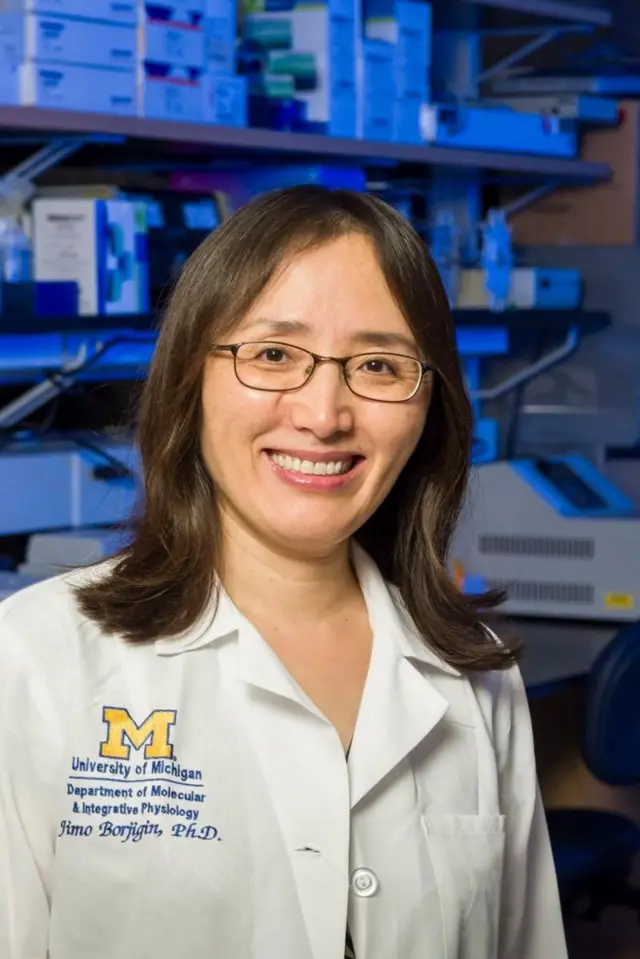
Neuroscientist Jimo Borjigin bin dey surprised wen she find out say we sabi "almost notin" about wetin happun to di brain wen we die even though "dying na essential part of life".
Dis tin just land im head around ten years ago by "pure accident".
She tell BBC Mundo say, "We bin dey do experiments on rats and bin dey monitor dia brain neurochemical secretions afta surgery."
Den two of dem just die.
E allow am to see di death process of dia brains.
She bin reason weda one of di rats bin dey hallucinate becos, "one of di rats bin show massive secretion of serotonin. Di serotonin dey linked to hallucination."
Dat kain rise in serotonin wey be mood regulating chemical na im ginger her curiosity.
"So I start to dey do literature review ova di weekend, as I dey reason say explanation go dey. I dey surprised to find out how small we sabi about di dying process."



End of Di one wey oda users dey read well well
Since den, Dr Borjigin wey be associate professor of molecular and integrative physiology and neurology for di University of Michigan don give herself to study wetin dey happun for brain wen we wan die.
And wetin she find out no be wetin pipo bin dey tink.
Di definition of death
Wia dis foto come from, Getty Images
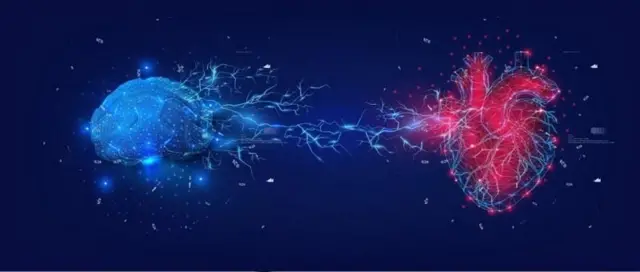
She explain say for long if pesin no get pulse afta cardiac arrest, dem go call am clinically dead.
For dis process, na di heart di focus dey stay. "Dem dey call am cardiac arrest, but dem no dey call am brain arrest.
"Di scientific understanding be say di brain dey look like e no dey work becos no response dey, dis pipo no fit tok, or stand or sidon."
Di brain need plenti oxygen to work. If di heart no pump blood, oxygen no fit reach am.
She explain say, "so all surface signs go show say di brain no dey work again or at least di brain dey hypoactive, not hyperactive."
But her team show somtin different.
Brain in ‘hyperdrive’
For one 2013 study on rats, dem observe ogbonge activity for several neurotransmitters afta dia heart stop.
"Serotonin increase times 60 and dopamine wey be di chemical wey dey make pesin feel good increase by like 40 to 60 fold. And norepinephrine wey dey make you dey very alert increase about times 100."
She say e no dey possible to see dat kain level wen di animal still dey alive.
For 2015, di team publish anoda study on di brains of rats wey dey die.
She say "for both cases, 100% of di animals show ogbonge great functional brain activation. Di brain dey in hyperdrive, e dey for hyperactive state."
Gamma waves
Wia dis foto come from, Getty Images
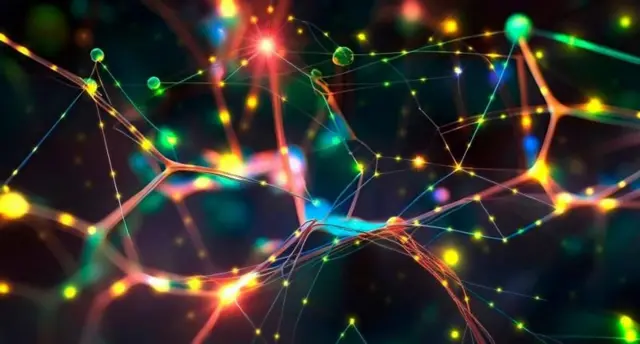
For 2023, dem publish one piece of research wey dem focus on four patients wey bin dey coma and on life support and fit dem wit electroencephalography electrodes wey go scan di activity of di brain.
Dis four pipo bin dey die. Doctors and families come togeda and "believe say dia case don pass help, so dem decide say dem go let dem go."
Wit dia family permission, dem off di ventilators wey bin dey keep dem alive.
Di researchers kon find out say two of di patients bin get highly activated brain wey be say na cognitive functions cause am.
Dem also detect gamma waves wey be di brain fastest waves. Gamma waves dey work for complex information processing and memory.
One of di patients bin get high activity for di temporal lobes for both sides of di brain.
Dr Borjigin say di right temporoparietal junction dey known to dey very important for empathy.
"Many patients wey survive cardiac arrest and don get near death experiences say e make dem beta pesin sake of say dem kon get empathy for oda pipo."
Near-death experiences
Wia dis foto come from, Getty Images
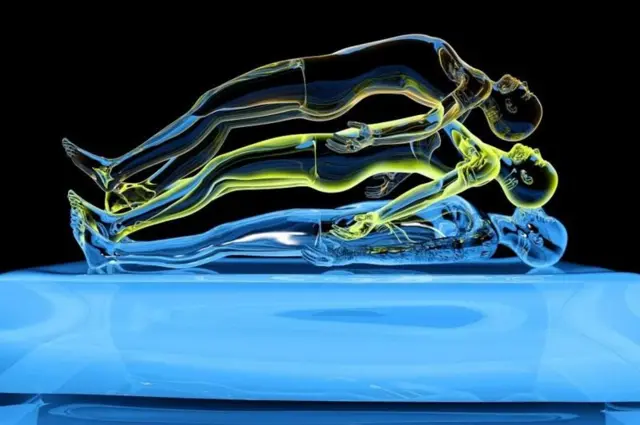
Some pipo wey don face near death experiences say dem see dia lives flash for dia eyes or remember important moments.
Many tok say dem see ogbonge light and odas say dem dey look for demsefs from up.
Di hyperactive brain wey Dr Borjigin observe for her studies fit explain why some pipo dey get dis kain intense experiences wen dem dey near death? She tok say e fit explain am.
"At least 20%-25% of cardiac arrest survivors say dem see white light or see somtin, so e suggest say di visual cortex dey active."
For di case of di two patients wey dem observe high brain activity afta dem off ventilators, di researcher tok say dia visual cortices (part of di brain wey support conscious vision) show ogbonge activation "wey fit correlate wit dis visual experience".
A new understanding
Wia dis foto come from, UNIVERSITY OF MICHIGAN
Dr Borjigin agree say her study for humans dey very small in size true true and more research dey needed on wetin dey do di brain wen we dey die.
But afta ova 10 years of research for dis mata, one tin she sabi be say, "I tink say di brain dey hyperactive during cardiac arrest."
But wetin dey do di brain wen e find out say e no dey get oxygen?
"We dey try to understand dat. So e get little in di literature. Really, notin dey known," she tok.
But she use hibernation take explain say as animals, at least for rats and humans, we get endogenous mechanism to deal wit lack of oxygen.
"Until now, di brain dey thought to be di innocent bystander of cardiac arrest: wen di heart stop, di brain just drop dead. Na di current tinkin be dat: di brain no fit deal wit dis and just die."
But, she insist, we no know if dat na di case for sure.
She believe di brain no just dey take off im boxing gloves easily. Just like in responses to oda crises; e dey fight.
She say, "Hibernation na one of di very good examples wey I believe show say di brain get di mechanism to survive dis mata or lack of oxygen. But e still need investigation."
Much more to discover
Dr Borjigin consider say wetin she and her team don find for dia studies na just di tip of giant iceberg and add say a lot still dey to discover.
"I believe say di brain get endogenous mechanisms to handle hypoxia (wen e no dey get oxygen) wey we no dey understand.
"So for surface we sabi say pipo wey face cardiac arrest get dis ogbonge, subjective experience, and our data show say na becos of di increase in brain activity.
"Now di question be say, why dying brain dey get heightened brain activity?"
She say, "We need come togeda to understand, study, research, to find out becos we fit dey make premature diagnosis of death for millions of pipo, since we no sabi di mechanism of death."