Wetin pipo dey 'see' wen dem dey die and di end don come?
Wia dis foto come from, Christopher Kerr
- Author, Alessandra Corrêa
- Role, BBC News Brasil
- Published
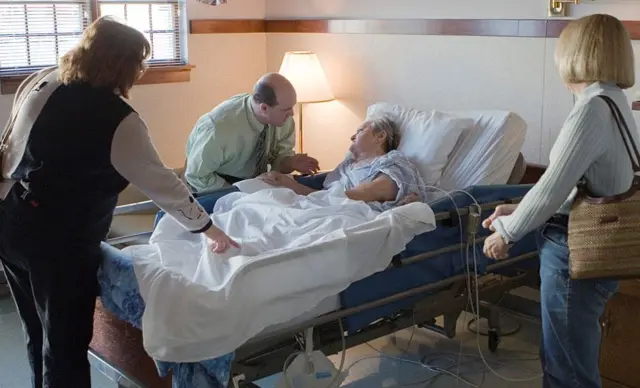
For April 1999, US doctor Christopher Kerr see sometin wey change di full course of im career.
One of im patients, Mary bin dey hospital bed wit her four adult children and bin dey die small-small wen she start to dey act strange.
Di 70-year-old siddon for her bed and start to dey move her hands like say she dey play wit baby wey na only her dey see. She call am Danny and e be like she dey hug and kiss am.
Her pikin dem no understand wetin bin dey happun becos dem no sabi pesin wey dem dey call Danny.
But di next day, Mary sister come explain say she bin born one pikin wey die for belle wey dem call Danny bifor she born di rest.
Di death pain am sotay she no gree tok about di pikin again.
Kerr, wey bin first study as ordinary medical doctor, e come specialise for cardiology and also get PhD for neurobiology. E bin find dis mata so interesting sotay e decide say im go change direction and dedicate imself to study wetin dying pipo dey experience.
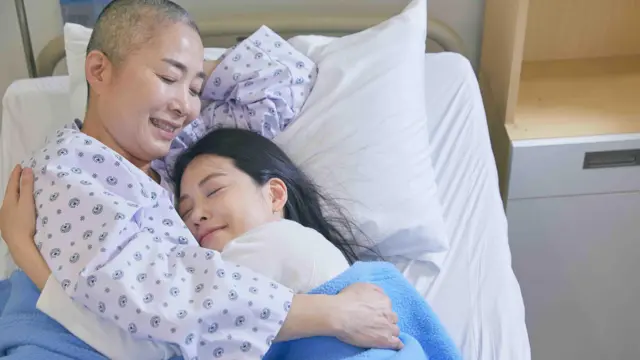
Wia dis foto come from, Plan Shoot / Imazins / Getty Images
'A sense of peace'
Now, 25 years afta e meet Mary, Kerr dey considered as one of di leading sabi pipo for di world for di study of visions and dreams wey dying pipo dey get wen dem wan go.




End of Di one wey oda users dey read well well
E say dis experiences dey normally start weeks bifor dem go and e dey increase as di end dey near.
Kerr say e don see pipo dey go through di most important moment for dia lives as well as talking to family members and even pets sef wey don die leave dem.
For patients, dis visions dey look real and normally dey bring peace.
Kerr tell BBC Brasil say, "dis relationships dey normally come back for meaningful and comforting ways wey go stamp di life di pesin don live and go come reduce di fear to die."
Kerr insist say di patients no dey confused and say as dia physical health dey drop, dem dey emotionally and spiritually present.
But most doctors no dey send dis mata say na hallucination or na sake of confusion and say scientific research still dey needed bifor dem fit conclude.
Bicos of dat, Kerr start to do di first study for US for 2010 wey launch survey to ask patients wey don almost die wetin be dia experience.
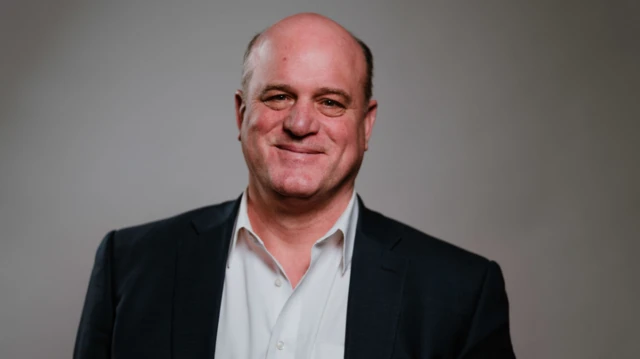
Wia dis foto come from, Christopher Kerr
All patients bin dey screened bifor dem participate to make sure say dem no confise.
Bifor dis studies, most of di tins pipo dey hear about dis experiences dem na from anoda pesin wey dey tok wetin dem tink say di pesin wey die dey see.
Di results don dey published for plenti several scientific journals even for di Swedish National Library of Medicine.
Kerr neva find wetin be di koko wey dey cause dis experiences but e say no be wetin im studies dey try do.
E say, "di fact say I no fit explain di source and di process no mean say di patient experience na lie."
Kerr dey work as di oga of one joinbodi wey dey give patient palliative care for Buffallo, New York State.
Im publish one book wey im call Death Is But a Dream: Finding Hope and Meaning at Life's End, for 2020 and dem don translate am to 10 languages.
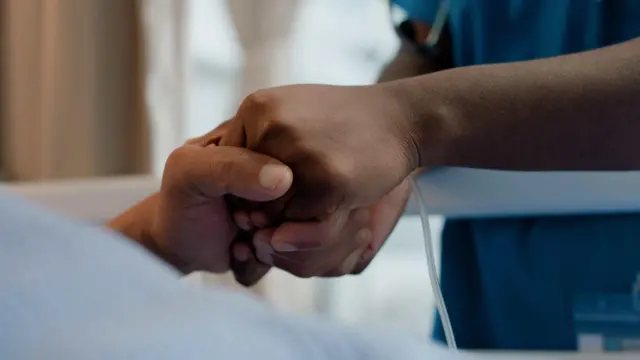
Wia dis foto come from, Getty Images
For di study, dem find out say about 88% of pipo report say dem bin get dis kain experience at least once.
Di rate dey about 20% higher dan wetin don dey reported.
Kerr tok say na "bicos for our study, na everiday we dey ask pipo... if you come meet dem on Monday, e fit dey different dan on Friday."
E add on di experience of death say, "wetin we go expect na say pipo wey dey face di end of dia life go stress or go through psychologic distress. We no dey normally see dat kain tin. "
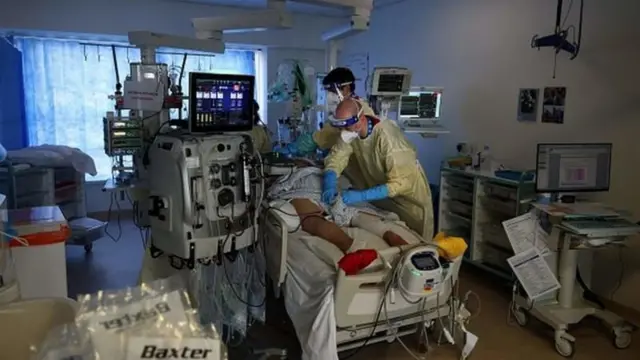
Wia dis foto come from, Getty Images
Travelling
About 33% of patients tok say wetin dem experience be like dem dey travel and most times na say dem dey remember pipo wey dem don love and lose.
Kerr differentiate di experiences into three wey im call comforting, neutral and discomforting and e explain which role each of dem dey play for di end of life process.
Comforting na for di time wey dis pipo wey don almost die dey see oda pipo wey don die already wey dem love.
Kerr tok say, "Seeing visions of di dead increase as dem dey near death. Dem bin report am as di most comforting experiences." Even for dis experience wey dem dey see, e dey interesting to note say dem fit see one parent or one sibling wey mata more to dem pass di oda one.
But for neutral or most especially discomforting experiences, Kerr say na dia pipo dey find healing.
E say, "about 12% of pipo don get dreams wey dem tok for di questionnaire say, dey either neutral or discomforting. Di discomforting experiences na im dey very transformative or meaningful. So any wound wey you get na for those experiences you fit address am."
But e no mean say confusion or delirium no dey come for pipo wey dey die soon, but no be di same tin wit di experiences wey Kerr don tok about earlier.
E say, "pipo no dey comot from delirious experiences wit comfort. Dis kain experience dey scary and dey make patients to dey medicated or dem go tie dem for bed."

Wia dis foto come from, Getty Images
Dreams
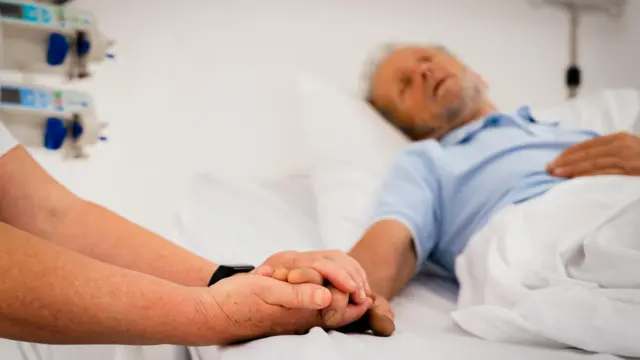
Sometimes patients dey dream, but oda times dem dey awake, Kerr tell BBC Brasil say e dey 50-50.
E explain say, "dyng dey include progressive sleep, days and nights no make sense again and di clock don lost and bicos dem dey vote say di way dia visions dey real for dem na 10 ova 10, we no sure."
Wia dis foto come from, Getty Images
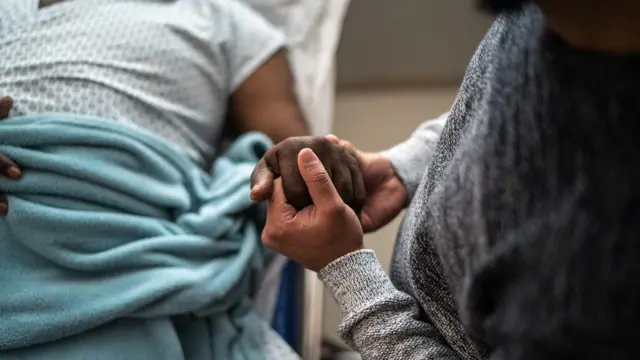
But di experiences wey terminally ill pikin dem get different and dem dey pass through di experiences beta.
Kerr say, "na bicos dem no get any filter. Dem no get concept of mortality so dem dey live in di moment.
"Di way dem dey run di experiences dey very creative and colourful. If dem no know pesin wey do die, dem go know animals wey don die and na dem dem dey "see" clearly".
Wia dis foto come from, Getty Images
Families
For pipo wey see dis experiences, di way dem dey take mourn di death of dia loved ones dey different sake of say e go change how dem dey take remember di pesin.
"We don publish two papers on dis wit 750 interviews and e dey interesting. Di koko be say, wetin good for di patients, good for dia loved ones," na how Kerr reason am.
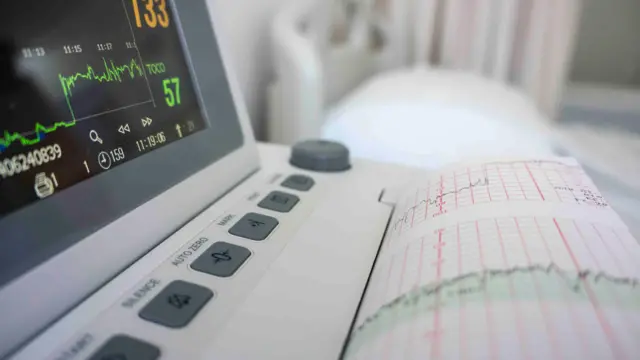
Even as Kerr get PhD for neurobiology so, e still be ogbonge experience for am to see patients wen dem dey go through di experience.
E say, "wetin e mean to di patient dey so clear and precise, e almost be like say I dey intrude."
Wia dis foto come from, Getty Images
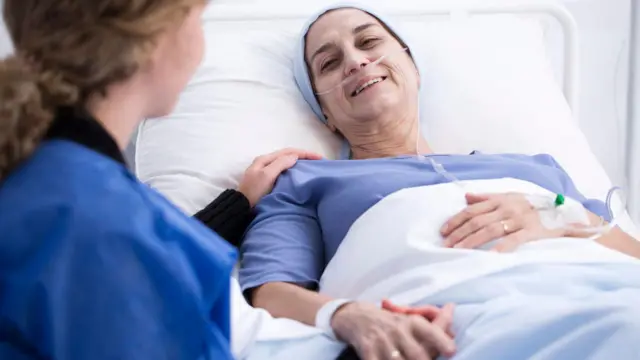
Wen it comes to tok-tok about dis mata, na always from humanities and e no dey eva come out from di medical field. And Kerr say di lack of tok from di medical community don dey worse ova di years.
Infact, di reason why Kerr bin start im research na bicos oda doctors bin wan see evidence of wetin di patients dey experience bicos say dem bin no appreciate am well well.
But e come later find out say, di pipo e bin wan prove di experience to no mata. E say, "so pipo wey dey provide care no really care about dis tin but pipo wey dey get di care, dey participate for care given, or wey just dey reason dia own death, na dem embrace dis work. E dey very interesting."
Wia dis foto come from, Getty