Dem be Israel 'eyes on di border' - but dem no listen to dia warnings about wetin Hamas dey do

- Author, Alice Cuddy
- Role, BBC News, Israel
Dem know dem as Israel eyes on di Gaza border.
For years, units of young female recruits get one job here. And di job na to sidon for surveillance bases for hours, dey look for signs of anything suspicious.
For di months wey lead up to di 7 October attacks by Hamas, dem begin to see tins: practice raids, mock hostage-taking, and farmers wey dey behave strangely for di oda side of di fence.
Noa, no be her real name, tok say dem go pass information about wetin dem dey see give intelligence and higher-ranking officers, but dem dey powerless to do more. "We just be di eyes," she tok.
E dey clear to some of these women say Hamas dey plan sometin big - dat e get, for Noa words, "balloon wey go burst".
Di BBC now don follow these young women tok about di escalation in suspicious activity dem observe, di reports dem file, plus wetin dem see as lack of response from senior Israel Defense Forces (IDF) officers.
We don also see WhatsApp messages di women send months before 7 October, wey tok about incidents for di border. To some of dem e become dark joke: who go dey on duty wen di inevitable attack come?
These women no be di only ones wey raise alarm, and as more testimony dey gada, anger at di Israeli state - and questions over dia response – dey gada momentum.



End of Di one wey oda users dey read well well
Di BBC bin also follow grieving families wey lost dia daughters tok, and to experts wey see di IDF response to these women as part of a broader intelligence failure.
Di IDF tok say "currently dia focus na to eliminate threat from di terrorist organisation Hamas" and dem refuse to answer BBC questions.
"Di problem na say dem [di military] no connect di dots," one former commander for one of di border units tell di BBC.
If to say dem listen, she tok, dem for don know say Hamas dey prepare something extra.
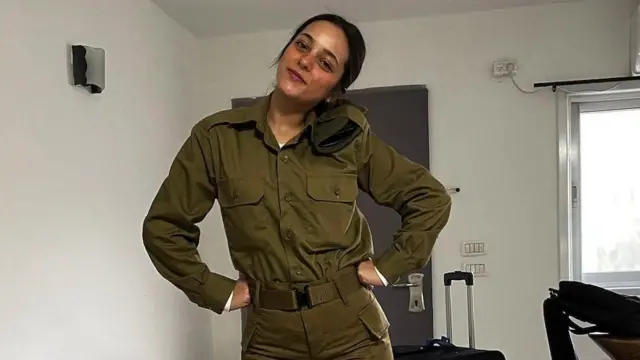
19-year-old Shai Ashram, na one of di women wey bin dey on duty on 7 October. Inside one call wit her family, di family fit hear gunshots for di background, she tok say "terrorists dey di base plus di mata go dey really big".
She be one of more dan a dozen surveillance sojas Hamas kill. Dem take di odas hostage.
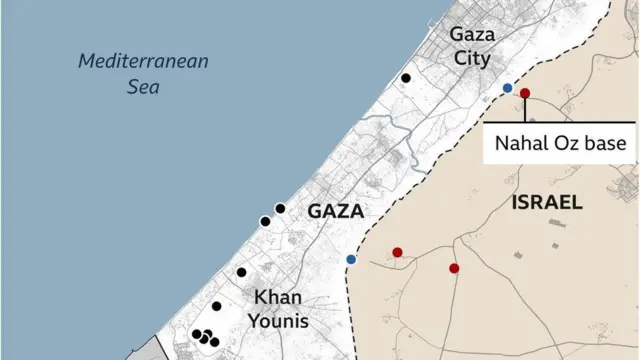
As Hamas attack, di women for Nahal Oz, one base wey dey about one kilometre from di Gaza border, begin say goodbye to one anoda on dia shared WhatsApp group.
Noa, wey no dey on duty and dey read di messages from house, remember say she think say "e don happun". Di attack wey dem fear for a long time now dey really happun.
Becos of di locations of dia bases, di women of dis military unit – wey dey known as tatzpitaniyot for Hebrew – bin dey among di first Israelis Hamas reach afta dem tear comot Gaza.
'Our job na to protect all residents'
Di women sidon inside rooms close to di border, dey look for hours every day for live surveillance footage wey cameras capture along di high-tech fence, and balloons wey hover ova Gaza.
Plenty of these units dey next to di Gaza fence, and odas for different positions along Israel borders. Most of dem na young women, wey dey for dia late teens to early 20s. Dem no dey carry guns.
For dia free time, di young women go learn dance routines, cook dinners together, and watch TV programmes.
For many, dia time for di military na di first time dem go live away from dia families, and dem describe say dem form sisterly bonds.
But dem say dem take dia responsibilities seriously. "Our job na to protect all residents. We get very hard job - you sit on shift and you no dey allowed to comot eyes or move your eyes even a little. You gatz always dey focused," Noa tok.
One article wey di IDF publish for late September list di tatzpitaniyot alongside Israel elite intelligence units as those wey "know everything about di enemy".
Wen di women see something suspicious dem go log am in wit dia commander and on a computer system wey more senior officials dey assess.
Retired IDF Maj Gen Eitan Dangot tok say tatzpitaniyot play major role in "pushing di button wey say something dey wrong", plus di concerns dem raise wit a commander supposed dey passed up di chain "to create an intelligence picture".
E tok say di look-outs provide key "pieces of di puzzle" in understanding any threats.
For di months wey lead up to di Hamas attacks, senior Israeli officials give public statements wey suggest say dem don contain di threat wey Hamas dey pose.
But many signs bin dey along di border say something dey very wrong.
For late September, one observer for Nahal Oz bin write for one WhatsApp group of friends for di unit: "What, another event dey?"
One reply quickly follow by voicenote: "Girl, wia you been? We dey get one every day for di past two weeks."
Di look-outs we follow tok describe a range of incidents dem observe in real-time for di months before 7 October, wey lead some to get concerns say attack dey come.
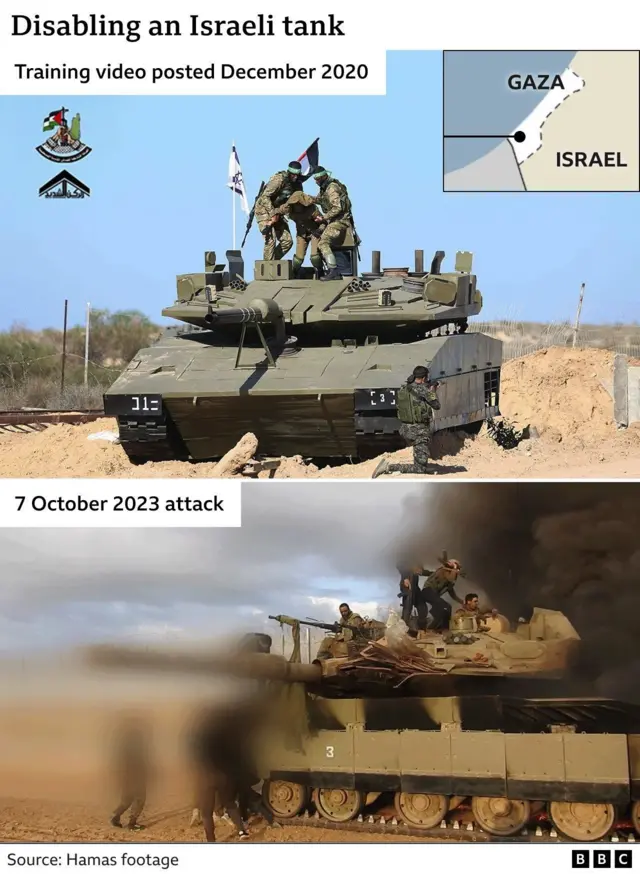
"We go see dem dey practice every day how di raid go look like," Noa, wey still dey serve for di military, tell BBC. "Dem even get model tank wey dem take dey practice how to take ova.
"Dem also get one model of weapons on di fence and dem go also show how dem go blow am up, and co-ordinate how to take ova di forces and kill and kidnap."
Eden Hadar, anoda observer from di base, remember say at di start of her service, Hamas fighters bin dey do mainly fitness training for di section she dey look over. But in di months before she comot di military for August, she bin notice a shift to "actual military training".
For different base along di border, Gal (no be her real name), she tok say she bin dey watch as di training increase.
She bin watch, through surveillance balloon, as dem build di same model of one automated Israeli weapon on di border "for di heart of Gaza", she tok.
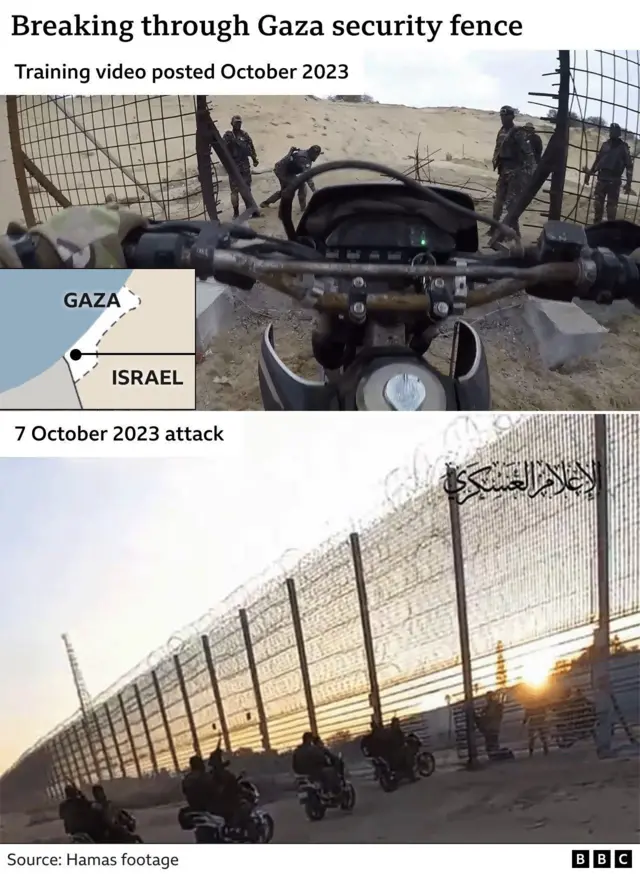
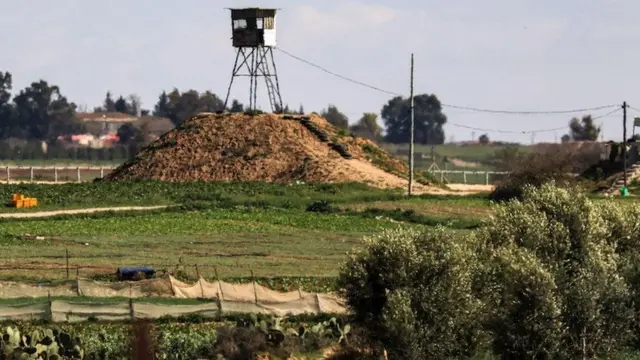
Several women also describe bombs wey dem plant and detonate near di fence - known as Israel Iron Wall - seemingly to test dia strength.
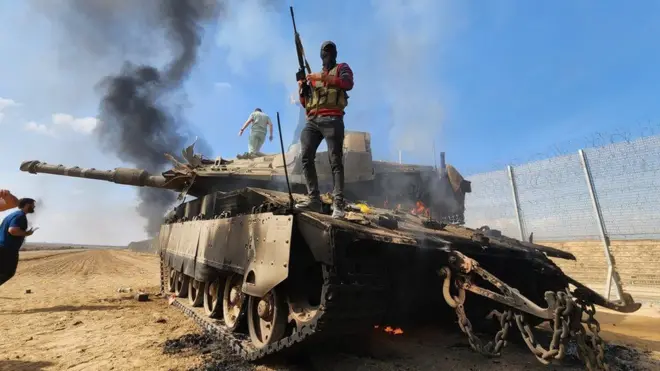
Footage from 7 October go later show large explosions before Hamas fighters race through on motorbikes.
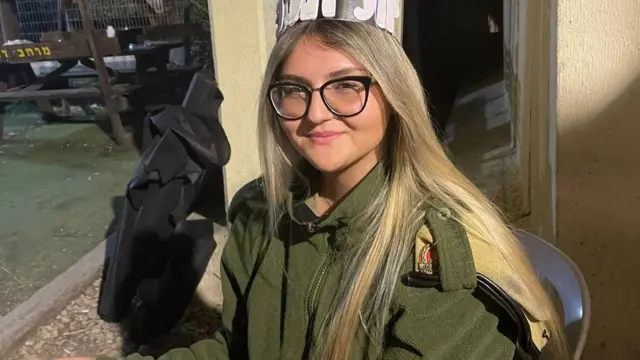
For former observer Roni Lifshitz, wey still dey service but no dey on duty wen Hamas bin attack, di most concerning thing she see for di preceding weeks na di regular patrol of vehicles full of Hamas fighters, wey go stop at watch posts for di oda side of di fence.
She remember di men "dey tok, and dem point to di cameras and di fence, dey take pictures".
She say she dey able to identify as being from Hamas' elite Nukhba Force because of dia clothing. Israel has said this was one of the "leading forces" behind the October attacks.
Roni account match dat of anoda woman for di base wey tok to BBC.
Some of di watchwomen also speak of growing incidents of attempted attacks.
Messages wey one female soja share wit us make reference in code to vans along di border, as well as to di IDF wey dey stop pipo wey dey try cross into Israel, which she tok say dey happun more frequently. Members of di unit congratulate each other on these interceptions wit heart emojis and GIFs.
For one message observer Shahaf Nissani send to her mama for July, she write: "Good morning mummy. I finish one shift now and we bin get one [attempted border attack] but dis event dey really nerve wracking… e be like event wey no one bin don ever see."
Di women also begin to see strange changes for patterns of behaviour along di border.
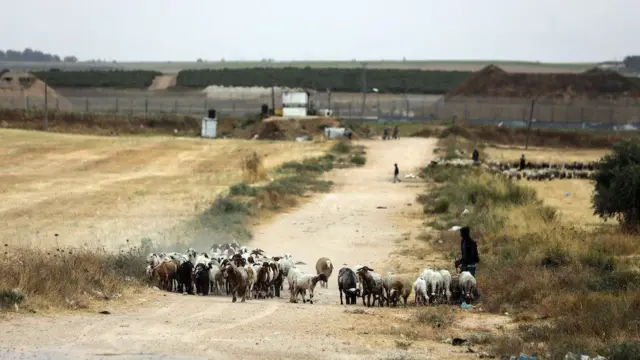
Gazan farmers, bird catchers and sheep herders begin move closer to di border fence, dem say. Di look-outs now believe say these men bin dey collect intelligence ahead of di attacks.
No be everyone we follow tok bin dey aware of di significance of wetin dem dey observe.
Wia dis foto come from, Getty Images
Hamas dey always train for attack, and some of di women bin no dey anticipate say dem dey prepare for anything on di scale of 7 October, one tok.
Several watchwomen wey fear say a major attack dey come don tell BBC dem feel say nobody dey listen to dia concerns.
Wen she notice di vans on di border, Roni tok say di protocol na to alert her commander and then to keep watching until di vehicles no longer dey her section. She go then file am for computer system wia e go dey "passed on".
But, she say, she get "no idea" wia these reports dey actually go.
"Probably to intelligence but weda dem do something wit am or not, I no really know," she tok. "No one give us answer back about wetin we don report and send."
Noa tok say she no fit count how many times she bin file reports. Within di unit, everyone "take am seriously and go pass am on but for di end dem [pipo outside of di unit] no do anything about am".
Avigail tok say even wen senior officials come di base "no-one go tok to us or ask our opinion or tell us a little about wetin dey go on".
"Dem go just come, give task and leave," she tok.
Wia dis foto come from, Getty Images
'Why we go dey here if nobody dey listen?'
As commander for her unit, Gal say observers go pass information to her wey she go then pass to her supervisor.
But she say while dem include am for dia "situation assessments" - wen higher-ups for di base go discuss di reports di observers file – dem no dey do anytin beyond dat.
Several of di women say dem voice dia frustrations and worries wit dia families.
Shahaf mother, Ilana, remember say she tok say: "Why we dey here if no-one dey listen?"
"She tell me say di girls see say mess dey. And I ask, You dey complain?'
"And I no exactly understand di army, but I understand say dat no be di base, na di ranks above" suppose take action, she tok.
But despite Shahaf worries, her family, like odas, bin get full confidence for di army and di Israeli state, and dem believe say even if dem dey plan planned, dem go deal wit am quickly.
According to one report for di New York Times, one lengthy blueprint wey get details of Hamas don land di hands of Israeli officials for more dan one year before 7 October, but dem dismiss am as aspirational.
One veteran analyst for Israel intelligence agency Unit 8200 bin sama warning three months before di attacks say Hamas don carry out one intense training exercise wey be like wetin dey outlined for di blueprint, but dem brush her concerns off, di newspaper report.
Dem don also post di drills wey Hamas and oda armed groups bin carry out publicly on social media, as seen for dis BBC investigation.
Di women 'no get di attention dem suppose get'

"Di signs dey there," retired Maj Gen Eitan Dangot tok. "Wen you collect all di signs, you go make earlier decision and do something to stop am. "Unfortunately dis na something dem no do."
E tok say whilde dem neva carry out full investigation, e dey clear say di reports from di watchwomen "no get di attention e suppose get".
Brig Gen Amir Avivi, former deputy commander of di Gaza division, no wan believe sexism na factor, but agree say dem for don do more to address di lookouts' concerns.
E say di "biggest failure" na di "assumption say di [Hamas] no go fit pull am off" - di assumption na say "yes dem dey train, yes dem get plan but dem no go execute am".
Di IDF don promise future investigation, and don respond to BBC requests by saying: "Questions of dis kind go dey looked into at a later stage."
Di observers get different opinions about why dia reports no get bigger response, but Avigail share di view of several pipo we follow tok: "Na because we dey di lowest rank of soja for di system… so our word dey considered less professional."
"Everyone saw us only as eyes, they don't see a soldier," says Roni.
Three months afta di attacks, di surviving tatzpitaniyot and grieving families of those wey dem kill still dey struggle to come to terms wit wetin dey happun as dem wait for investigation.
'E dey wit me evri wia'
For her own family home, Noa dey always look old social media videos of her friends wey dey sing and dance for di base. She dey sleep on di sofa evri night, dey fear to be on her own for her bedroom.
"E dey wit me evri wia - in nightmares and thoughts, in lack of sleep and lack of appetite," she tok. "I no be di same pesin I be."
Scrolling through di WhatsApp chat she share wit oda tatzpitaniyot, she point at dia names, saying "killed" or "kidnapped".
For her base, Nahal Oz, di room wia di tatzpitaniyot bin dey work now dey for ruins, and di screens dem bin dey look through as Hamas prepare for for dia attack don burn.
As Hamas surged through Nahal Oz, dem kill dozens of pipo.
Among di dead na many of di women wey watch di border so closely for di Israeli state, and those wey dare to fear - despite knowing di great might and resources of Israel - dat something like dis fit happun one day.
Additional reporting by Idan Ben Ari.