How di dark days of January dey shape your mood, intelligence and sex drive

Wia dis foto come from, Getty Images
- Author, David Robson*
- Role, BBC Future
For di northern hemisphere, di shortest days of di year just pass, but winter still far from ova. Afta di glow of holiday season, January fit feel like di darkest month for many living for di boreal region.
No be just our emotions wey dey affected. One recent scientific study, for di journal Perspectives of Psychological Science, explore different ways wey di seasons fit influence our brains - from our sexual appetite to our intelligence and social activity.
While e dey widely accepted say animals like Canada geese or black bears adapt dia behaviour according to di time of year, dis subtle variations for human psychology dey much less discussed, but fit dey essential to understand our decision-making and well-being.
Here na some of di most notable findings wey catch di researcher attention:
State of mind
Di existence of winter depression, wey English sabi as Seasonal Affective Disorder or Sad, and for Spanish as trastorno afectivo estacional, dey widely recognised.
Symptoms include persistent sadness or anxiety wey dey last for at least two weeks, one sense of hopelessness and worthlessness, low energy, overeating, and oversleeping.
Many pipo don feel dull for mood witout say dem register all di criteria for one clinical diagnosis of Sad. Dis general melancholy dey informally known as "winter blues," and studies show say many suffer from am.
For di early 2010s, researchers for Cornell University for Ithaca, New York, analyse di content of 509 million tweets from 84 kontris. Dem find one correlation between changes for daylight and di emotional content of messages: as di days grow shorter, users fit use fewer positive words.




End of Di one wey oda users dey read well well

Wia dis foto come from, Getty Images
E get many possible explanations for winter depression or Sad. One popular theory na say reduced light levels dey interfere wit di bodi biological clock wey dem sabi as "circadian rhythm" - wey in turn fit disrupt di normal regulation of neurotransmitters wey dey manage emotional processes.
Dis don give rise to light therapy, wey dey use special lamps wey mimic sunlight to recalibrate di biological clock, although di 2019 Cochrane Systematic Review analysis conclude say evidence for im effectiveness as preventive treatment dey limited.
Recent research by health psychologist Kari Leibowitz suggest say our mental attitude fit also play one role. For collabo wit Joar Vittersø of di University of Tromsø, Leibowitz kwesion patients from different regions of Norway about dia attitudes towards winter.
For example, e bin ask dem to rate how much dem agree wit statements like "winter na particularly beautiful time of year"; "I love how cosy di winter months dey"; and "I like di soft light wey we dey get during di winter months."
Leibowitz and Vittersø find say pipo wey strongly agree wit dis statements dey cope beta wit di cold and dark, wit beta levels of life satisfaction and more positive emotions during di winter months.
Wia dis foto come from, Getty Images
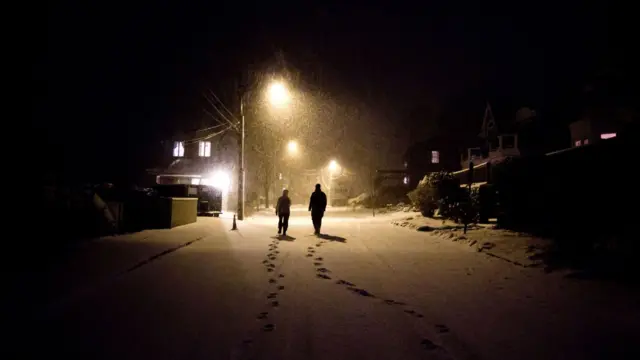
Na true say change of mindset no fit be cure-all for pipo wit severe Sad, but Leibowitz suggest say many of us fit overcome depression if we learn to detect and welcome wit open arms di positive aspects of winter, like di natural beauty wey e dey bring.
Afta all, we sabi say mental attitudes fit influence many oda phenomena. Pipo wit anxiety disorders, for example, dey more likely to fall for "catastrophic" mindsets and oda forms of tinkin wey focus on di most negative and frightening elements of any situation.
Cognitive behavioural therapy fit help pipo adopt more balance perspective for di situation, wey lead to overall improvement for dia mental health. Evidence say dis tok therapy fit dey helpful against Sad. Similar strategies fit lift our spirits during di darkest months of di year.
Memory and concentration
If you eva notice say your mental acuity dey decrease wit di daylight, you fit no be di only pesin. Sanne Mooldijk of Erasmus University Medical Centre for Rotterdam, di Netherlands, and colleagues recently analyse data from one large longitudinal study of more dan 10,000 participants age 45 and older.
Dem find say dose wey bin dey tested during di winter dey perform slightly worse for measures of learning, memory, and concentration compare to dose wey dey tested during di summer.
We no sabi yet wetin dey cause dis seasonal variation. Di poor cognitive results fit be consequence of pipo generally depressed feelings; we get more difficulty to tink clearly wen we feel down. Anoda possibility be say e dey reflect di winter deficit of vitamin D, wey dem tink say support mental health.
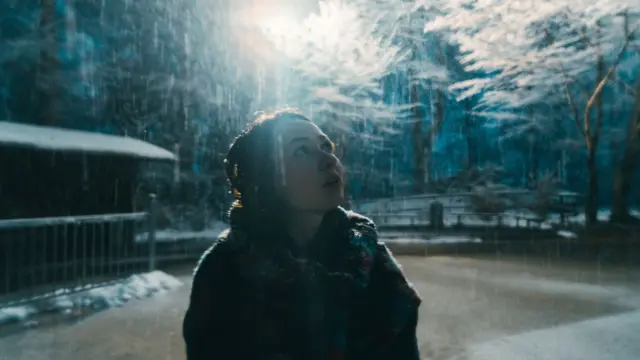
Di bodi dey produce vitamin D wen our skin dey exposed to sunlight and, and while we fit also absorb di nutrient from some foods, e dey veri difficult to get enof vitamin D from our diet alone. Di short winter days for higher latitudes in particular, combined wit less clement weather, mean say many pipo fit find am difficult to get enof vitamin D.
Wia dis foto come from, Getty Images
To probe dis underlying mechanism fit help scientists understand why increase dey for dementia diagnoses ova di same period.
Di slight decline for mental sharpness during di winter fit amplify existing symptoms of cognitive decline, wey dey lead more pipo to meet di clinical criteria for dementia.
Sociability and sexuality
We fit consider our concepts of "warm" and "cold" behaviour to be just metaphorical, but new evidence dey suggest say dis words fit reflect ancient associations between environmental temperature and social connections.
According to di theory of "social thermoregulation," we dey evolve to fixate on odas as sources of physical warmth and comfort. Dis way, we dey similar to emperor penguins and many oda creatures wey dey huddle togeda to share dia body heat.
If dis theory na true, den cooler temperatures suppose make us to seek more social contact. To test dis prediction, one team wey Hans IJerzman lead, of Grenoble Alpes University, France, bin ask participants to hold hot or cold drinks while dem dey complete different questionnaires wey probe di content of wetin dem dey tink.
E bin find say dose wit cold drinks get considerably more willingness to tink of close loved ones - dose wey fit satisfy dia need for social contact - dan those wit hot drinks. Dat na as long as di participants indeed get stable, supportive relationships for dia lives, one fact wey dem no take for granted wit some of di participants.
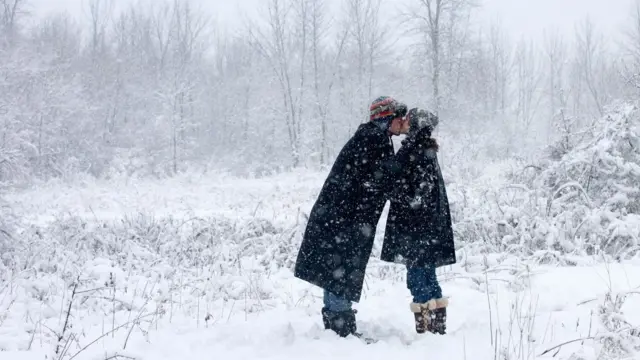
More evidence come from how we dey watch film. Data from online movie rentals show say users dey more likely to choose romantic films ova oda genres wen di temperature drop; one finding wey don dey replicated for multiple laboratory experiments. Heart-warming movie apparently dey satisfy our desire for warmth and affection wey cold for outside cause.
Wia dis foto come from, Getty Images
Our sexual activity follow one more complex cycle. According to one study by Villanova University for Pennsylvania and Rutgers University for New Jersey, USA, Google users dey most likely to search for pornography for mid-winter and early summer.
Dem also dey more likely to hunt for dating websites. Once again, many factors dey likely involved, but e dey reasonable to speculate say di wintertime peak fit partly reflect our desire for greater human contact.
Whatever di explanation, dis variation get real-world health consequences, wit further studies revealing a rise and fall in sexually-transmitted infections ova di same periods.
Wit further research, scientists fit identify many more cycles for human behaviour wey dey result from di complex interplay of biology and culture. And with dis greater knowledge, we fit account for dis changes in our own behaviour beta.
By cultivating a more positive mindset, forgiving oursef for di odd moments of forgetfulness, and making more concrete plans to fulfil our increased social needs, we fit all take steps to beat di winter blues and make di most of di new year.