'My son sabi di sound of bombs better pass di sounds of im toys'
- Author, Lara El Gibaly and Haya Al Badarneh
- Role, BBC Eye Investigations
- Read am in 6 mins
Within days of Israel launching di war in Gaza last October, two Palestinians begin to film dia daily lives for di BBC World Service. Aseel run go di south of di territory to find safety, Khalid choose to stay for di north. Between di two, dem document explosions, multiple evacuations, deaths and di trauma wey children wey dey inside di conflict dey experience.
Khalid
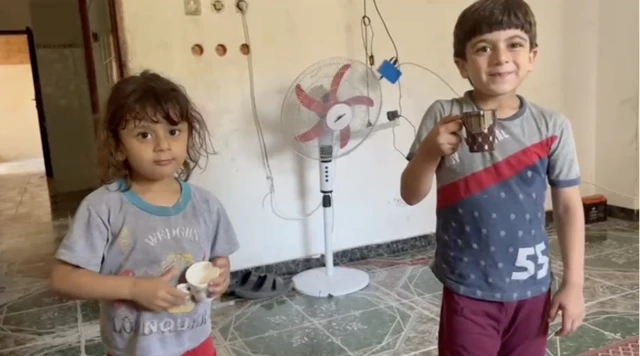
For one living room floor for one bomb-battered house in northern Gaza, six-year old Hamoud and four-year-old Halloum dey play paramedics.
Dem pull one small doll between dem and put very small imaginary stitches into her fabric body.
“She dey injured,” Hamoud tok. “Lots of rubble fall on top her.”
Na sometin wey and im siblings don see as e play out countless times over di past year for Gaza, wia almost one in evri three pipo die for di war wey start for October 2023 na pikin, according to di Hamas-run health ministry.
Israel ongoing war bin launch after about 1,200 pipo bin dey killed for Hamas 7 October attacks.
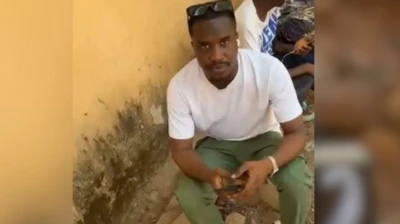
Khalid, di children papa, watch anxiously from a distance as dem dey play.
“Dis no be games wey children suppose play,” Khalid tok. “Wen I see dem like dis, my heart dey break.”
As hospitals in northern Gaza stop to operate in December, a few months into di start of di war, Khalid go against Israeli orders to evacuate south and decide to stay for im neighbourhood of Jabalia, northern Gaza, to provide medical services for im community.
Khalid no be doctor, but e dey trained as a physiotherapist, and work as a distributor wit medical supplies company.
“Evri one for my neighbourhood know say I be physiotherapist, not a doctor. But wit di difficult situation, I tell dem say I go fit change bandages and stitch up wounds, especially for children. If I leave, dos wey I dey care for fit die, becos we no get hospitals or clinics.”
Wit basic surgical skills and access to some medicines – some of dem don expire – im open a clinic for im home, wia e focus on treating children. Im children begin to copy wetin dem see.
“Ambulance, take am to di ambulance!” Hamoud shout , as im and im sister play 'paramedics', one of di new games dem don develop during di war. Khalid hear as im son try to guess di type of injury. Abi na missile injury, shrapnel, or di result of a building collapse?
“Hamoud dey more familiar wit di sound of bombs dan im dey is wit di sounds of im toys. And little Halloum don get to endure so much for her age,” Khalid tok. “I dey afraid of di long term psychological effects of dis war on dem.”
Di International Rescue Committee say di impact of displacement, trauma, and missed schooling go likely get life-long effect on children in Gaza.
Stranded for north, Khalid children don experience not just psychological trauma, but also some kain level of hunger. In June, di UN estimate say 96% of pipo in Gaza dey face “acute food insecurity”.
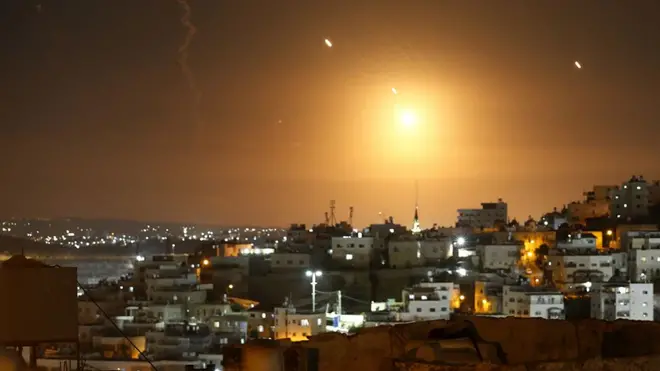
As Hamoud wave a makeshift flag on di rooftop, desperately signalling to aid plane to drop dia parcels near dia home, a serious bang shake di ground. Israeli jet bin just drop a bomb on a nearby building, and e rise thick smoke wey pipo fit see few blocks away.
“I no like di planes wey dey drop bombs,” Hamoud tok in fear. “I want make dem drop food for us instead.”
Aseel
For di south of Gaza, 24-year-old new mother, Aseel, dey weigh how she fit feed her newborn daughter, Hayat.
“Food no dey di market so I fit eat properly and breastfeed her, so I get to give her formula,” Aseel tok.
Di United Nations Populations Fund (UNFPA) warn say dis month 17,000 pregnant women for Gaza now dey near famine.
“Formula, diapers, evritin wey babies need don become very expensive during di war,” na so Aseel husband, Ibrahim tok. “Finding dem at all na challenge,” e add.
Dis no be how Aseel bin imagine her first few months wit her baby girl.
Aseel, her husband, and dia 14-month-old toddler Rose get to leave dia house and relocate to di south in di first weeks of di war, as dem obey Israeli evacuation orders.
Di UN estimate say nine out of 10 Palestinians in Gaza don dey displaced at least once since di start of di war in October 2023.
Eight months pregnant, Aseel get to waka long distance through a road wey dem say e dey safe. “We no get enof water, and I dey suffer from anaemia. Plenty deadi body dey all over di ground. All I fit think about na my daughter Rose, and di baby wey dey grow inside me.”
Aseel and her husband reach agreement, she tok, “say if anytin happun, I go kontinu di path alone and take care of our daughter Rose and di baby. And if I faint from exhaustion, im know say im go go on wit our daughter and leave me behind.”
Once dem reach di relative safety of Deir al-Balah for di south, anoda wahala show: dem hardly get any functioning hospitals wia she go deliver her baby. Al Awda hospital for Nuseirat na di only nearby facility wey fit handle births.
Aseel daughter, Hayat, dey born dia on 13 December. Her name, di Arabic word for life, dey chosen as a reminder of di full, happy lives dem hope to resume once di war dey over.
“E bin dey like say she breath life back into me, in di midst of all dis destruction. She remind me say life fit go on even in di most difficult of circumstances.”
Ibrahim, a photographer, get to leave im wife, im daughter Rose, and im newborn baby behind to go out into di field and work, putting im life at risk to support dem. After one incident wia im find himself in between di crossfire and narrowly escape, e say “I dey do all of dis just to provide dem with di basics, nappies, formula, and clothes.”
“I feel like di weight of all of Gaza dey on my shoulders, I dey very worried about my daughters, and I feel say I no dey able to provide for my newborn child.”
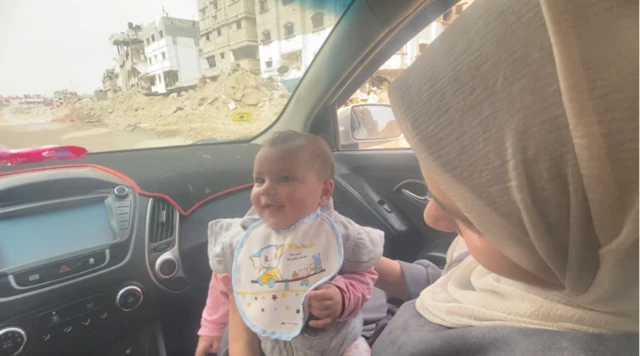
In May, Ibrahim and Aseel bin dey reunited in Deir al-Balah, and take dia children out for a drive.
“Hayat neva know a single day without war,” Ibrahim tok. “We born am inside dis scenes of destruction, inside di sound of bombing and di news.”
“But in spite of evritin,” Ibrahim tok, "she continue to smile.”

Di World Service BBC Eye investigations for Storyville film Life and Death in Gaza dey on BBC World Service YouTube. Di film na part of a group of programmes on di BBC to mark one year on from 7 October and di war between Israel and Hamas. Anoda BBC Storyville, Surviving October 7th: We Will Dance Again also dey available to watch in di UK on di BBC iPlayer.