‘I bin tink say I be di only man wey e happun to’ - survivors of rape during war break silence
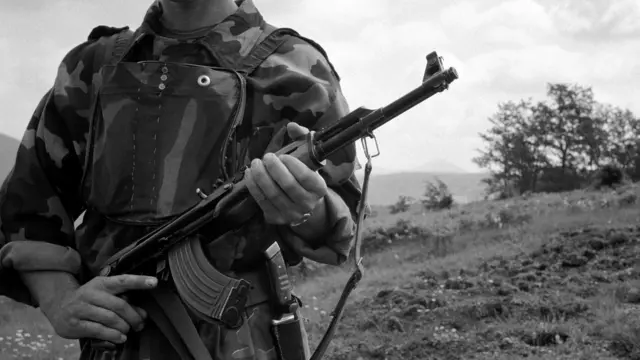
Wia dis foto come from, Getty Images
- Author, Jovana Georgievski
- Role, BBC News Serbian
- Reporting from, Pristina, Kosovo
- Published
For almost 20 years, Alban bin tink say im na di only man wey bin experience sexual violence during Kosovo war for di 1990s.
But wen di law come change to give pipo wey dem rape extra support, im realise say im no dey alone.
WARNING: Details for dis article fit worry some readers.
Wen im bin dey 17, Alban (no be im real name) and im family run comot from dia village for Kosovo go hide, but food bin scarce, so one day im go back to dia house to get bag of wheat.
Wen im reach di garden, some group of men wey wear Serbia police uniform stop am, force am enta inside house.
“At first, I bin no realise wetin dey happun,” Alban, wey be Albanian and wey dey for im 40s now, tok.
“I feel pain and bin tink say dem dey stab me for back.
“But den I realise say dem undress me, and dem bin dey do di worst to me. I lost consciousness.” Im voice shake as all di memories return.
Driton (no be im real name) understand Alban story wella.
Di two no know demsef but Driton, wey dey im mid-60s now, share similar secret. Im survive repeated sexual abuse, including gang rape, for 1999.
E happun wen dem hold am for detention for 30 days for one detention facility for Kosovo, wey im believe say na one Serbian paramilitary group dey run am.
Although im realise say di same tin bin happun to oda men too, for long time, di only pesin wey im tell na im wife.
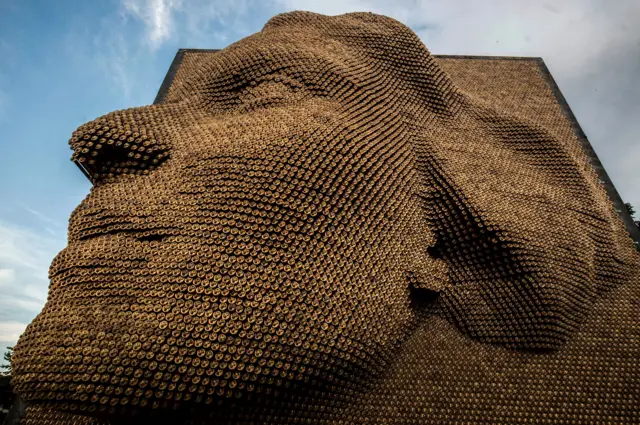
Wia dis foto come from, Getty Images
About 130,000 pipo die for di conflict wey follow di break-up of Yugoslavia, and di believe be say between 10,000 and 20,000 pipo experience sexual violence during di1998-1999 Kosovo war alone.
Kosovo bin dey fight for independence and Serbia respond wit brutal crackdown against di ethnic Albanian population.
For di figh fight wey follow, both sides face accuse for committing atrocities, including rape of civilians.
For 2018, Kosovo goment bring new law to officially recognise di suffering of pipo wey dem bin sexually assault and give dem financial support.
Na dis one encourage both Alban and Driton to end twenty years of silence and overcome one of di last taboos of di war.
Dem dey among 2,000 Kosova pipo wey don apply for official recognition.
So far, goment don grant more dan 1,600 of dem - including 84 men - di status.
Di goment bin first set February 2023 as deadline for pipo to apply but but dem don extend am since to May 2025.
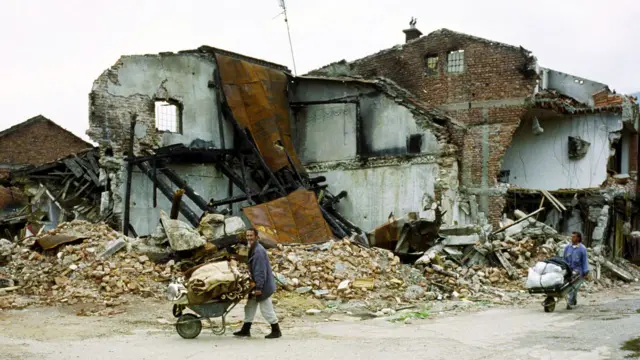
Wia dis foto come from, Getty Images
Well-kept secret
Alban still dey live for di small family house wia dem assault am. “I find am horrible, but I no get di money to move,” im say as im look away, explaining why im never leave di village wia dem born.
Di corridor wia dem assault am connect to di small kitchen, bathroom and bedrooms wey im dey share wit im wife and children.
As im wife dey do housework and im children dey play, dem no get ide wetin dey Alban inside dia house.
“I no want my family to know, because even today, e get some times wey I bin wish say I no exist at all.
“Dem shatter my morale, and sometimes, I still dey worry weda I dey man enough – na heavy burden,” im tok wit flat, dull tone.
Before looking for official recognition for wetin happun, im bin only tok about im suffering once. Few days afta dem rape am, Alban tell im papa.
“Im bin dey devastated, but happy say I survive, becos im say dem for massacred me,” Alban remember as gently drop down im cheeks.
Driton bin tink of telling im papa about wetin happun to am but decide against am.
“My papa bin dey old and sick, I bin dey fear say e go kill am,” im tok.
“But im notice say sometin no dey okay, and im bin dey tell me say I dey hold sometin for mind.”
E eventually tell im wife, wey give birth to dia number three pikin di week wey dem release am from di detention centre.
“She accept am. Wetin happun no be my fault,” im add, as im hold im two hands tight.
Breaking di silence
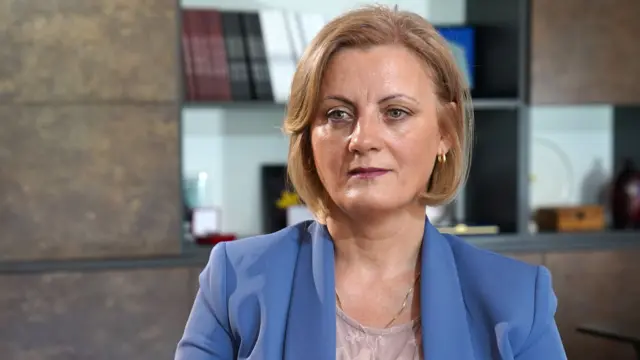
Wia dis foto come from, BBC Delimir Babic
Human Rights Watch bin describe di rape for dis war as “instrument of systematic ethnic cleansing”, wey di regime of late ex-president of Serbia, Slobodan Milosevic, bin lead.
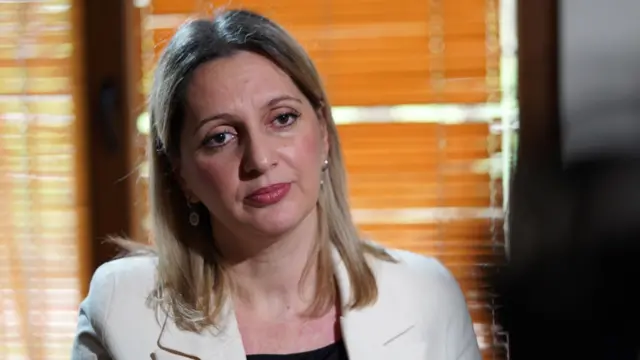
And for many years, to tok about am bin be taboo among Kosov women too, doctor and human rights activist Feride Rushiti, tok.
She begin document rape cases during di war wen she bin work for refugee camps for northern Albania, wia many Kosovo pipo run go.
“Di stigma dey omnipresent – men go forbid women make dem no tok about wetin happun for public, becos e go mean say dem fail to protect dem.”
Afta di conflict, she set up Kosovo Rehabilitation Centre for Torture Victims (KRCT), one NGO wey dey provide psychological and legal support to survivors.
While women bin dey among di KRCT beneficiaries from di beginning, na until 2014 wen Kosovo parliament first discuss am, na im men begin reach out for support too.
“Traditionally, dem dey expected to protect di family, not to show sense of victimhood,” Rushiti tok.
Specialised NGOs, including KRCT, dey help verify survivors’ stories wey mean mean say dem go den begin get state benefits of approximately 230 euros per month (£195; $245), about one third of average salary for Kosovo.
Alban hear about di new law for news. Di decision to end twenty years of isolation bin dey tough.
E take am three attempts to knock on KRCT doors.
Di first two times im heart begin beat fast, im hands dey shake, and im palm bin sweat so im change im mind.
Im finally waka through am for spring of 2019.
Driton also hear about di legislation for news and say im bin dey so stressed about reporting wetin bin happun, so tey im no remember wetin e bin be like.
“I really bin wan tell somebody about am, but I bin feel like I no get anywia to go, e bin be big relief wen I finally tok.”
Since di end of di war, both men don dey take medicine for depression and anxiety wey doctors write for dem to help dem cope wit di nightmares, mood swings, and heart shivers.
Wia dis foto come from, BBC Delimir Babic
But no be until dem go KRCT na im dem come get di psychological support wey dem need to tackle di root of di problems wey dem bin dey experience.
“Dem tell me say no be my fault,” Alban tok, “becos I bin be defenceless civilian, and guilty pipo na di criminals wey do am to me.”
Reflecting on di years of silence, Driton say im bin wan report im case “a long time ago but did no know wia to go”.
“I still feel like man wey dem destroy,” im add, “but afta I tok about dis tins, I begin to cope small small.”
E dey sometimes cross im mind say dis kain tin dey happun for oda places, especially wen im watch news reports from Ukraine, Israel and Gaza.
“My message to evri body na to go and report am. No shame inside, we must tok about wetin happun,” im tok.