Di ogbonge tori of Napoleon Bonaparte body part
Wia dis foto come from, Getty Images
Dem store am for one small leather box, di human penis wey di daughter of one American urologist keep under lock and key don shrink and dry out over time.
Wit a measurement of 3.8 centimeters, believe be say dis human fragment na one relic wey dey strange.
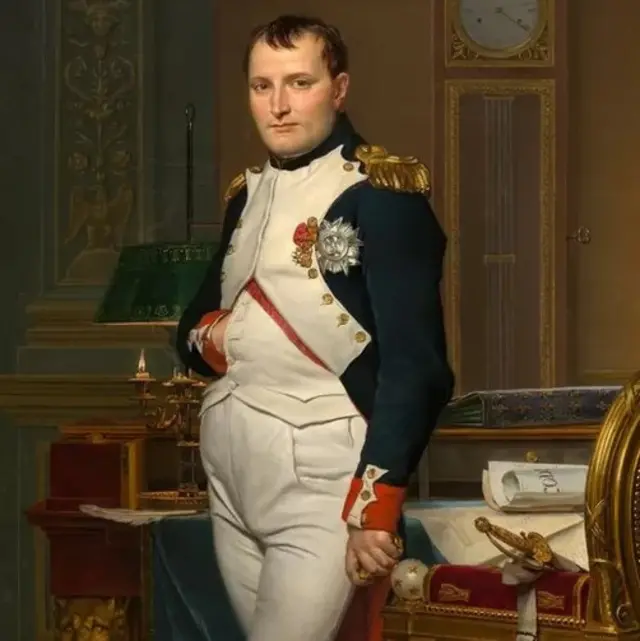
Na di sexual organ of di French statesman and military leader Napoleon Bonaparte (1769-1821), one of di most famous political figures for di history of humanity.
Plenty mystery surround di curious piece pass wetin researchers fit confam about am.
For im book "Napoleon's Privates: 2500 Years of History Unzipped", journalist and historian Tony Perrottet try to find out how di penis comot France to reach di United States, wia e go dey today.
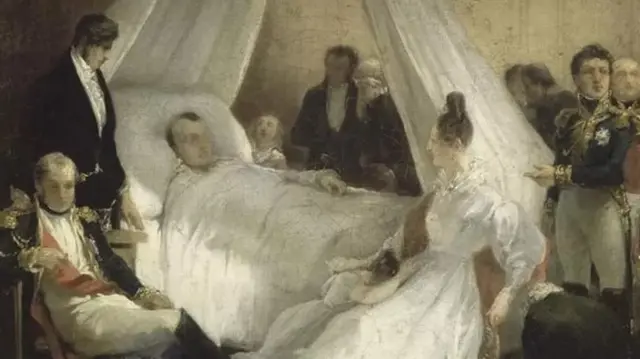
To do dis, im start from wetin don dey proven say wen Napoleon die, on di island of Saint Helena (located for di Atlantic, more or less halfway between Africa and South America Sud), on May 5, 1821, im go through autopsy.
If di removal of im body part really happun, na probably in front of witnesses. Reports dey point to am say na 29 pipo attend to Bonaparte body from death to preparation for burial, including eight doctors, two servants, one priest and one servant.
Na im doctor François Carlo Antommarchi (1780-1838), fit don carry out di amputation of di private part.



End of Di one wey oda users dey read well well
Some believe say na revenge because dem bin ask am to spend one season ontop di island to attend to Bonaparte wey don already get bad health - im bin get stomach ulcer and probably die of cancer.
To make mata worse, reports say di patient bin no treat di doctor well, im go sometimes spit and swear for am.
How di journey of di sexual organ begin
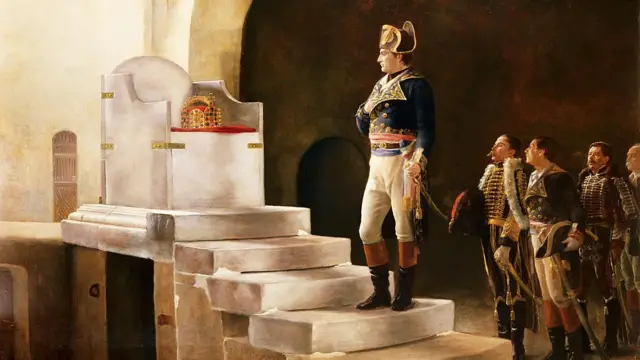
Wia dis foto come from, Getty Images
According to Perrottet research, Antommarchi fit don sell di intimate relic to one Italian priest Ange Paul Vignali, na im perform di burial rites of Bonaparte.
Di priest cari di relic to Corsica, wia dem born both of dem.
Historian Vítor Soares, wey be host of ‘The History in Half an Hour’ podcast, say di discrepancies start dia as oda theories blame di priest imsef say na im comot di organ of di noble, yet odas believe say arrangement fit don dey between di priest and di doctors wey dey present wen e die - since di removal and preservation of body parts of personalities no dey unusual for di tori.
For 1916, di British antique dealer Maggs Bros buy di organ wey di family of di Corsican priest bin don keep.
Ova di next five decades, di sexual organ wey dem attribute to di former French emperor become object of curiosity around di world.
Di sexual organ later change hands a few years later. sake of "di terror of di auction house"
For London, di American collector and bookseller Abraham Simon Wolf Rosenbach (1876-1952) buy a lot of precious objects for 1924.
Di set include di Napoleonic jewel. Na from dis point, wen dem bring am enta di United States, na dia dem begin documentation about di organ, - in an attempt to prove di authenticity.
Rosenbach own company bin publish one catalogue for di 1920. For inside di catalogue e point am out say "one publication for di Revue des Deux Mondes, di posthumous memoirs of St Denis expressly tok say im and Vignali take small pieces of Napoleon body during autopsy".
E dey interesting to note say di catalogue use one euphemism to name di organ. dem call am "mummified tendon dem take from Napoleon body during di autopsy".
Denis, wey dem quote for di test na Louis Etienne Saint-Denis (1788-1856), personal servant of di former emperor.
Na Rosenbach package di body part as e look today, inside one small velvety blue leather box from Morocco.
Wia dis foto come from, Getty Images
According to di official text of di now Rosenbach organization - wey dey maintain one museum and one library from di collection of im founder- dem tok say di collector dey "rejoiced" by speaking of "di notorious relics of Napoleon".
For 1927, dem publicly exhibit di object for di Museum of French Art for New York.
According to press reports at di time, di exhibition gada "sentimental sighs" and "women laughter". dem even compare Napoleon private part to "one wrinkled eel".
Rosenbach sell di relic to one of im best customers, bibliophile Donald Frizell Hyde (1909-1966), wey be president of di Bibliographical Society of America.
Upon im death, im widow return di possession of di organ to Rosenbach successors.
Shortly afta, collector Bruce Gilmeson buy di famous body part.
Im bin attempt to auction am for Christie auction house for London for 1972. E no work.
As dem no fit get di minimum bid, dem return di organ to Gilmeson collection.
Di urologist wey preserve di limb
Five years later, for 1977, dem auction di organ , dis time for $3,000, and na American urologist John Kingsley Lattimer (1914-2007) buy am.
Lattimer na one popular Columbia University professor and im like to dey collect historical artefacts.
Wen di family of John Fitzgerald Kennedy hire am to analyse di evidence of di assassination of (1917-1963), im notably keep a piece of upholstery from di presidential limousine wia dem shoot di then president.
From den on, Napoleon sexual organ regain im intimacy.
Lattimer no show di organ to di public, im only keep am for more intimate circles - tori be say e no pass 10 pipo wey don see am since den.
Na di urologist later spread di version of tori say di removal of di organ happun as revenge from doctor to retaliate di rude way di former French statesman treat am.
Wen Lattimer die, di sexual organ remain wit im daughter. She follow her papa request say make she no show di sexual organ to anyone wey dey curious.
Dis, of course, only add to di mystery of di object.
"Although for a long time pipo no dey sure say di sexual organ na for Napoleon, possibility fit no be for am, nobody don prove am say na really im own," Oga Soares, from di "History in Half Hour" podcast tok.
Researcher for di Universidade Estadual Paulista and professor for Mackenzie Presbyterian College Tamboré, historian Victor Missiato also agree to dis.
"E dey difficult to prove say na Napoleon Bonaparte get di body part, because e no get any study wey dey link di genetic material of dis sexual organ wit di remains of Napoleon wey dem bury for France", e argue.
"Today, wit di technologies wey dey available, e fit dey possible, e go worth am ".
"E get a connection [of di sexual organ wey dem attribute to di statesman]. E dey possible say na im own but already at di time e get historical importance, a significance of Napoleon," Missiato tok.
Wia dis foto come from, Getty Images
Di oda parts
Soares remember say di sexual organ no be di only piece of Napoleon Bonaparte body wey dem allegedly remove during di autopsy.
For di memoirs of di servant Denis, for example, im confam say e fit don take advantage of a moment of distraction from di doctors to remove by imself, a few pieces of di rib of di deceased.
Dem tok say di former emperor imself don express di wish say upon im death, dem go comot im heart and send am as gift to im wife- but dem no grant dis wish.
Di idea say dem preserve di organs and tissues of deceased personalities no dey uncommon for history. Around here, di heart of Dom Pedro 1º (1798-1834) na famous case.
For di Pátio do Colégio, for di historic center of São Paulo, e get one human femur wey dem tok say na for José de Anchieta (1534-1597), one Jesuit priest wey be one of di founders of di city and wey dem don now consider as saint for di Catholic Church.
For di basilica dem dedicate to Saint Anthony (1195-1231) for Padua, Italy, e dey possible to see di language wey fit be dat of di brother wit di reputation of thaumaturge.
"Dis practice dey linked to di Christian tradition", Missiato emphasise am. "Di idea of di body as a sacrifice na im start Christianity, but later e come take on a greater proportion."
According to im explanations, dis initially religious imagery come take shape wen dem begin create nation-states.
"E get clear link between nationalisms, wey dey appropriate Christian values and produce new symbols, new heroes and new stories, and new type of worship"
"Dem dey see di great national leaders as heroes sake of dis, di idea say dem fit get access to dis materials, to dis relics, na way of appropriating di power of dis figures", e add am.
"E dey ginger national imagination. For national projects, dis appropriation of an originally Christian symbolism dey common. And dem dey always feel say di heroes of di past still dey present and dem dey eternal."