Pregnant women for Afghanistan dey fear to die for labour room on top maternity care wahala
Wia dis foto come from, Dr Najmussama Shefajo
- Author, Syed Anwar and Swaminathan Natarajan
- Role, BBC World Service
- Read am in 7 mins
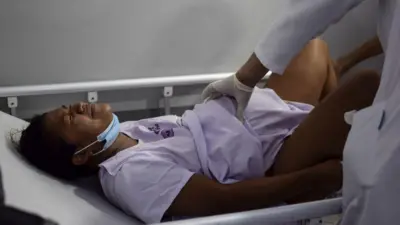
Pregnant women for Afghanistan dey fear and dey feel abandoned as many health facilities and maternity wards dey close down.
Many women for di kontri alreadi no fit do di at least four doctors visit wey dey recommended during pregnancy sake of lack of access to healthcare.
Farkhunda wey dey live for northern Badakhshan province, wey get six months belle tok say, "I feel like di birth of my second pikin go kill me or kill di baby."
She bin plan say she go born for one 60-bed maternity hospital wey di World Health Organization (WHO) dey operate. But dat maternity unit don close down since July.
Farkhunda reveal say na caesarean section she take born her first pikin. "I no know wetin go happun dis time."
BBC Afghan don hear plenti tori like Farkhunda own wey show say maternity care for di kontri dey for trouble.
Critical maternal care facility
Badakhshan na wetin kontri pipo dey call, "di worst place to born". Di WHO facility dey provide help to women wey dey di mountainous, rugged and difficult to reach province.
Di WHO for Afghanistan tell di BBC say, dem no get option but to close down di maternity centre becos of lack of money.
Former worker for di maternity unit tell di BBC say, "dem bin dey do up to 15 caesarean operations for di facility" bifor dem close am.
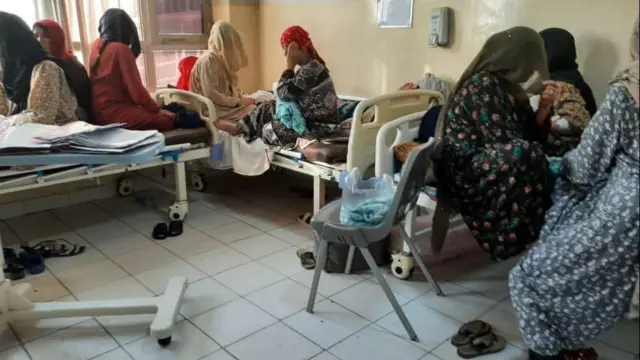
Di hospital normally bin dey overcrowded wit about four women for one bed as dem dey wait make doctor call dem.
Di official tok say, "oda operations wey dem dey perform for dat hospital na tins like hysterectomy and cystectomy".
Di only oda maternity hospital wey dey work for Badakhshan na Aga Khan charity dey fund am. Di 30-bed hospital get two specialist and four doctors and e dey struggle to cope wit di rise in demand.
Di nearest hospital na almost five hour trip for Kunduz. Many pipo like Farkhunda no get money to get taxi. Even if she find money for di trip go dia, e no sure for am say dem go admit am to born for di Kunduz hospital, as dat side too dey over-crowded.
Worsening deaths
Unicef data tok say di last time dem record maternal mortality rate na for 2020 and e reach 620 deaths per every 100,000 births. Dis na almost three times wetin di global average be.
One Unicef report tok say, "Afghanistan still be one of di most dangerous places for world to be baby, pikin or mama and to get access to hospital or health centre no be sometin wey most pipo fit do".
For 2023, dem report 37 infant deaths for everi 1000 births.
One doctor wey come from Jalalabad wey be di fifth biggest city for Afghanistan, tok say infant mortality dey rise faster wen you compare am to maternal mortality.
Di doctor add say, "for goment hospitals we no get di facilities to keep premature pikin. We no get enough facilities to handle complications for childbirth."
Lack of midwives
According to one recent Unicef report, one third of women dey born outside health facility. Becos of di social restrictions wey di Taliban put for ground, health workers dey fear to travel. E mean say many women dey depend on dia untrained female family and neighbours to helep dem.
One midwife for di Kandahar province tok say "Becos maternity services no dey di area, some women dey born for house and dis kain childbirth no dey standard for medical support and basic hygiene. Villagers bin bring one woman come wey bin born since two for morning but placenta no gree comot".
Di family wait till morning reach bifor dem carry am go hospital.
Di midwife say few hours delay fit cause deadly kasala to burst.
Destroying body and soul
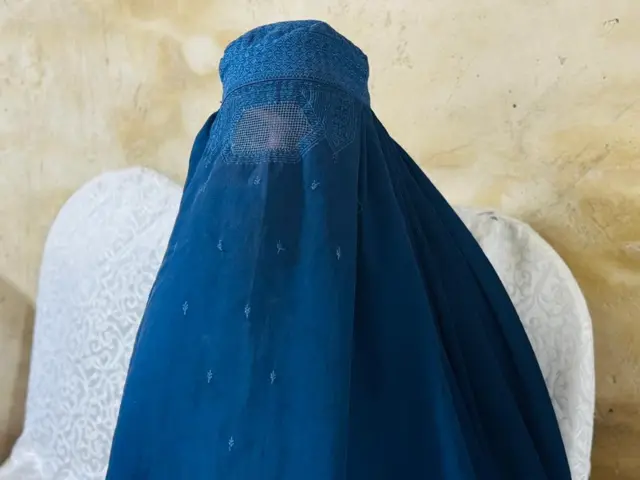
Wia dis foto come from, Dr Najmussama Shefajo
Only small percentage of women fit afford hospital money.
For di waiting room for di Shefajo clinic for Kabul, we see 35 year old Musral wey don get seen miscarriage and 20 year old Hamida wey don get four miscarriages. Di thing still dey affect dem.
Musrsal tok wit her all covering hijab say, "everitime I lose pikin, I feel like I lose half of my memory. I don loose half of my hair. As I dey lose my pikin, I dey get mental problem."
"Doctors tell me say lack of good nutrition and lifting weight na im dey cause miscarriages pass".
Musrsal still get goment job unlike most Afghan women and she say she dey chop nutritious food and she no dey do physically demanding work.
Hamida enta di clinic and she wear silky abaya wit red nails and she no cover face.
She say, "my last miscarriage na around six months ago. Afta dat, I don see doctors for Kandahar, Quetta and Chaman."
Di last two cities dey for Pakistan. Kandahar doctors bin diagnose bacterial infection and prescribe vaccine for her. Like Musral, Hamida wan born.
Dem force Hamida to marry at 16, now everione dey yab am say she neva born.
Both women don do plenti tests and now dem dey wait for di results.
Musral and Hamida na patients of Dr Najmussama Shefajo wey be gynaecologist and di founder of Shefajo Hospital.
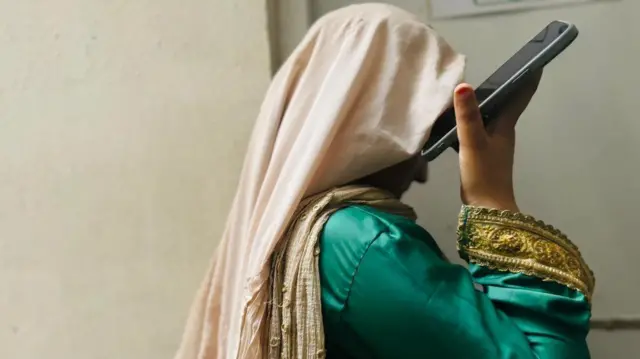
Wia dis foto come from, Dr Najmussama Shefajo
Dr Shejafo say plenti reasons dey for di sharp decline in healthcare.
"Di main factor na lack of female doctors and nurse, specialised hospitals and medicine. Illiteracy and lack of awareness among pipo add to di causes".
Afta Taliban take power for 2021, many sabi female doctors run leave di kontri. Di new goment refuse to give medical licence to new female graduates wey add to di wahala.
Dr Shejafo tok say "shortage of female doctors dey rise and e go only get worse."
Di goment owned hospitals no fit handle di demand and dem no dey provide necessary healthcare, she add.
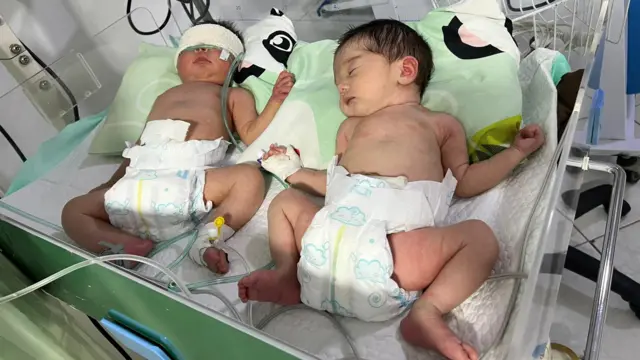
"I don see three or four mama wey dey bleed siddon on di same bed for one goment hospital. For anoda place, dem pack five pikin put inside one incubator."
Blame game
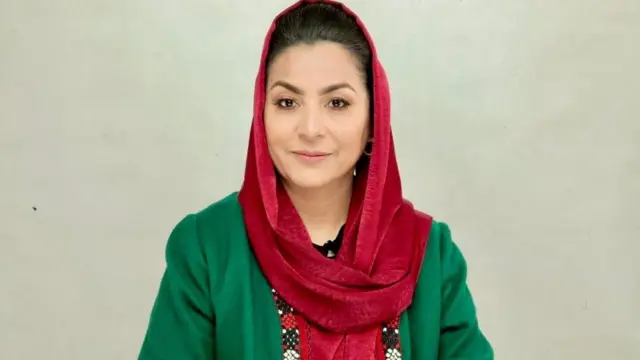
Wia dis foto come from, Dr Najmussama Shefajo
Tok-tok pesin for di Taliban goment health ministry dey blame di kasala of maternal care for di last administration.
Dr Sharafat Zaman tok say "we dey try convince donors make dem support us to implement sustainable health project for Afghanistan."
E add say di aim na to work on sustainable projects wey fit provide beta health services for Afghan pipo.
Dr Amar also say dem bin dey try find resources from both di internal budget and di international funding to improve healthcare and di process fit take years.
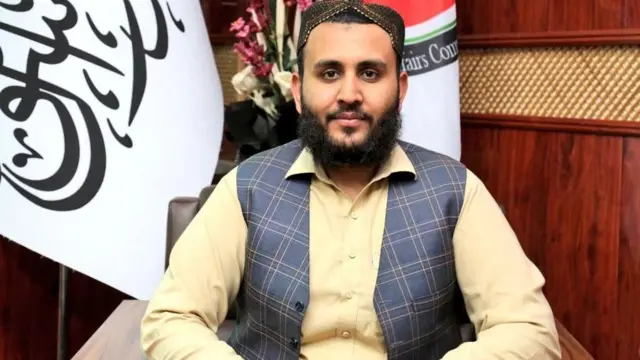
Wia dis foto come from, Dr Sharafat Zaman Amar
Back for Badakhshan, Farkhunda dey worry. Her pikin dey come for October. She dey helpless and scared of di next months.
Di only functional 30 bed hospital dey overcrowded and dem dey reject patients.
Farkhunda say her chances say dem go admit am dey low.
She say, "I no fit pay di 25000 Afghani fees ($355) to go private hospital."
Becos of Taliban restrictions, Farkhunda no say to get midwife to come help am born for house no go possible.
Frustrated she say, "women get limited access to go hospital. Di goment no care."
All di names of Afghan patients don dey changed to protect identities.