Scientists reveal why sharks dey test positive to cocaine
Wia dis foto come from, Getty Images
- Author, Felipe Souza and Leandro Machado
- Role, BBC News Brasil
- Published
- Read am in 5 mins
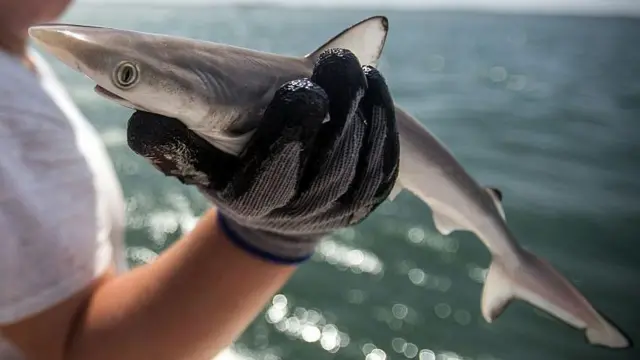
Scientists don try to understand why sharks off di coast of Brazil don test positive for cocaine.
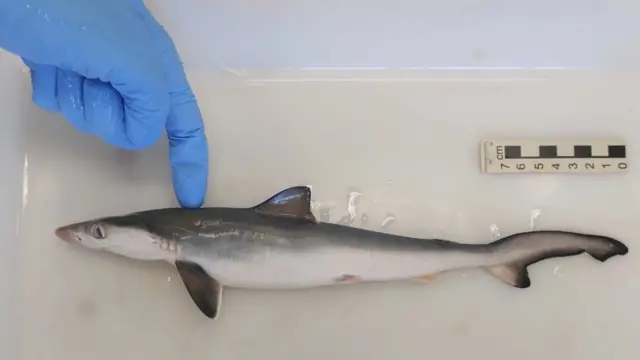
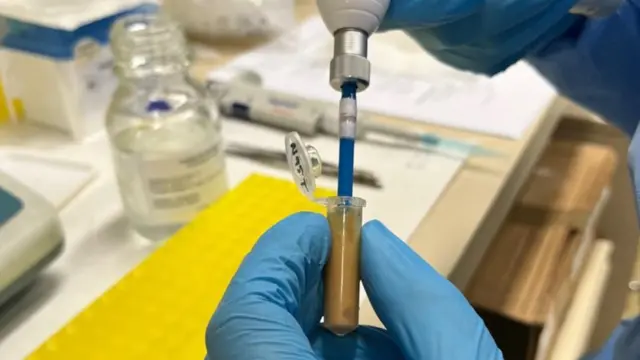
Marine biologists from di Oswaldo Cruz Foundation test 13 sharks (wey pipo sabi as Brazilian sharpnose sharks) off di coast of Rio de Janeiro and detect high levels of di drug in dia muscles and liver.
Di research na di first to identify cocaine inside sharks. Di concentration na about 100 times higher dan di one wey dem find in oda marine animals.
E get several theories as to how di drug end up in di animals bodis.
Some experts believe say cocaine dey reach di seawater through illegal laboratories wia dem dey manufacture di drug, or through poo-poo and urine from drug users.
Wia dis foto come from, Oswaldo Cruz Foundation
“Our paper suggest say both hypotheses fit be di cause of di detected cocaine: chronic exposure due to human use of cocaine in Rio de Janeiro... [and] from illegal labs”, one of di authors of di study Rachel Davis explain - she be biologist and researcher at di Laboratory for Assessment and Promotion of Environmental Health at di Oswaldo Cruz Institute (IOC/Fiocruz).
Packages of cocaine wey dem lost or wey traffickers throw into di sea fit also be source of di drug, but di researchers consider dis possibility less likely.
“We no dey usually see many bales of coke wey dem dey dump or lost at sea here, unlike wetin dem dey report for Mexico and Florida. So we prefer both aforementioned hypotheses [as di main reasons].”
Wia dis foto come from, Oswaldo Cruz Foundation
'Concerning discovery'
Sara Novais - one marine ecotoxicologist at di Center for Environmental and Marine Sciences at di Polytechnic University of Leiria for Portugal - tell di journal Science say di discovery dey "veri important and potentially concerning."
All of di female sharks in di study dey pregnant, but we neva know di effect of cocaine on di foetuses.
We go need more research to determine weda di drug dey alter di sharks behaviour.
Previous research suggest say drugs dey likely to affect animals and humans in similar ways.
Di researchers only look at one species of shark, but dem believe say oda species for di region fit also test positive for cocaine.
"Sharks na carnivorous and di main exposure route for many chemical pollutants na di dietary route. E dey veri likely say di animals our sharks prey on - crustaceans [and] oda fish - dey contaminated," Rachel Davis tok.
Wia dis foto come from, Getty Images
Cocaine transit route
Significant amount of cocaine dey for Brazil becos di kontri location make am attractive for smugglers to smuggle di drug through to oda consumer markets - mainly Europe and Africa, sabi pesin Camila Nunes Dias explain - she be doctor in sociology from di University of São Paulo (USP) and professor for Brazil Federal University of ABC (UFABC).
According to her, dis don make di kontri strategic hub for criminals to coordinate distribution.
“Di geographical issue dey central becos of Brazil western border wit drug-producing kontris - Peru, Colombia and Bolivia - and access to di Atlantic via several ports.
"I tink dis explain why good part of di product wey dey go to Europe and Africa dey pass through Brazil. Di kontri get continental dimension and e dey strategically positioned.”
Wia dis foto come from, Getty Images
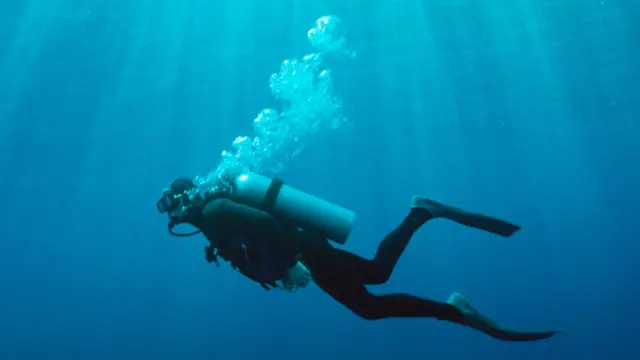
Divers fit spread di drug?
However, Nunes Dias believe say, contrary to wetin di research authors say, di water no dey contaminated by cocaine refined in laboratories in di region.
She believe say e dey more likely to dey contaminated by divers wey dey transport di drug onto ships.
“We [don] identify many strategies for placing cocaine on ships using divers. My assessment, looking from afar, be say dis explanation make much more sense,” di specialist tok - e dey part of NEV, di Center for Violence Studies at USP.
Wia dis foto come from, Getty Images
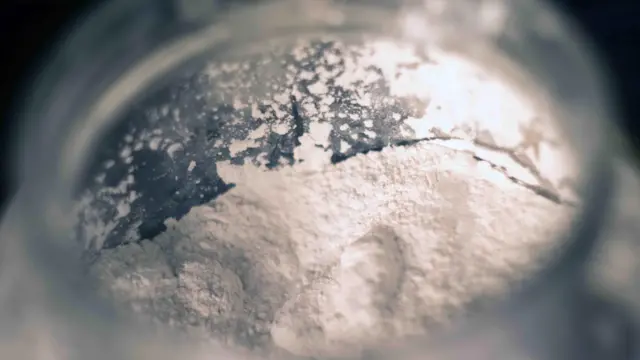
Di sociologist say cocaine arrive for Brazil via rivers and roads bifor dem send am to Europe through several ports and airports in di kontri.
Nunes Dias explain say cocaine wey dem dey transport to di United States dey mainly transported by Mexican and Colombian traffickers. However, Brazil na also major hub.
“All Brazilian ports na exits. Di use of each of dis ports dey controlled by various criminal groups, such as PCC (Primeiro Comando da Capital) and Comando Vermelho.”
Wia dis foto come from, Getty Images
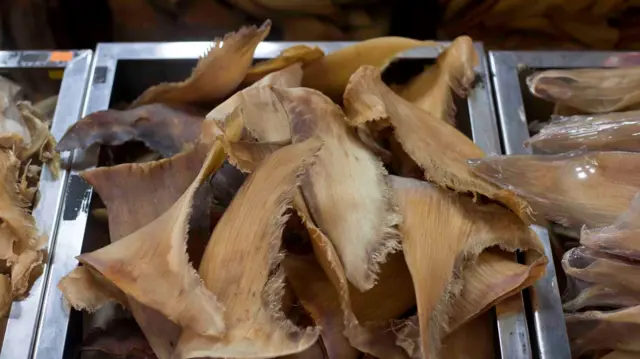
Cocaine fit enta di bodis of humans wey dey eat shark meat?
Cocaine wey dey contaminate sharks fit reach humans via di food chain.
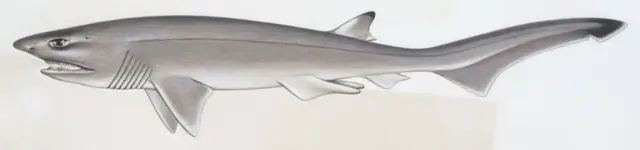
Researcher Rachel Davis tok say di drug fit end up inside human bodi through di common consumption of di dogfish shark as food for Brazil.
“Cocaine don already enta di food chain, [becos] humans dey routinely chop sharks for Brazil and in many oda kontris, including di US, di UK, Mexico and many odas.
"Dem dey often sell [di food] generically as flake, fish and chips, dogfish, and oda names,” Davis tok.

Wia dis foto come from, Getty Images
But e no dey clear weda di amount of di drug wey human dey ingest through eating dis animals fit dey harmful to dem.
Davis says, “Human health concern through di food chain neva dey established, [becos] no limits dey set concerning negative health effects."
Sharks and oda fish absorb water through dia skin and gills and Davis tok say if cocaine dey dissolved in sea water, e dey unlikely say e go affect humans wey dey swim inside di sea.
"Concerning human health by anoda route, comprising direct water exposure - we believe say e go dey minimal.”