Wetin be dis 'Grandfather satellite' wey wan fall from space come Earth and wia e go land for di world
Wia dis foto come from, ESA
- Author, Jonathan Amos
- Role, Science correspondent
- Published
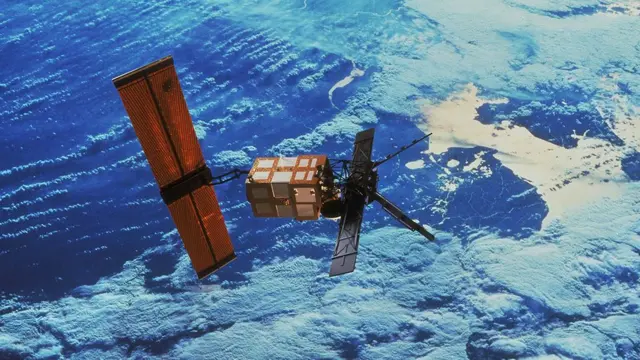
One ogbonge European satellite dey ready to fall to Earth in di coming hours.
ERS-2 na cutting-edge observation platform wen e launch for 1995, e get hand for technologies wey dem come dey use to always monitor di planet.
E don dey gradually come down since e end operations for 2011 and e go take an uncontrolled, big fall into di atmosphere sometime on Wednesday.
Di European Space Agency (Esa) say most of di two-tonne satellite go burn on dia way down.
E dey possible say some more robust parts go withstand di serious heating wey go generate during di high-speed fall, but di chances say dis fragments go hit populated areas and cause damage dey small.
Dem fit land almost anywia for di world but wit most of di Earth surface wey dey covered by ocean, whatever scattered pieces remain for di surface fit most likely lost iniside di sea.
"And e dey worthy to note say none of di elements wey fit re-enter di atmosphere (and reach di surface) dey toxic," Mirko Albani from Esa Earth Observation Ground Segment Department tok.
Wia dis foto come from, ESA
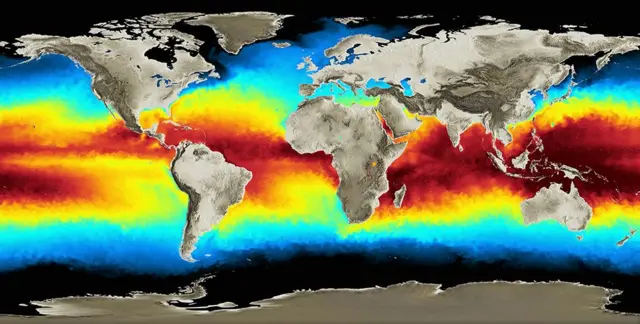
Di agency bin launch two near-identical Earth Remote Sensing (ERS) satellites for di 1990s. Na dem be di most advanced planet observers of dia day, as dem carry instruments wey go track changes on di land, in di oceans and in di air.




End of Di one wey oda users dey read well well
Dem dey monitor floods, measure continental and ocean-surface temperatures, trace di movement of ice fields, and sense di ground as e dey shake during earthquakes.
And ERS-2 bin specifically introduce one new ability to assess di Earth protective ozone layer.
Dem dey described as di "grandfathers of Earth observation for Europe".
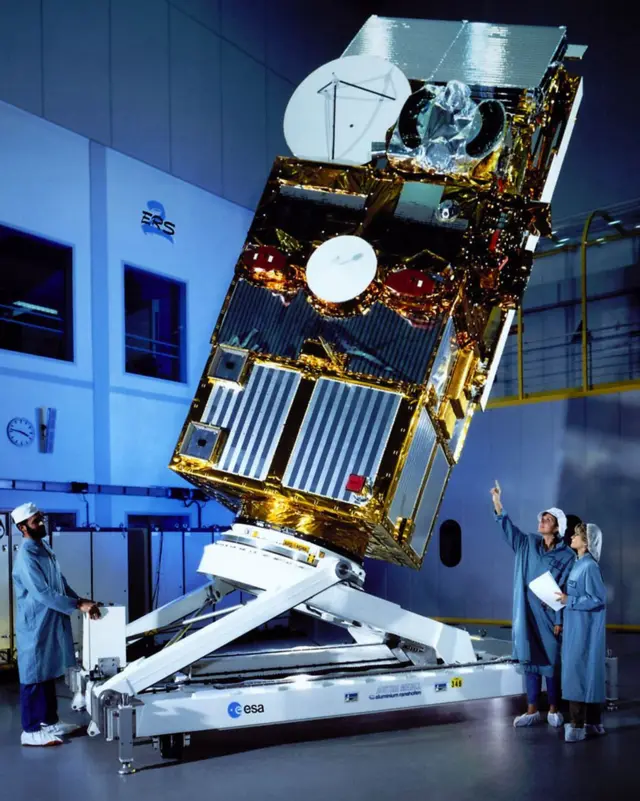
"Absolutely," Dr Ralph Cordey tok. "In terms of technology, you fit draw a direct line from ERS all di way through to Europe Copernicus/Sentinel satellites wey fit monitor di planet today. ERS na wia e all start," di Airbus Earth observation business development manager tell BBC News.
ERS-2 na di first of di two to come home. Dem originally place am for 780km above di Earth, engineers use di final fuel reserves for 2011 to lower di height to 570km.
Di expectation na say di upper atmosphere go drag di spacecraft down to destruction for about 15 years.
Wia dis foto come from, AIRBUS
Dis prediction go dey true on Wednesday evening, GMT.
Precisely wen and wia e dey difficult to say. Plenti tins go depend on di density of di upper atmosphere, sometin wey dey influenced by solar activity.
Wetin we fit tok for sure na say di re-entry go happun between 82 degrees North and South, as dis na di extent of di satellite orbit around di Earth.
Esa space experts calculate say small of ERS-2 mass go endure to di Earth surface.
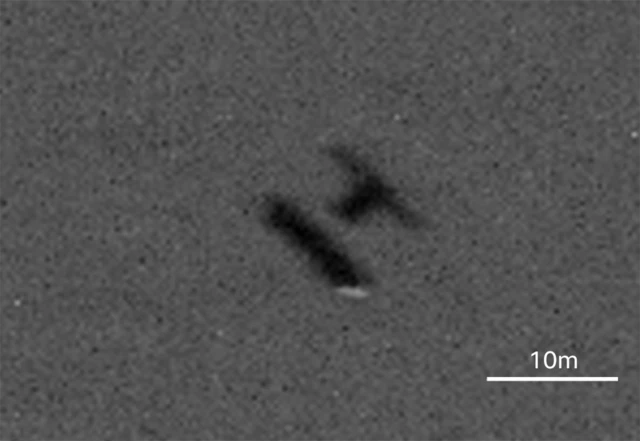
Wia dis foto come from, HEO
Di broken parts wey fit impact di planet fit include internal panelling and some metal parts, such as fuel and pressure tanks.
Di element wey get di highest probability to make am through di atmosphere in some form na di antenna for di synthetic aperture radar system, wey dem build for di UK. Di antenna get one carbon-fibre construction wey fit tolerate high temperatures.
Wen dem bin launch ERS-2, di space guidelines wey go reduce di particle dey more relaxed. To bring home a spacecraft wey no longer dey needed within 25 years wey e end operations dey acceptable.
Esa new Zero Debris Charter recommend say di disposal grace period no suppose pass five years. And dem go launch di future satellites wit di necessary fuel and capability to quickly comot orbit by demsef within short order.
Di reasons dey obvious: wit so many satellites wey dem don launch to orbit, di potential for collisions dey increase. ERS-1 bin fail suddenly before engineers fit lower di height. E still dey more dan 700km above di Earth. At dat height, e still fit be 100 years before e go naturally fall down.
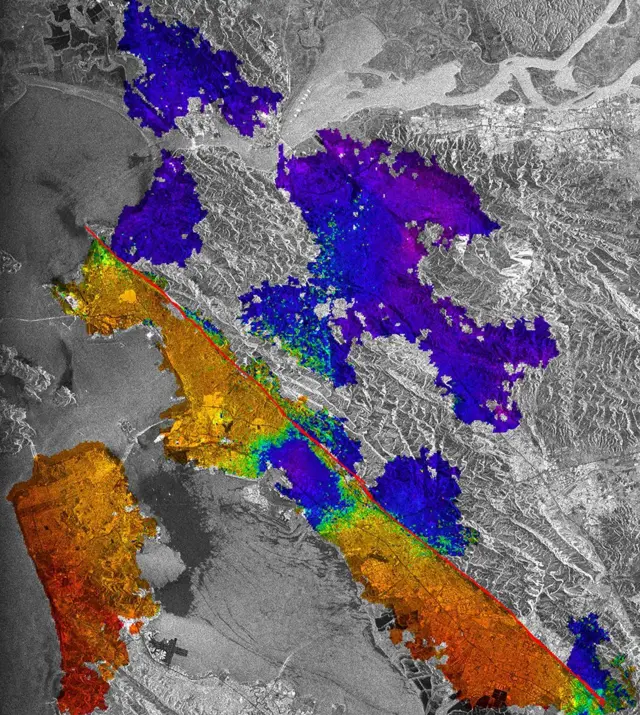
Wia dis foto come from, ESA
Di American company SpaceX, wey dey operate most of di functional satellites wey currently dey orbit (more dan 5,400), bin recently announce say e go bring down 100 of dem afta dem discover a fault wey fit "increase di probability of failure for di future". Dem wan remove di spacecraft before any problems go make di task dey more difficult.
Last week, di Secure World Foundation, one advocacy group for di sustainable use of space, and LeoLabs - US company wey dey track space particles, bin issue a pressing statement on di need to remove orbital hardware wey no dey needed.
Dem say: "Di accumulation of massive objects wey don dey neglected in low Earth orbit no dey get strength; 28% of di current long-lived massive neglect na something wey dem leave for orbit since di turn of di century.
"Dis clusters of uncontrollable mass dey pose di greatest particle-generating potential to di thousands of newly deployed satellites wey dey fuel di global space economy."