Wetin loneliness dey do to your bodi and how you fit overcome am

Wia dis foto come from, Getty Images
- Author, Andre Biernath
- Role, BBC World Service
- Published
- Read am in 6 mins
Dem don describe loneliness as threat wey fit damage your health and e dey deadly as wen pesin smoke 15 cigarettes per day.
Yet at di same time pipo dey bombard us wit hundreds of messages a day through our smartphones. Dis constant contact choke - e dey make many pipo to dey desperate for a bit of peace.
So, e dey possible to find a balance? Di BBC ask health experts for dia take.
Shey difference dey between solitude and loneliness?
Although loneliness na problem wey don old, and e become challenge for millions during di prolonged lockdowns and mandatory social distancing of di pandemic. E bin leave many pipo stranded by demsefs for house.
Loneliness na "subjective, unpleasant emotion" wey dey crop up wen you get "fewer different kinds of social relationships dan you like," Andrea Wigfield, director of di Centre for Loneliness Studies at Sheffield Hallam University for UK, tok.
Experts suggest say loneliness dey happun wen you feel di quality of your personal relationships dey poorer dan you like. Or, if you compare di relationships you get, wit dose of your peers - e fit dey easy to feel dissatisfied say your friendships dey weaker.
While pesin wey dey isolated fit quickly become lonely, na true be say you fit also feel lonely in di midst of crowd. Feeling like say you no belong - or say di quality of your connections no strong fit quickly lead to dat subjective unpleasant emotion, Wigfield tok.
Although some languages dey use di words to mean di same tin, solitude, by contrast, na more of a temporary state and fit bring a welcome moment of calm.




End of Di one wey oda users dey read well well
Solitude fit be a period wen you dey physically alone and not interacting wit anyone on social media, Thuy-Vy Nguyen, principal investigator of di Solitude Lab and associate professor in Psychology at Durham University for UK, tok.
Wia dis foto come from, Getty Images
Wetin loneliness dey do to your bodi?
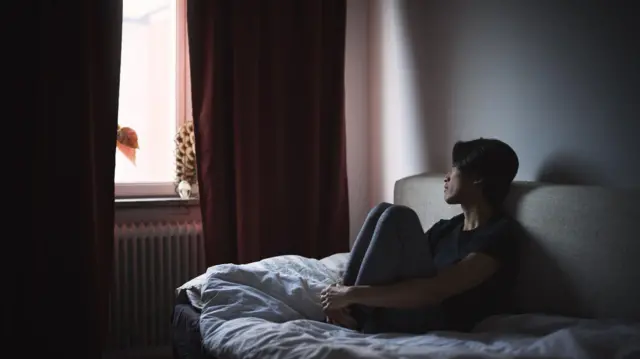
Loneliness dey really bad for your health, one recent Cambridge University study bin reveal a link to increased risk of heart disease, stroke, type 2 diabetes and greater exposure to infections.
Wigfield add say growing evidence dey say loneliness fit lead to dementia; depression; anxiety and a greater overall mortality risk.
Wetin dey behind dis link no clear yet. Doctors tink say di connection fit be becos of increased stress on di bodi and lack of cognitive stimulation sake of isolation, wey dey make mental health conditions worse.
But di scale of loneliness dey obvious. Di WHO estimate one in four older pipo dey socially isolated and 5 -15% of adolescents dey face loneliness.
Aside from your age, specific groups also dey at increased risk of becoming lonely: migrants; ethnic minorities; asylum seekers; LGBTQ+ pipo, carers, and pipo wit additional health conditions.

Wia dis foto come from, Getty Images
How you fit overcome loneliness?

Wia dis foto come from, Getty Images
For years wey no too far, multiple goments don launch initiatives to tackle di loneliness epidemic. Dem don rise up di political agenda as di million dollar costs to health services, social security and di broader economy don become clear.
Research show say volunteering fit be one effective prevention strategy. For Hong Kong, one trial wit 375 community volunteers underline say to donate your spare time to di cause wey you believe in fit reduce loneliness, especially for older adults.
Australia and di Netherlands meanwhile, dey take different approach to invest instead for intergenerational living. Dem dey encourage older and younger generations to hang out togeda, share spaces such as community centres or housing blocks wit communal areas.
Also, di practice of "social prescribing" by doctors for UK wey rather dan prescribe medication fit refer patients dem suspect say dey extremely isolated to services wey connect pipo, don dey grow.
Child and adolescent psychiatrist, Holan Liang, explain from one societal perspective, developing tolerant communities wey collaborate - wia evto one get place and purpose make di most sense.
"Checking in on odas, and di promotion of kindness and helping odas dey help prevent loneliness," Liang, wey also be author of A Sense of Belonging, tok.
On individual level, broadly, experts bin tell di BBC say make evri one keep eye on dia satisfaction and di quality of dia own relationships and friendships. And watch out for signs of loneliness - such as persistent feelings of sadness and little desire to socialise or leave home. Warning signs fit include sense of detachment - not feeling connected wit odas, or di places and spaces around you.
Wia dis foto come from, Getty Images
Solitude stigma dey?
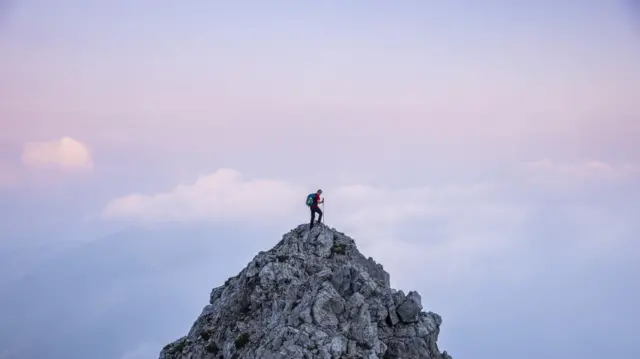
Professor Nguyen underline say as social species, humans rely on one cohesive social network wey abide by certain rules to survive.
As part of dis, "we fit just highlight di importance of social interactions and to dey togeda. In dat sense, solitude dey stigmatised," she tok. But "one of di immediate effects of solitude dey calm us down."
One University of Reading study for UK bin show moments of solitude fit bring both wellbeing benefits and costs. Researchers bin follow 178 adults for up to 21 days. During dis period, participants bin fill in diaries and questionnaires to measure dia stress, life satisfaction, autonomy and loneliness.
Di experiment reveal say to dey spend more hours alone dey associated wit increased feelings of reduced stress, freedom to choose and be oneself - wey, according to di authors, suggest one "calming effect" of solitude.
However, during di days wit more hours spent alone, participants bin report say dem dey feel lonely or less satisfied.

Wia dis foto come from, Getty Images
How to find meaningful moments to yourself
Evidence show say solitude dey provide space for emotional regulation, sense of freedom and autonomy. So, e fit be particularly useful tool to use for situations wen we experience higher stress, or on certain day wen you feel say a lot dey go on.
So, solitude fit help support beta mental health and resilience. But to spend time alone fit dey overwhelming for some pipo.
Professor Nguyen recommend to build alone time into regular "habit", wen you schedule time without screens wey you fit enjoy.
"Wenever pipo ask me how to take advantage of solitude, one tin I dey always recommend na to start small, wit just 15 minutes per day," she tok.
During dis short period of time, you fit keep track of how you feel, wetin you like to do and, as di days go by, start to expand dis time of solitude, minute by minute.
"Sometimes, pipo wan start detox and cut dia screen time or social media use for days. Dis fit create discomfort and you no go wan try am again for future," she explain.
But limit dey?
Di University of Reading data show say pipo dey lonelier and less satisfied on days wen dem spend more hours for solitude. Dis feelings no reduce wen dis daily solitude na choice but no accumulate across multiple days.
For Nguyen, di perfect balance no fit dey quantified in hours, but suppose dey seen in terms of quality.
She point out say some research show say loneliness dey start wen we dey alone for 75% of our waking hours
"But dis really depend on each individual baseline and how you feel each day," she tink.
And wetin to do during dis minutes of disconnection?
Experts suggest say to dey find activitieswey dey stimulate but also provide rest and relaxation.
Some common hobbies and activities dey compatible wit solitude, like to dey read, garden, to waka for nature, to listen to music, to cook and craft.