Why Uganda Ebola outbreak dey serious?
Wia dis foto come from, AFP
Di latest outbreak of Ebola for Uganda dey prove more difficult to deal wit dan more recent epidemics, but di president don reject calls for a lockdown.
So far, dem don confam 31 cases, although authorities dey fear say di number fit rise.
Wetin be Ebola?
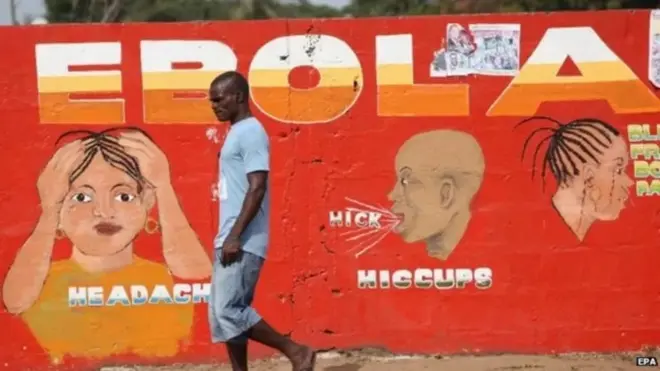
Na deadly virus wey im initial symptoms fit include sudden fever, serious weakness, muscle pain and sore throat.
Advance stages fit include vomiting, diarrhoea and - in some cases - both internal and external bleeding, wey dem dey call haemorrhaging.
Di incubation period fit last from two days to three weeks. Ebola fit dey associated wit oda sickness like malaria and typhoid.
Why dis outbreak dey so serious?
Di fact say e take three weeks before dem detect di first case for September 20 dey cause serious concern.
Ebola dey spread between humans by direct contact wit di bodily fluids and contaminated environments.
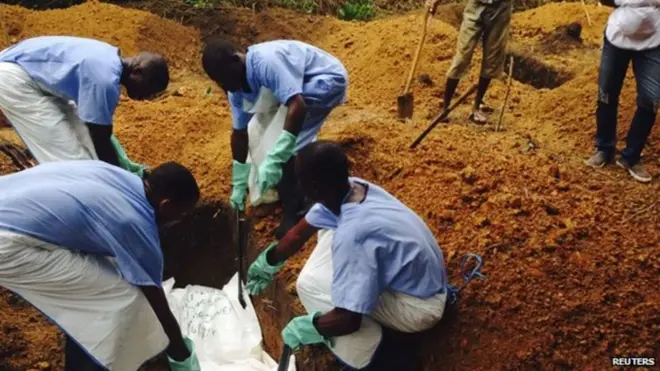
burials na big risk if di mourners get direct contact wit di body.


End of Di one wey oda users dey read well well
Most of di 31 cases, na from Uganda central district of Mubende dem identify dem, out of dat number six ppo don die.
But, di death toll fit dey higher as di health ministry announce 18 deaths, wey dey linked to confamed cases.
Dem no collect dia samples onto say dem bury dem before dem don test.
World Health Organization (WHO) estimate say di case fatality rate dey between 41% and 100%.
Vaccine dey?
Wia dis foto come from, Getty Images
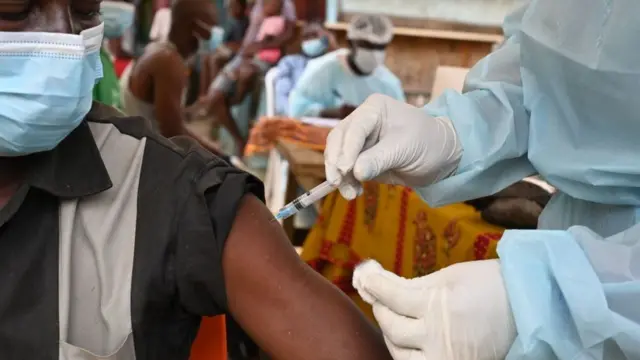
Anoda concern na say dis na Sudan strain of Ebola, dis strain no get approved vaccine, unlike di more common Zaire strain.
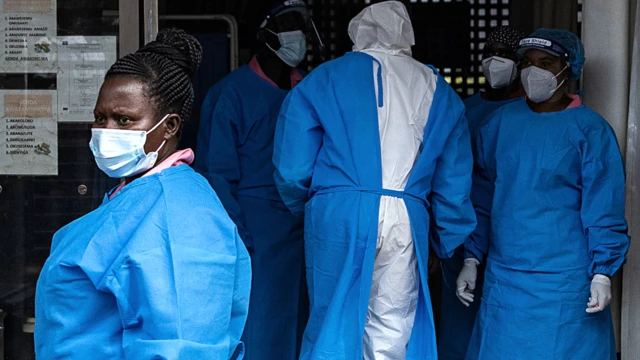
E mean say no vaccination of health workers, wey don account for six of di confamed cases.
Di Zaire strain dey responsible for di largest ever outbreak of Ebola, for West Africa from December 2013 to 2016. More dan 11,000 pipo die.
Wit more dan 28,000 cases in Guinea, Liberia and Sierra Leone, scientists carry out intensive research into Ebola vaccines.
Two years afta di epidemic end, di den unlicensed Ervebo vaccine, wey Merck develop, dem use am during one outbreak of di Zaire strain for di west of Democratic Republic of Congo.
Dem use am afta WHO give clearance, wey dem say get limited infections and save lives.
European Medicines Agency approve a second vaccine wey Johnson & Johnson do .
But dem neva test di two vaccines against di Sudan strain.
Uganda President Yoweri Museveni say im goment dey explore dia options weda to try dem.
How Uganda dey deal wit di outbreak?
Di focus now na on contact tracing – to find those wey dey close to di patients, especially those wey bin attend di community burials.
Di authorities dey operate one 51-bed treatment facility for Mubende district, di epicentre of di outbreak, and dem dey plan set up a second facility soon.
President Museveni go send two mobile laboratories to Mubende by Friday, so pipo no go need travel for tests and risk spreading di virus.
Medics don express concern about di lack of adequate personal protective equipment (PPE) like gloves and masks. Dem also call for di affected region to dey under quarantine.
But, President Museveni rule out restrictions, say: "Ebola no dey spread like coronavirus" as e no be airborne disease.
E say markets, schools and places of worship go remain open, but advise pipo to observe personal hygiene and avoid close contact.
How Ebola dey spread?
Ebola dey spread to humans from infected animals, like chimpanzees, fruit bats and forest antelope.
Bushmeat - wild forest animals wey pipo dey chop – dem claim say na natural reservoir of di virus.
E den spread between humans by direct contact wit contaminated bodily fluids - blood, saliva, vomit, semen, vaginal discharge, urine, faeces and sweat.
Tori be say men wey don recover from Ebola still dey harbour di virus for dia semen for a period afta dem recover.
Which precautions pesin fit take?
To prevent infection, health professionals advise make pipo avoid contact wit pipo wey dey infected, including for dem to stop to shake hands,
Dem also advise pipo to wash dia hands wit soap and water and clean surfaces wit chlorinated water.
E dey also important to isolate cases and dia contacts. Usually kontries dey set up holding centres for suspected cases and treatment centres for laboratory-confamed cases.
For eastern DR Congo, wey share borders wit Uganda, survivors of Ebola bin play a key role in providing care for infected patients as e be say dem no fit dey re-infected.
But, medical teams must wear full PPE wen dem dey attend to cases to prevent infection.
Deadi bodi dem, for any body bag, must dey buried by pipo wey dey wear proper PPE.
More recent innovations don include body bags wit clear covers around di face to enable families to see di body safely before burial.