Japan: Developed kontri wia many dey proud to dey lose weight, sometin wey dey worry
- Author, Issariya Praithongyaem
- Role, BBC World Service
- Published
- Read am in 9 mins
Dis tori get some kain description of eating disorders twey fit worry some readers.

Wia dis foto come from, Sarah Mizugochi
Wen she be teenager, Sarah Mizugochi wey dey 164cm (5ft 4) tall, bin dey underweight.
“I bin dey tink about food all di time and bin always hungry. Di only time I go chop cake na once a year on my birthday, and dat one last for three to four years. I bin no happy at all.”
Cases like Sarah, wey dey 29 now, dey so common for Japan sotey underweight in young women don become serious health problem.
One survey wey Japanese ministry of health do for 2019 find say 20.7% or one in five women aged 20-29 years old dey clinically underweight, wey dem dey define by having BMI (Body Mass Index) of less dan 18.5.
Sarah BMI bin dey below di healthy weight range.
World Health Organization (WHO) recommend make pipo aim to do dia BMI to dey between 18.5 and 25.
Japan na di only high-income kontri for world wit dis can frequency of underweight women. Similar levels only dey among di poorest places on Earth, like Timor-Leste, Burundi, Eritrea and Niger, according to one 2024 study on worldwide trends for being underweight and obesity wey dem publish for Lancet medical journal.
Back in 1990, Japanese women bin no dey underweight reach as dem dey today, and di kontri bin no dey different from odas for di international tables. Now e different.
Several studies and national surveys don reveal say di trend dey grow toward thinness among young women.
Few years ago, di term “Cinderella weight” circulate among young women for Japan.
Di term refer to BMI just below di healthy weight, wey dem officially classify as underweight for di BMI scale, but many women wan achieve am.
However, di Cinderella weight (in kilograms) – wey dem dey calculate by squaring pesin height in metres, den multiply dat number by 18 - cause debate online. Some pipo speak out against wetin dem consider as unrealistic and unhealthy goal.
Cultural norm
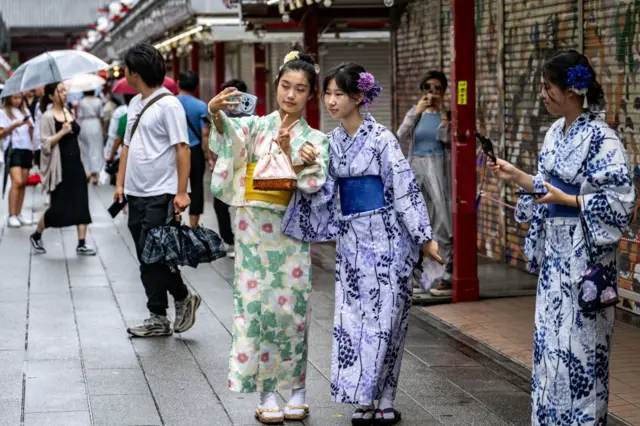
Wia dis foto come from, Getty Images
Tomohiro Yasuda, professor for School of Nursing for Seirei Christopher University inside Hamamatsu city, Shizuoka Prefecture, for Japan, bin study underweight young Japanese women.
Im research show say even though di participants agree say dem need to gain weight, dia idea of how much weight dem need to gain dey far less dan wetin dem need for healthy BMI.
Underweight women wey participate for im study need to gain like10.3kg to reach di objective ideal weight (wey dem define as BMI of 22) but wen im ask dem, dem say dem wan gain about 0.4kg.
“For Japan, e common for young women to dey too thin and risk infertility, low birth weight births, and sarcopenia [one type of muscle loss wey dey normally occur wit ageing and/or immobility],” im tell BBC.
Malnutrition fit lead to bone loss, anemia, and menstrual irregularities, while insufficient protein intake fit result in low muscle mass.
Some students for Prof Yasuda class on obesity and thinness tell am say dem wan lose weight becos dia favourite celebrities and influencers thin.
“E get a lot to do wit di strong influence of Japanese media and di long-standing admiration for US and Europe, wey don dey lead fashion and oda aspects of Japanese culture for some time,” im say.
Prof Yasuda explain say, for Japanese media, men appear as pipo of various ages and appearances, while women appear as young.
“And becos dem dey show so many young women as thin, I feel say e get impression say 'thin pipo [beta]',” im add.
If any of di issues for dis tori dey also worry you, make you ask for advice health professional or institution.
Sarah journey to becoming food influencer
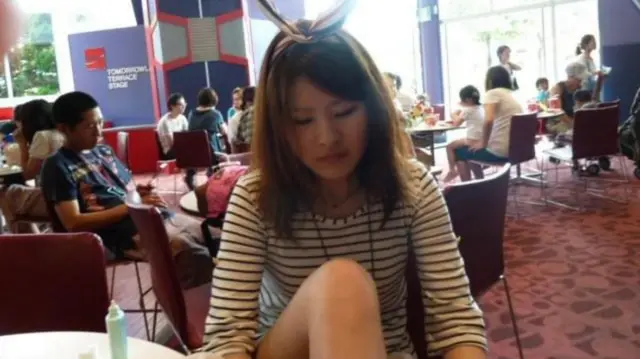
Wia dis foto come from, Sarah Mizugochi
Sarah Mizugochi, wey don become food influencer now dey live for Japan capital, Tokyo, say her parents encourage her to dey thin wen she be small pikin.
“My mama no wan make I become fat,” she tell BBC.
Wen dem dey chop, dem dey tell her to eat meat and vegetables instead of rice, wey get more carbohydrates but less nutritious.
Dat habit bin stay wit her for many years.
Di tiny bento box wey she bin dey carry go school for lunch bin dey full wit only vegetables and meat: “I no wan eat rice at all.”
Between di age of 12 to 15, sake of Sarah wan be model, she bin dey anxious about calorie wey she dey take.
“For school, I compete wit anoda girl. One day, she chop salad, edamame, and small pork for lunch. I remember me saying to her say her food dey full of calories!”
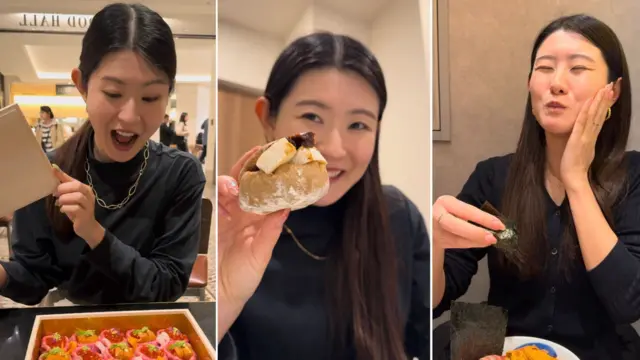
Wia dis foto come from, Sarah Mizugochi
Sarah begin to realise say she need to eat more food wen she go study biology for secondary school.
“I learn about di human body and dat na lightbulb moment. Ah! We all need nutrition.”
For 2011, Japan experience one nuclear disaster afta one earthquake and tsunami strike di north-east of di kontri.
“On expert explain for TV say, if you dey healthier, you get less chance to dey affected by nuclear radiation. My biology lessons and dat expert comment lead me to eat more and gain more weight, to dey around 45kg.”
Den, she move to UK and discover say pipo no dey excessively care about calorie wey dem take. She gain three more kilos.
“I bin get happy university life until I go back to Japan on holiday. Pipo around me, including my mama, say I become rounder. So I gatz to lose few kilos, but dat one no last.”
Sarah begin eat rice again wen she become 25, dat na four years ago.
“I dey very happy and healthy; I gain 7kg and I dey healthy weight range. I get muscles as I dey also do some workouts.”
Challenging Japan beauty standards
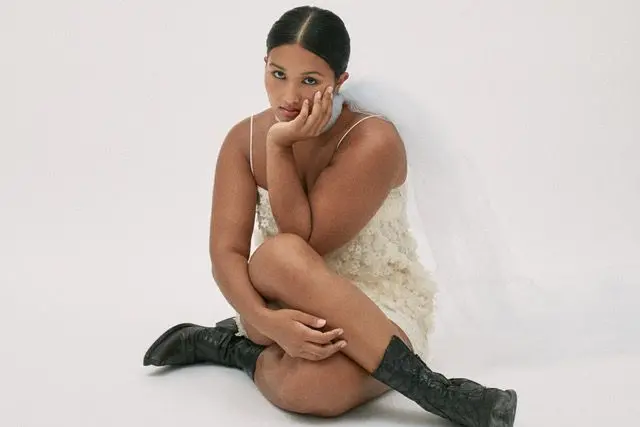
Wia dis foto come from, Asako Nakamura
Oda personalities for Japan don begin challenge di underweight trend and beauty standards.
Dulmi Obata, 25, na half Japanese, half Sri Lankan, and she dey live for Kanakawa, one place for South of Tokyo water side.
Her darker skin tone, bigger body shape and different hair texture make her target for bullies for school.
For primary school, some boys call her black girl. Younger children bin no wan collect toys from her.
“Dem bin tink say my hand dirty. I bin feel hurt,” Dulmi explain.
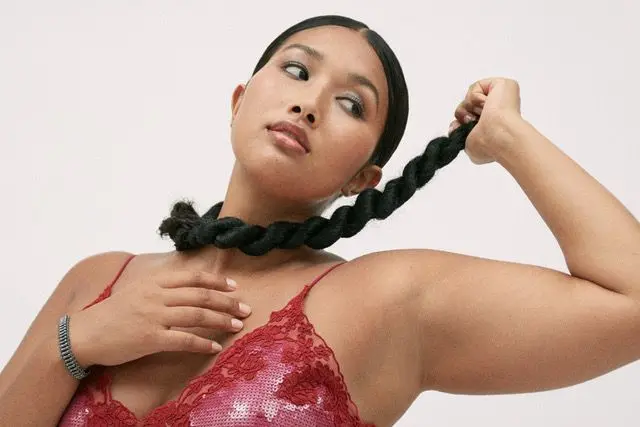
Wia dis foto come from, Asako Nakamura
She begin notice say she get more curves and more muscle wen she reach puberty around di age of 13, but dat one no bother her.
For 2021, afta researching "plus-size" models, Dulmi enta Miss Universe Japan contest, knowing say oda women go get skinnier body shape or so-call “trendy” body shape.
“I bin no wan loss any weight during di competition. I want put out di idea of body positivity and about myself as plus-size model. I wan change di beauty standards for Japan.”
Dulmi bin go as far as final. She believe say she be di only plus-size woman wey don enta di contest so far.
“Of course, I dey proud of myself. My childhood experiences make me lose my confidence from time to time. I know say I fit no get 100% confidence [now], but e dey OK,” she say.
Male dominance
Eric Rath, wey dey teach pre-modern Japanese history and Japanese dietary cultures for University of Kansas US, explain say to dey slim na di beauty standard for Japanese culture for long time.
“If you tink about kimono, di lines dey very vertical. Certainly, e favour very slender figure, and women go wrap themselves up very tightly to highlight am,” im tell BBC.
E say Japan na kontri wia wetin men prefer na im dey dominate.
“If you look at arts like Kabuki [traditional form of Japanese theatre], na men dey play female parts, or for wood prints arts for di Edo period (1600-1868), dem present women as slender. Dat na men fantasy and how dem represent female beauty.”
Today, Japanese women dey face different type of discrimination, im tok.
“Dem gatz marry, get pikin dem,” im tok. “If dem dey work, dem dey face discrimination for workplace. Dem no fit control any of dis [factors]. But losing weight na sometin wey dem fit control. So, some dey take am to extreme.”
Countering underweight culture
Different Japanese goments don try counter dis underweight women problem by taking several measures, including offering nutritional guidance to students.
For March 2000, di goment Dietary Guidelines for Japanese. One of di guidelines suggest make di population maintain proper weight wit adequate exercise and well-balanced food, and make dem no attempt to lose too much weight.
For 2022, di goment launch one initiative wey try to involve various parts of society.
Dis initiative bin agree say dem get nutritional issues, including trying to stay underweight among young women.
Local authorities, including Yamato City, Kanagawa Prefecture, outside Tokyo, bin try to destabilize di idea say e dey attractive to dey underweight by offering nutrition education from secondary schools all di way to university, conducting monthly women health check-ups and providing individual nutrition counselling.

Wia dis foto come from, Yasuko
However, Yasuko [we no put im surname], wey dey represent Bloom Creative, one plus-size modelling agency for Japan, believe say discrimination against plus-size women still dey for Japan and say historically dem dey see dem as “less valuable” dan slim women.
She say many plus-size women get experience of insults sake of dia body shape by dia parents, dia friends mock dem, and dem dey feel "invisible" for society sake of dem no fit buy clothes of dia size.
Add to dis one, Asian clothes sizes dey usually smaller dan Western sizes, but for Japan, clothes sizes dey significantly smaller dan sizes around di world.
Some shopping websites dey suggest to Westerners wey wan buy clothes for Japan make dem go for four sizes bigger dan normal.
Yasuko share one experience in particular wey happun to her for public transport.
“One strange middle-aged man inside one crowded train touch me wen in say to me: ‘How you take dey live wit dis kain disgusting and erotic fat body, e no dey shame you?’” Yasuko say.
She choose to ignore di offensive comment, and say she wan focus on fighting discriminations through her work instead, for di sake of di next generations of plus-size women for Japan.