Kidnapping: Ransom negotiator wey don negotiate ova 200 release advise goment on wetin to do
Wia dis foto come from, Reuters
- Author, Priya Sippy
- Role, BBC News
One man wey dey help negotiate ransom for pipo wey dem kidnap tell BBC say, even though ransom dey illegal, e still be di only way wey families fit guarantee say terrorist release dia relatives wey dem kidnap for northern Nigeria.
Sulaiman, wey we change im name to protect im identity, come from Kaduna State, wia dem recently kidnap 280 pikin dem from one school for di town of Kuriga.
Im say im dey work undercover for dis controversial and risky work for several years - since dem kidnap some of im relatives.
"We gatz negotiate. You no go fit use force get hostages back. Ego put di life of pipo wey we love for danger," im tell BBC.
Sulaiman first begin negotiate wit kidnappers, wey di kontri pipo dey call bandits, for 2021 - one year bifor payment of ransoms become illegal for Nigeria.
Since di last three years, im say im don negotiate di release of more dan 200 hostages – veri small number compare to di thousands of pipo wey dem don kidnap since di last 10 years.
Di negotiations need patience and courage
"Goment believe say I bin dey help di bandits," im tok, as im bin dey tok from location wey we no sabi.

End of Di one wey oda users dey read well well
"Di bandits dey tink say I dey get moni from goment, so me sef na target for kidnapping."
Im first negotiation occur wen im bin dey try raise ransom of around N17.5m ($12,500) for two of im relatives wey dem kidnap.
"I bin no know wetin I dey do. I bin just dey speak to bandits, dey beg dem," im tok.
However im patient approach wit di gang members work, las las dem free im relatives – though im sell im farm wey dey im village to cover di ransom.
Wen word spread about di successful release, oda families wey be victims of kidnapping come to am for support.
Soon im phone begin dey busy all di time.
"Almost evri one for my village get family member wey dem kidnap," im tok, kon add say im dey help dem free of charge.
And even though ransom payments don turn crime, pipo still dey come to am - desperate for help.
Sulaiman confess say di position wey im find im sef dey scary: "Goment no like negotiation wit bandits, and fit send pesin go prison for doing dat."
Im say im dey successful becos im understand di koko of wetin dey cause Nigeria kidnapping palava, wey im say na sake of mainly poverty and high levels of youth unemployment.

Wia dis foto come from, AFP
Competition for land and resources between cattle herdsmen and farmers bin also contribute to di problem.
Di kidnappers na mostly former herdsmen from Fulani ethnic group, wey dey target villages wia mainly Hausa farmers dey live.
"Wen I speak to di bandits, I understand dis pipo," im tok as im add say, na mostly for Hausa language dem dey do di negotiation, di common language wey dem dey speak for di mainly Muslim north - though most kidnappers dia language na Fulfulde, language of Fulani pipo.
"I tell dem say I know say na hard life dem dey live inside bush, witout electricity. I know say dem dey feel like say goment don forget dem."
Di gang na usually gunmen on top okada wey dey target areas and particular families based on informate wey dem get from dia informants wey dem dey pay.
Na veri big, sophisticated money-making operation.
Around 30,000 bandits for more dan 100 gangs dey operate for north-western Nigeria, according to the Centre for Democracy and Development - one tink-tank wey base for di capital, Abuja.
Sulaiman say di success of im negotiations depend on who be di leader of di kidnappers: "Some bandits wey I don deal wit still dey keep hostages and want more moni, even afta you don pay di ransom.
"But some of dem dey release di hostages as soon as you pay."
Di process dey tough sometimes, e fit take up to 50 days to release one hostage and anywia between 20 and 30 phone calls.
"You gatz use soft language. Dem dey dey rude and dem go insult you but you gatz remain calm," im tok.
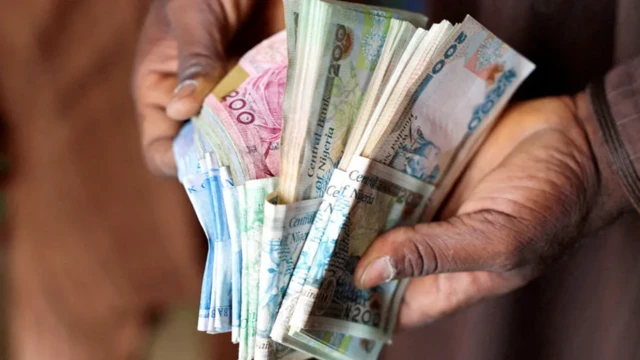
Despite say naira scarce, di kidnappers dey demand make dem pay dem ransom in cash as bank transfer dey easy to trace.
Na parent or relative of di kidnap victim dey usually deliver di payment, Sulaiman explain.
"Di bandit go call dem and give dem step-by-step directions on how to find dem for bush. Once dem reach dia, di bandit go count di moni, one by one."
Sometimes di bandits dey ask for motorcycles as part of di ransom payment, including alcohol and cigarettes.
Wen dem kidnap anoda close contact of Sulaiman from one university togeda wit oda students - bifor ransom payments become illegal - im say goment pay around $2,370 for each student freedom - though dem no eva confam am officially.
"Di goment no go eva gree say dem pay ransom [even den] becos for dem dat go mean say dem fail. But as insiders we sabi wetin happun and we bin no get dat kain moni," im tok.
Sulaiman become part of di negotiations and say di kidnappers bin first ask for $32,000 for each hostage and dem eventually price am down.
Dis days as dem leave villagers to pay di moni, na few pipo fit afford to raise di cash for ransoms.
Dem dey usually turn to beg pipo to help dem gada di moni, though dis too don dey become more difficult as insecurity don scata di economy.
No be new tin for bandits to either kill hostages or release dem wen dem no get hope of payment.
Sulaiman tink say dis plenty school kidnapping wey dey happun recently, and di threat to kill students, na style to take make authorities notice dem: "Dem tink say goment go pay."
Tori be say goment still dey pay ransom sometimes – though dem dey always deny am.
And President Bola Ahmed Tinubu don tok say "no dime" wey dem go ever pay for di children wey dem recently kidnap for Kuriga, plus give order about di security forces to make sure dem release dem.
Between July 2022 and June 2023, armed gangs demand more dan $6m in ransom payments, according to one report wey SBM Intelligence, one security risk consulting company do.
Di ransom negotiator agree wit di authorities say to continue to dey pay ransom go just continue to add fuel to kidnapping business: "Ransom payments dey encourage kidnapping. Di bandits just dey find moni."
But im sure say di heavy-handed approach of military force no be di answer: "If I fit advise goment, make dem meet dis pipo, discuss wit dem."
Until den, Sulaiman dey fear di next time wey im phone go ring, e go be anoda kidnapping case.
Determined to keep helping im community, im go answer di call for sure.